Operations behind enemy lines: how paratroopers of 7th Corps of Airborne Assault Forces are preparing "Chakluny" for strikes against enemy. PHOTOS
Crews from the 237th Separate Unmanned Systems Battalion of the 7th Rapid Reaction Corps of the Airborne Forces are systematically disrupting the enemy’s logistics in the Pokrovsk direction. Their task is to prevent the movement of enemy vehicles, stop them from bringing in artillery, and cut off supplies to the city.
This was reported by Censor.NET.
Details
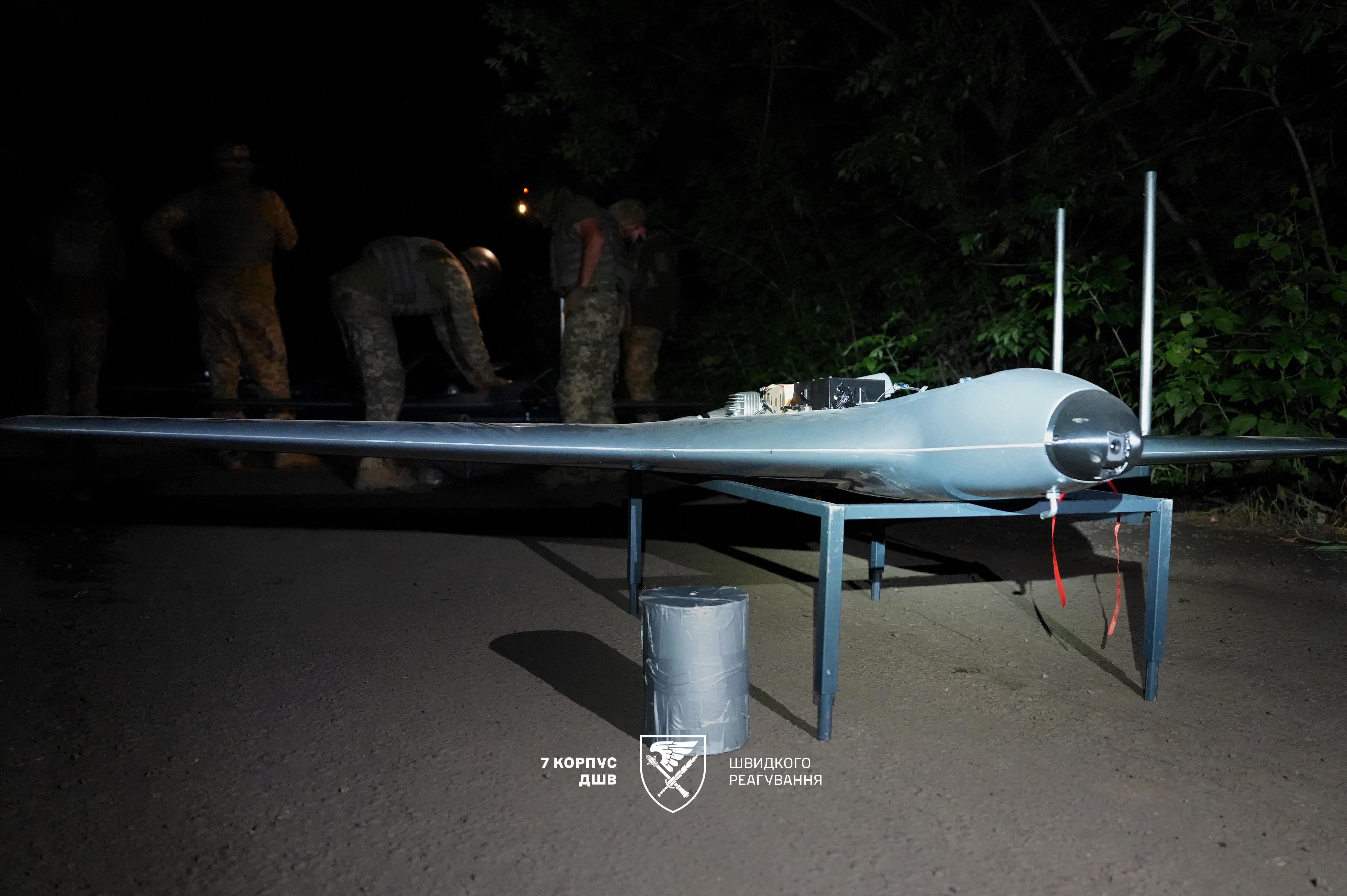
The battalion has already mastered the use of weapons capable of striking targets at ranges of 40–50 km and beyond. Depending on the type of target, they select ammunition weighing between 3 and 50–100 kg. The unit considers the domestically produced ‘Chaklun’ drone to be one of its most reliable and effective assets.
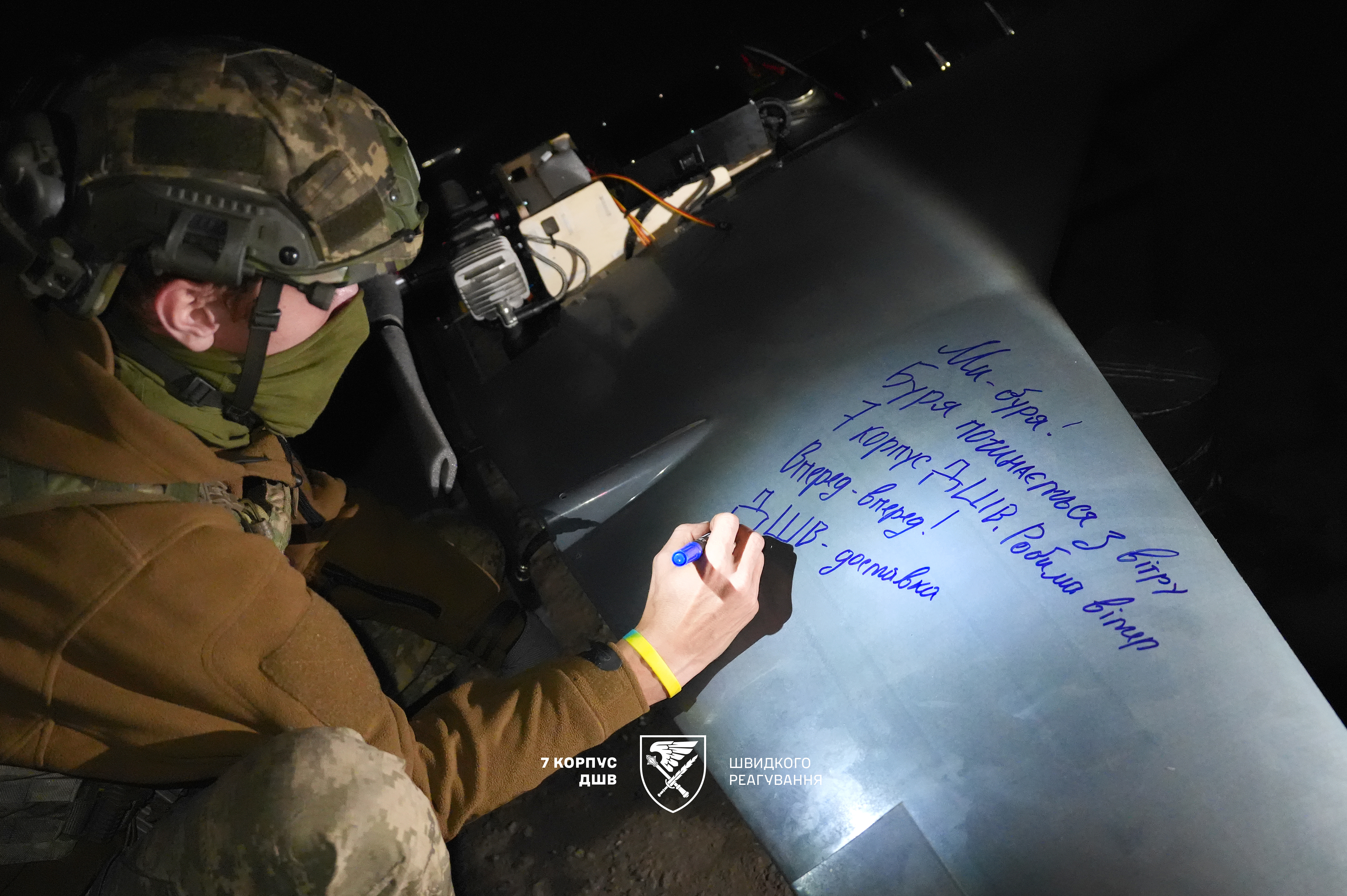
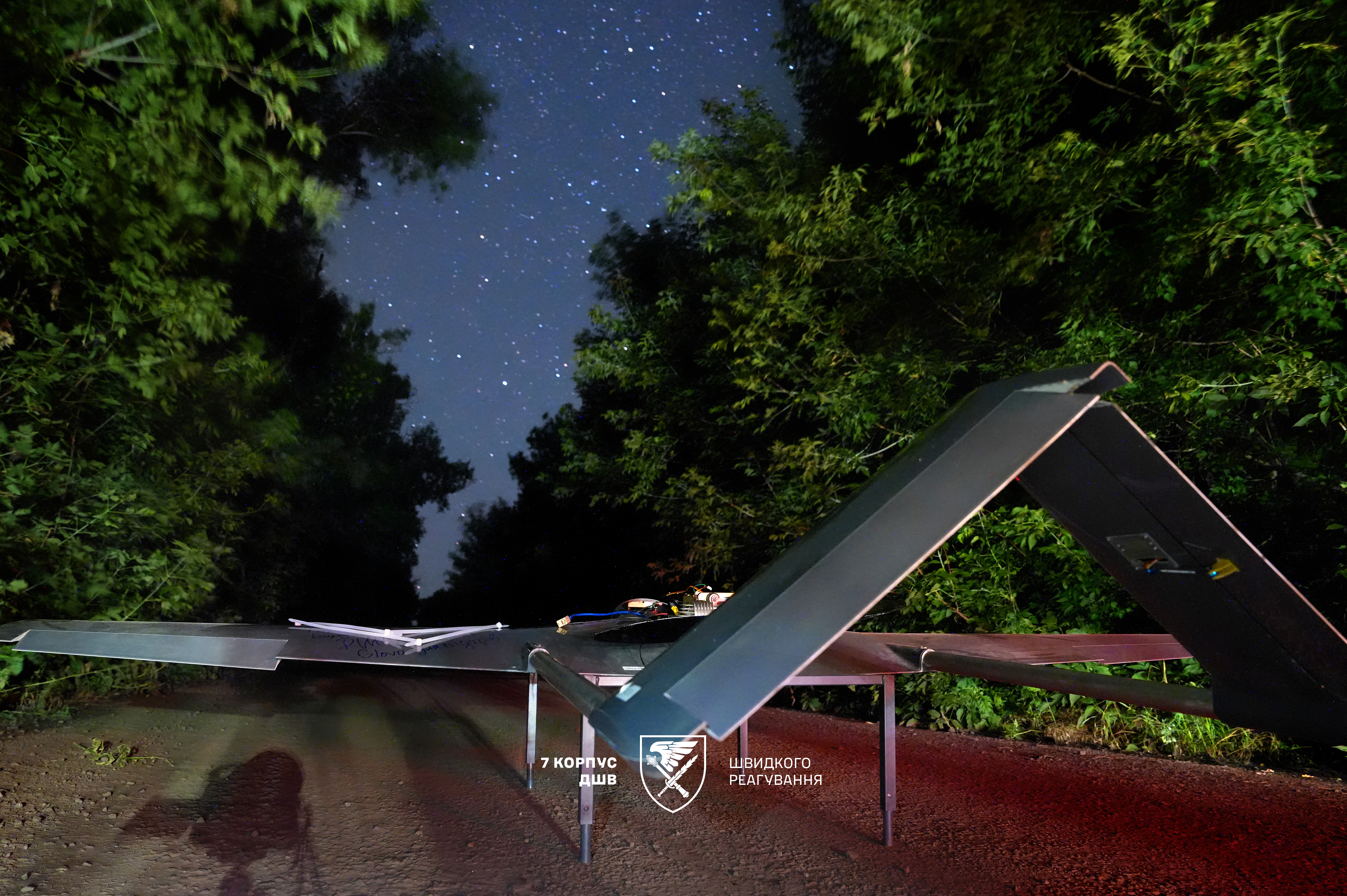
This drone is characterised by its compact size and manoeuvrability, making it a difficult target for the enemy to intercept: with a wingspan of 1,400 mm and a take-off weight of up to 3.6 kg, it is capable of covering distances of up to 120 kilometres. The ‘Chaklun’ has a cruising speed of 80–90 km/h, and its operational altitude allows it to carry out missions effectively deep behind enemy lines.


It is no surprise that the basic ‘Chaklun’ reconnaissance drone has evolved into a whole family of Ukrainian special-purpose unmanned aerial vehicles — ranging from interceptors to kamikaze strike drones.
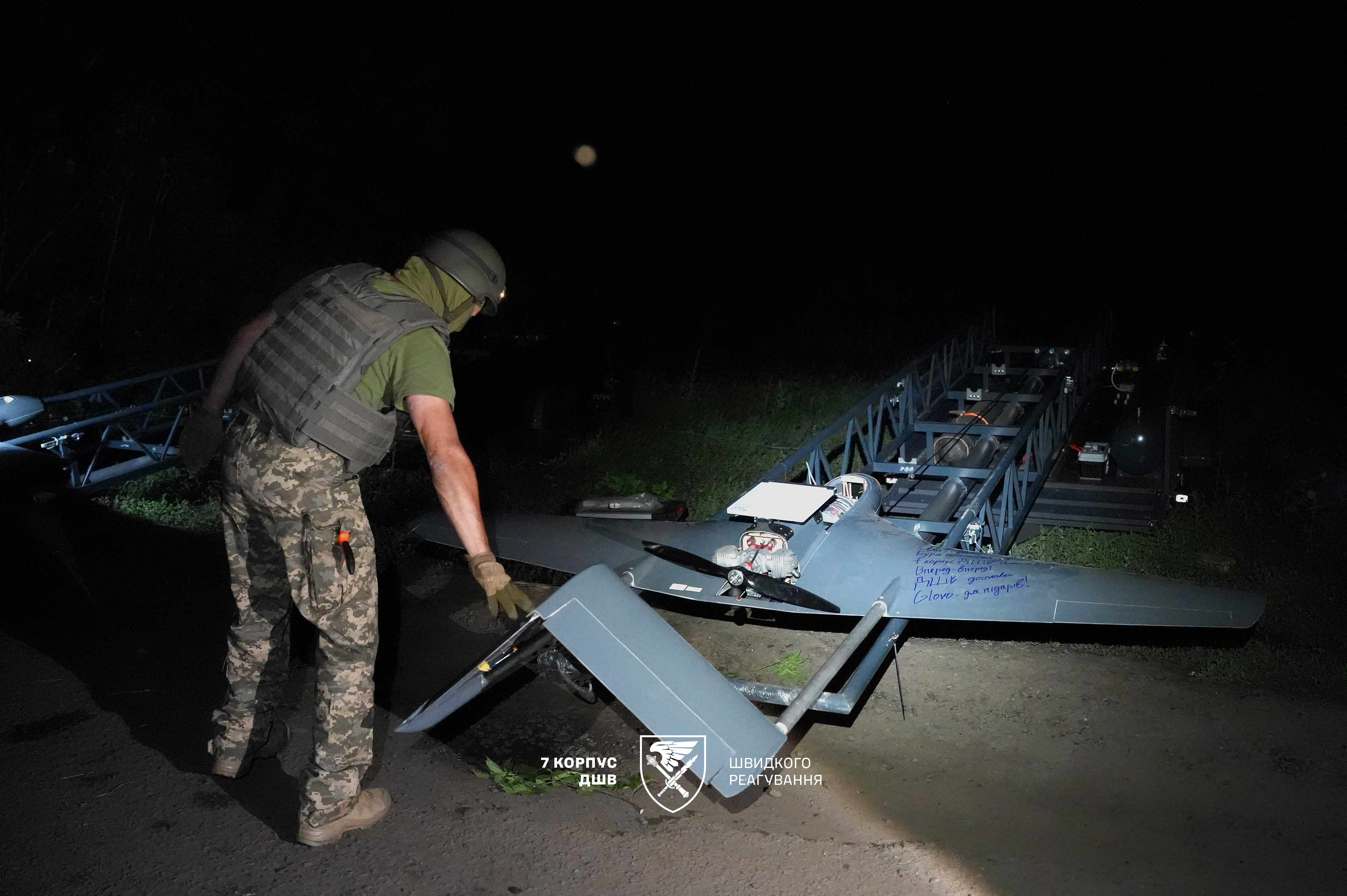
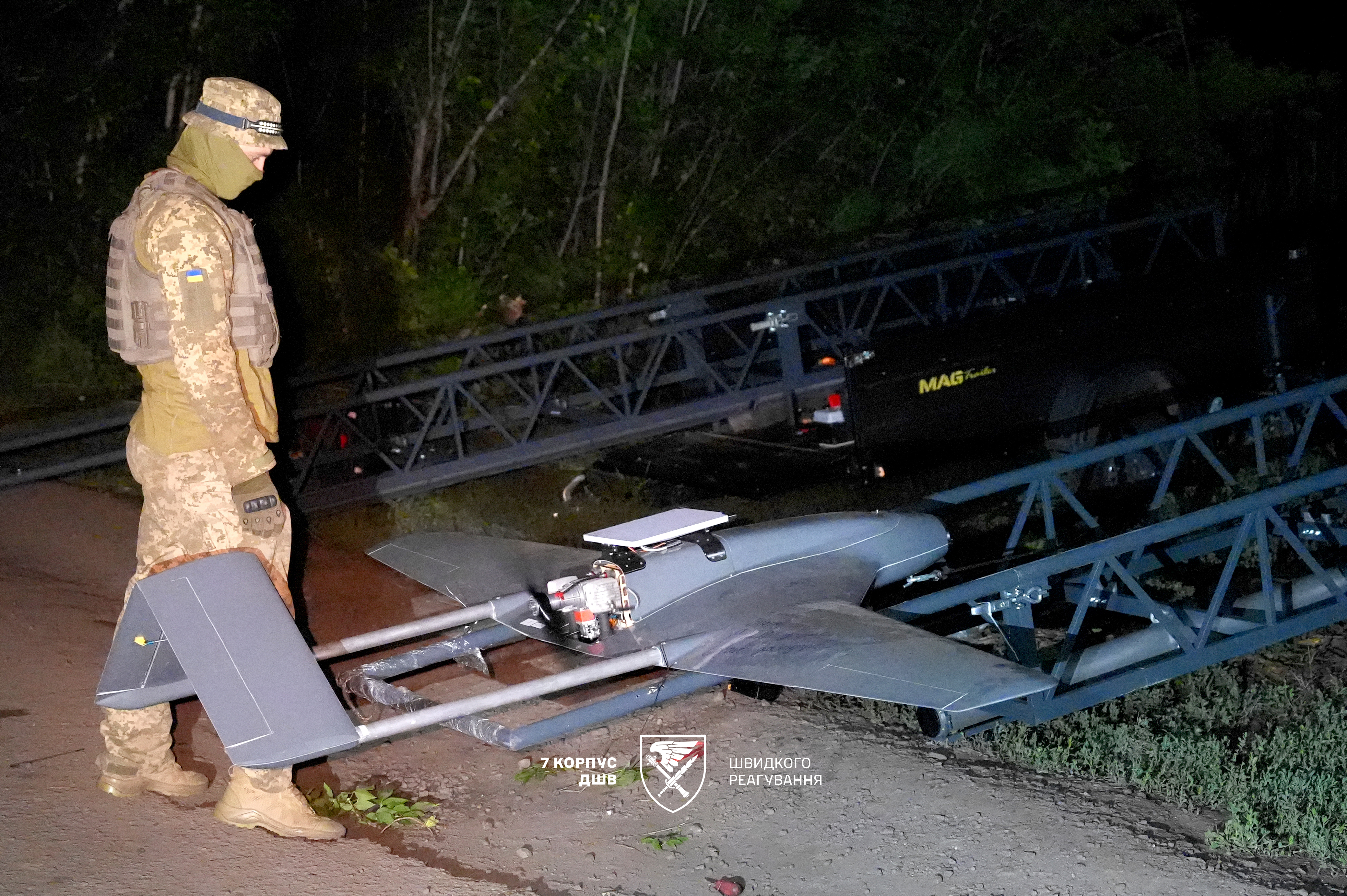
Field preparation of the drone is a well-defined process with clearly defined roles. At the take-off position, a specialist trio works alongside the drone: a sapper, a technician and an electronics specialist. At the control centre, the take-off process is coordinated by another trio: a pilot, a navigator and a platoon commander.
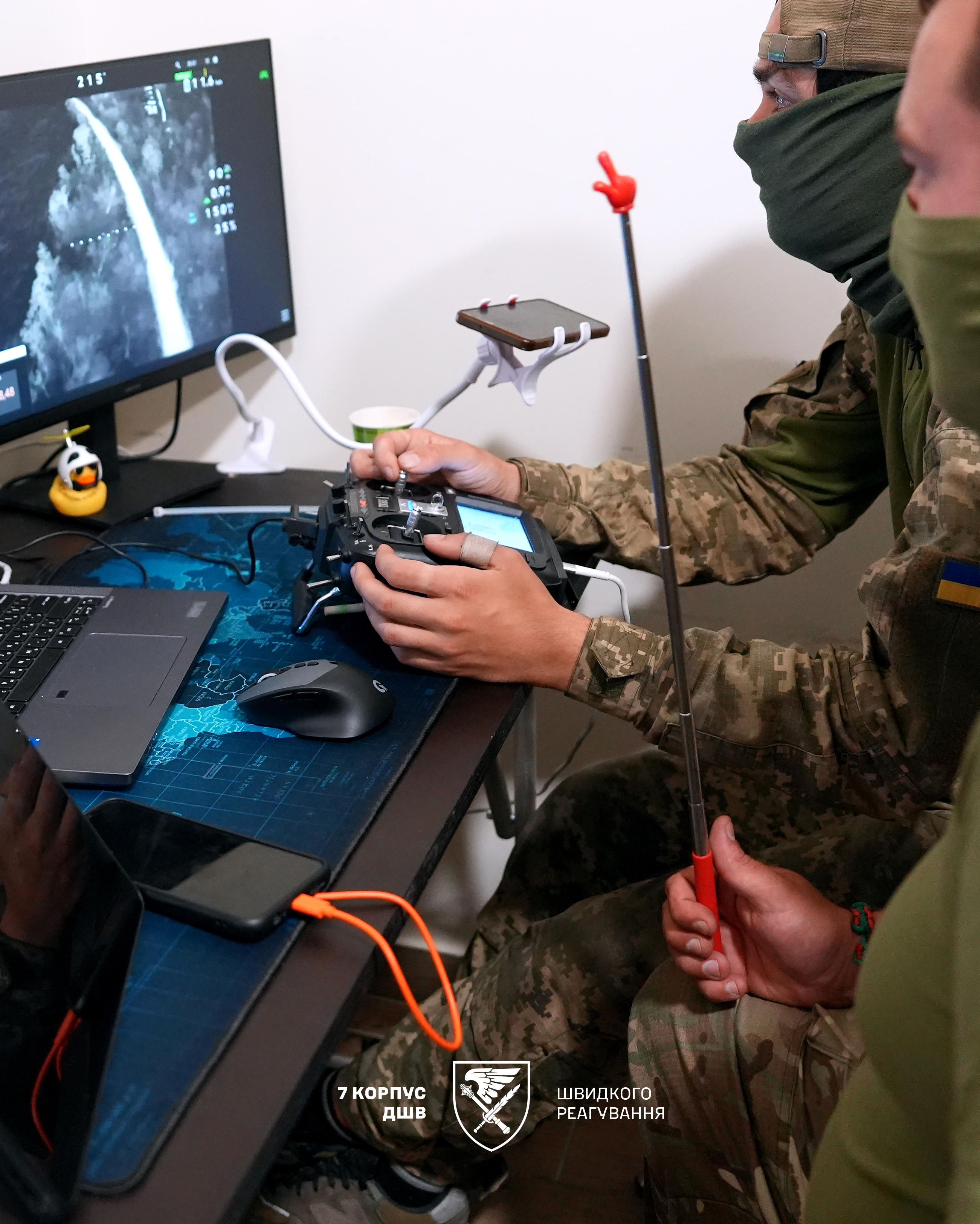
The drone does not take off straight out of the box — specialists thoroughly check the operational readiness of all systems, fit the batteries and prepare the propellant mixture.
Finally, the last stage: the engine is revved up to maximum speed for a test run. If the unit is performing correctly and communication with the pilot is stable, all that remains is to launch the drone from the catapult as standard.
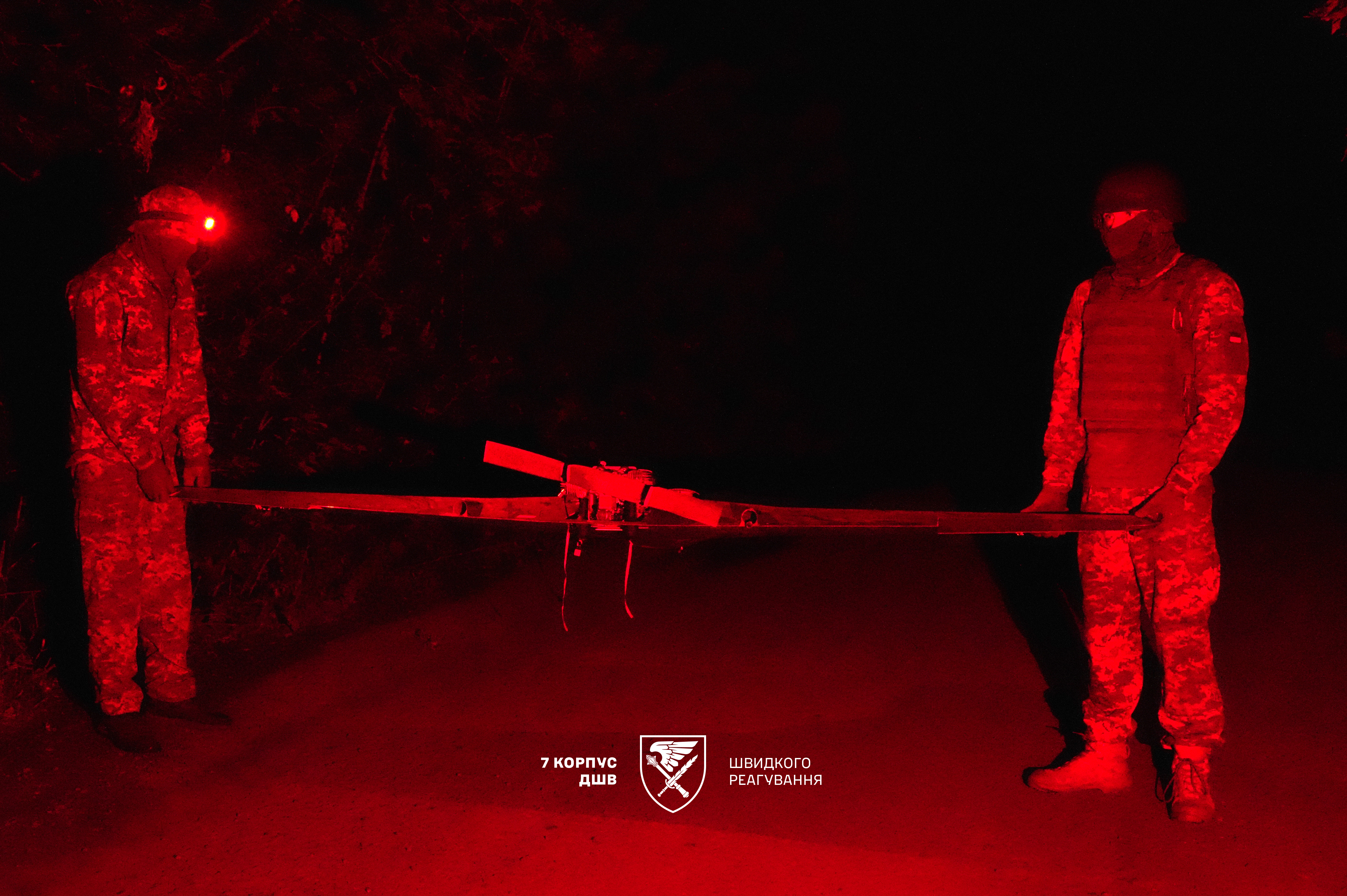

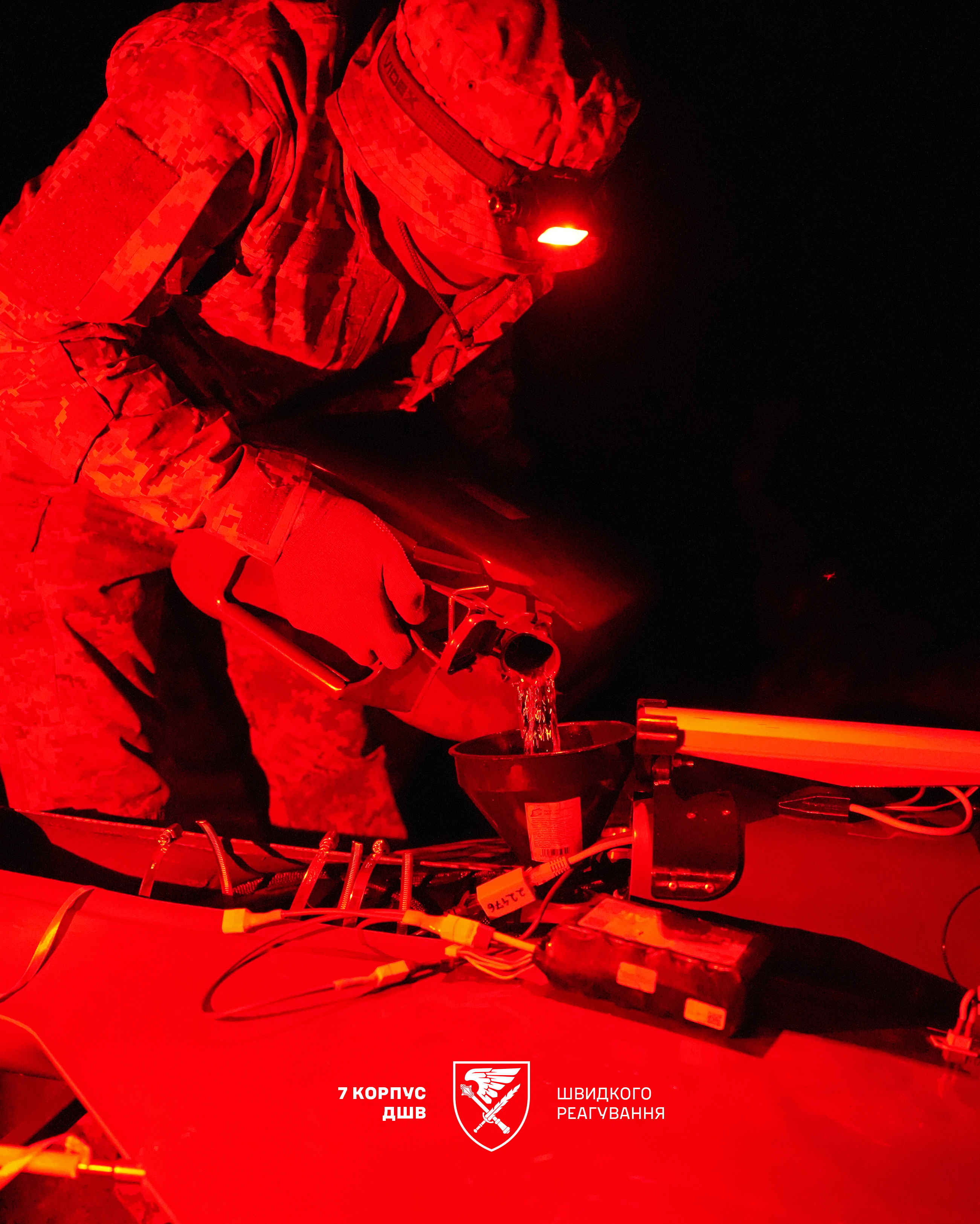
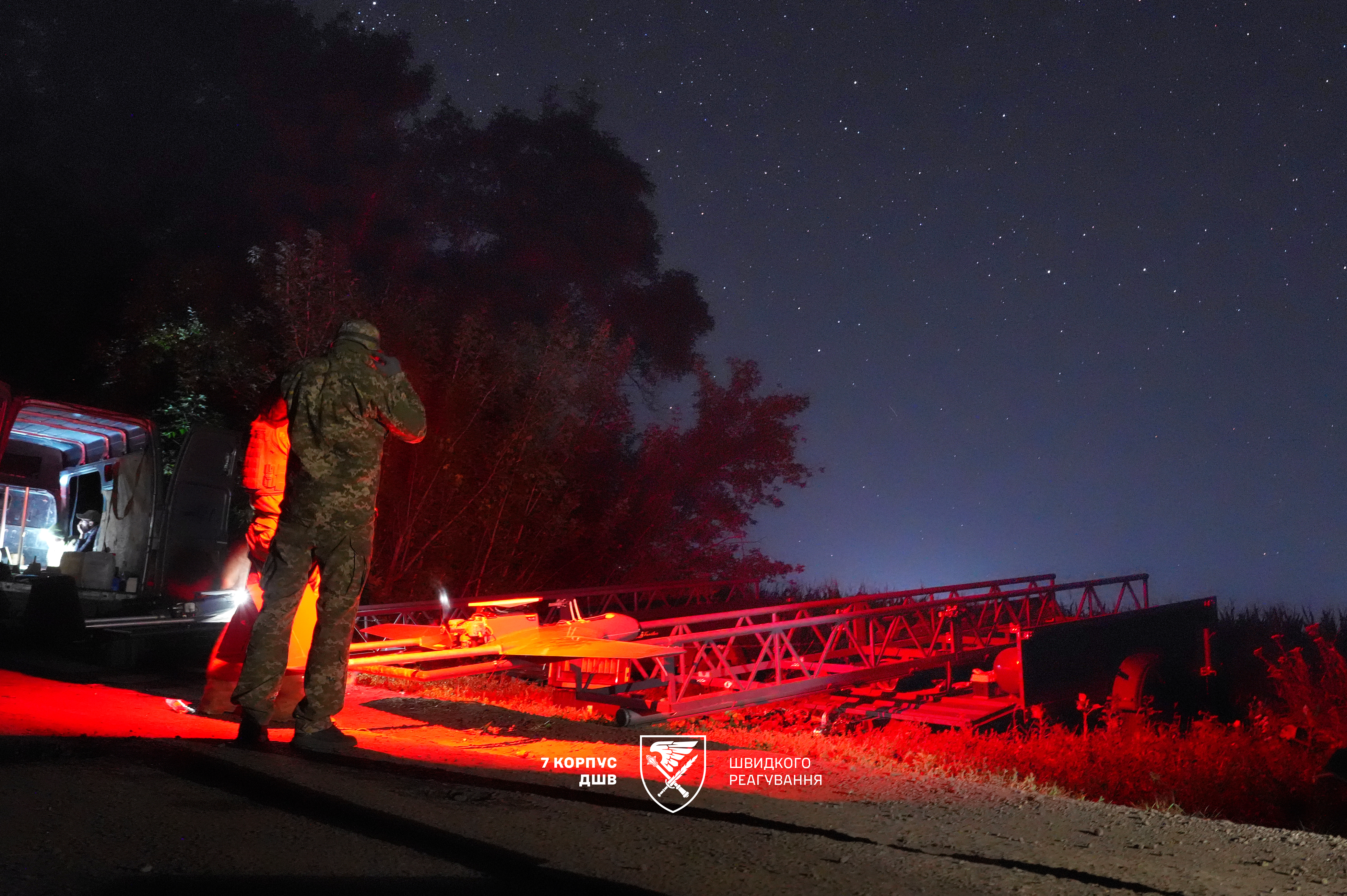
The main objective of such sorties is to target the enemy’s rear logistics. Today, the ‘Chaklun’ drones target not only secure deployment sites or ammunition depots, but also any supply vehicles: pick-up trucks, petrol tankers and lorries.
With the arrival of Ukrainian drones, the invaders are forced to go into hiding and travel less on the roads, as their vehicles are being destroyed through the joint efforts of paratroopers and allied units.
"They used to feel safer. That’s no longer the case — when they hear a drone, they immediately abandon their vehicles and run off, because they realise something is about to happen," says the platoon commander of the 237th Separate Battalion of the 7th Airborne Corps, "Kila".