



Russian agent group adjusting strikes on Defense Forces in three regions detained - SSU. PHOTOS
The Security Service’s counter-intelligence unit has exposed an FSB agent network that was adjusting Russian air strikes against the Defence Forces in the Donetsk, Dnipropetrovsk and Kirovohrad regions.
This was reported by Censor.NET, citing the SSU press centre.
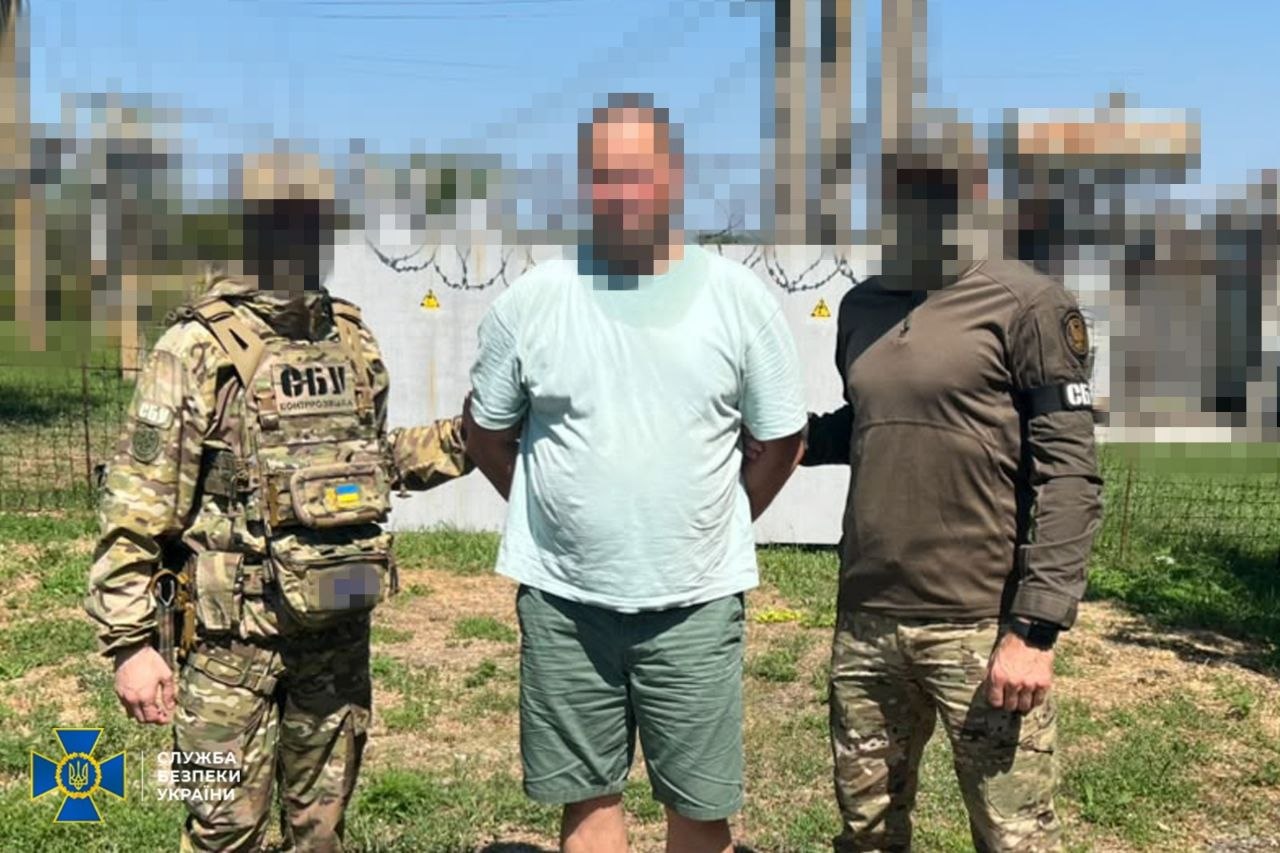
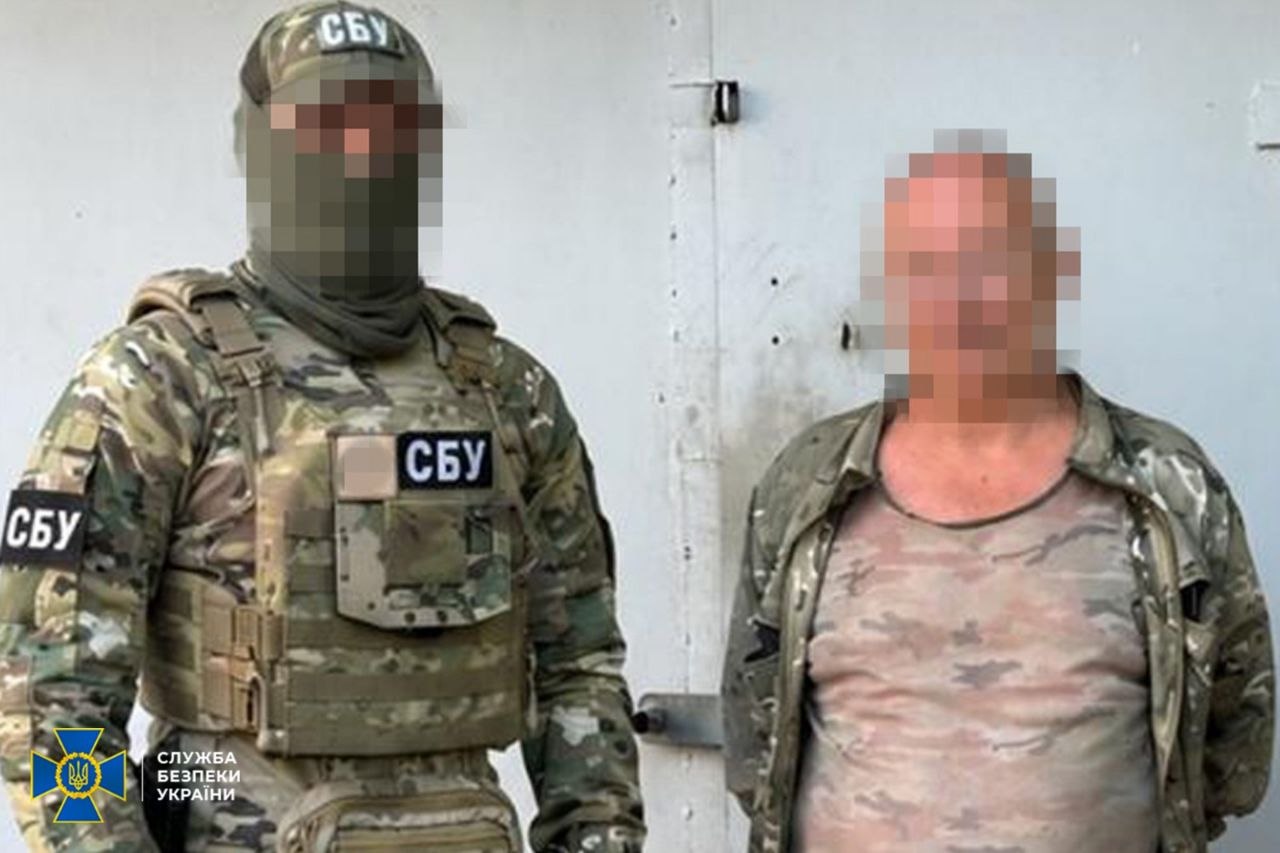
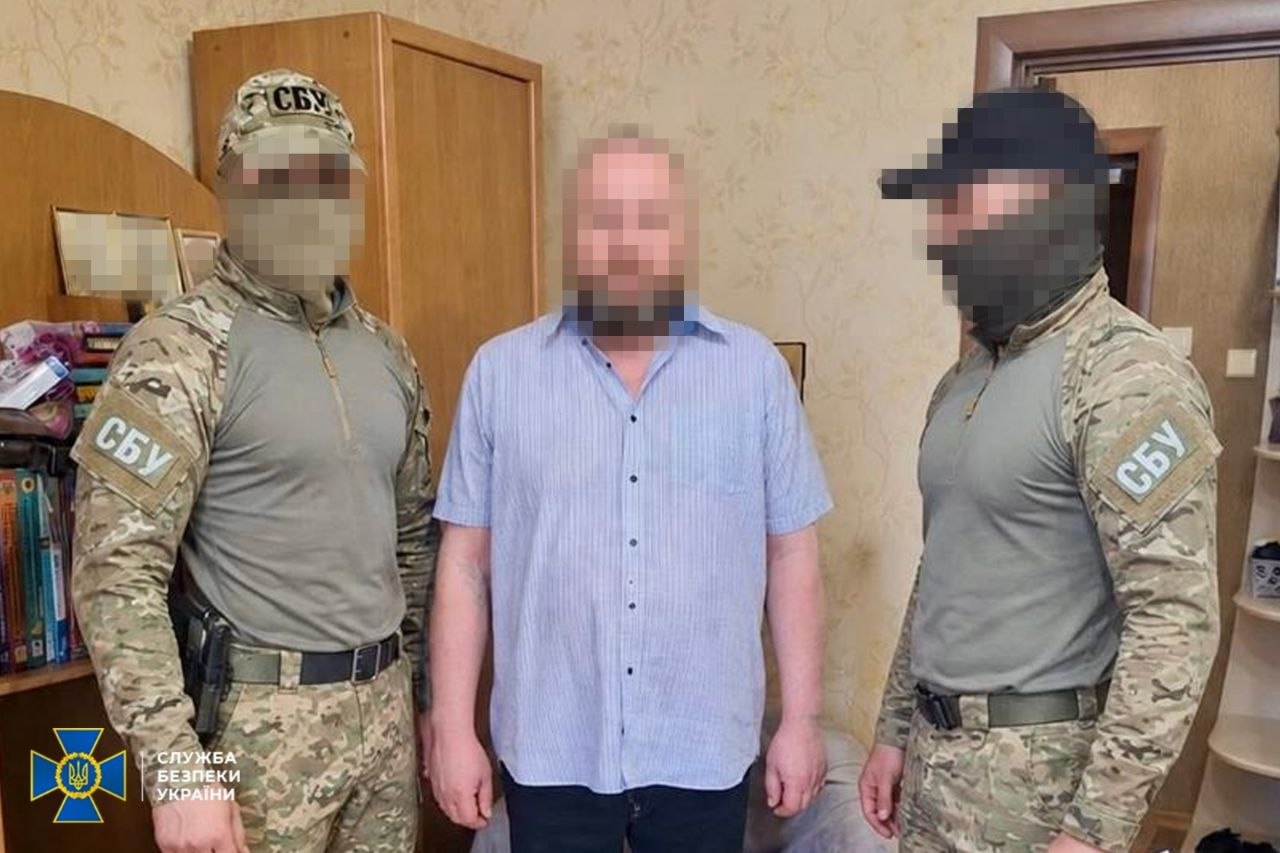
Following a multi-stage special operation, SSU officers simultaneously detained four enemy informants in the eastern and central regions of Ukraine.
The investigation revealed that the suspects operated independently of one another but were coordinated by a single handler based in the Russian Federation.

What targets were the traitors interested in?
It is reported that the enemy’s priority ‘targets’ were logistics depots containing the Defence Forces’ weapons and ammunition, as well as Ukrainian air defence combat positions.
In addition, the agents were gathering data on locations with the highest concentration of Ukrainian Armed Forces personnel and military equipment.
What is known about the traitors?
It has been established that the perpetrators came to the attention of the Russian special services when they posted anti-Ukrainian comments in the chat rooms of Telegram channels.
One of the network’s members turned out to be a former employee of a machine-building plant in Kramatorsk, who was gathering intelligence for the enemy on the geolocations of operational airfields and fortifications in the region.
Two other agents were ‘leaking’ the coordinates of Ukrainian military facilities in the Dnipropetrovsk region to the Russians. Among them were an employee of a municipal utility company from Kamianske and a deserter from Pavlohrad.
Also, in the Kirovohrad region, an unemployed man from Znamianka was detained; acting on instructions from the FSB, he had been patrolling the town and recording geolocations which, in his opinion, were being used by the Defence Forces.
"To maintain secrecy, the suspects passed intelligence to a Russian intelligence officer via an anonymous chat in a messaging app, and also deleted the correspondence after each communication session," the SSU explained.
Detentions and charges
- SSU officers uncovered the subversive activities of the enemy agents in good time, documented their crimes and detained all four participants.
- During searches of the detainees’ premises, mobile phones containing evidence of their work for the FSB were seized.
- Investigators from the Security Service informed the suspects that they were under suspicion under Part 2 of Article 111 of the Criminal Code of Ukraine (treason committed under martial law).
- The suspects are currently in custody. They face life imprisonment with confiscation of property.


