



State must be organised around veterans: Kim outlined priorities for veterans’ policy. PHOTO
Vitalii Kim, Minister for Veterans’ Affairs, outlined the priorities for veterans’ policy for 2026–2027.
He made the announcement during a speech at the 9th International Veterans’ Forum, according to Censor.NET.
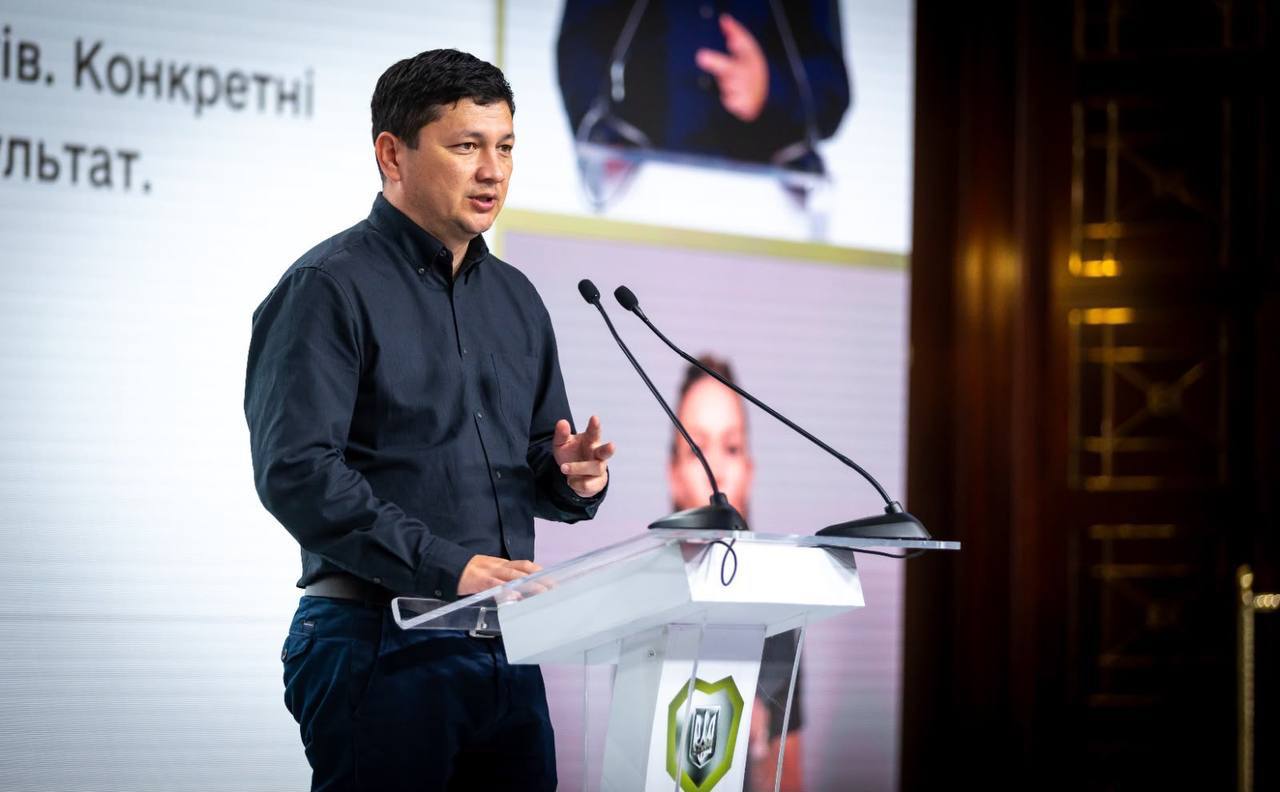
The state must be organised around veterans
Kim emphasised that the objectives of veterans’ policy have long been formulated by the veterans’ community itself. There are also specific tasks for the Government and defined targets that need to be met.
"Now the main thing is their implementation and tangible results for veterans, female veterans and their families.
My principle is this: the state must be organised around the veteran, rather than the veteran having to expend energy to organise the state around themselves and obtain the necessary support," he remarked.
Five priorities
According to the minister, five priorities have been identified:
- state support,
- honouring and remembrance,
- transition from military service to civilian life,
- health and recovery,
- economic independence and new opportunities.
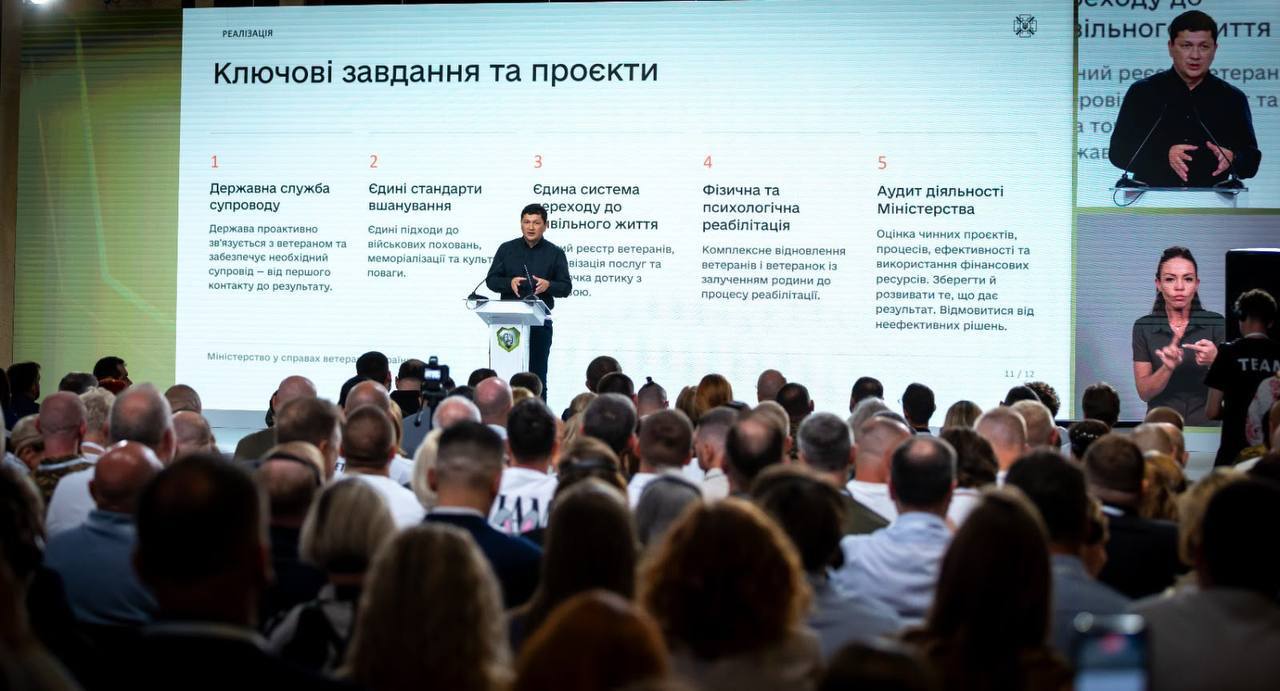
Kim added that key projects will be implemented under each of these priorities – with clear requirements for their implementation and performance indicators.
In addition, an audit of the Ministry of Veterans’ Affairs’ work is already underway in parallel: covering projects, processes and the effective use of funds.
"We will strengthen what delivers results. What exists merely for the sake of the process will be changed or discontinued," Kim emphasised.
Report – in a year’s time
The minister also stated that in a year’s time he would not be reporting on the number of events held or programmes launched, but would instead address the following questions: whether the foundations have been laid and the process of establishing the State Support Service has been set in motion; how many unnecessary certificates and procedures we have eliminated for veterans; how many more people, together with their families, have received high-quality rehabilitation and support; how indicators for employment, the development of veteran-run businesses, education and retraining have changed; whether commitments regarding housing have been fulfilled; and how much international support has been secured.
According to Kim, he sees "real results, not just for show": "The generation that defended Ukraine deserves a state that works for them every day. I want this very generation to be the one that changes Ukraine for the better."


