As Ukraine continues to address the needs of its veterans, several initiatives have been introduced to enhance their well-being. The Kyiv city administration announced an increase in compensation for veterans purchasing vehicles, extending the benefit to both new and used cars. Additionally, a significant project aims to provide long-term medical care and rehabilitation, supported by the Ministry of Health and the Ministry of Veterans Affairs. These initiatives are critical as veterans become integral to society, challenging the social security system. The government is also introducing veteran policy assistants within the Ministry of Internal Affairs to better address these needs. However, concerns remain about the readiness and efficiency of the veteran support structure. Continuous efforts in policy reform and social programs are essential.
What new compensation is Kyiv providing for veterans purchasing cars?
Kyiv has announced plans to increase financial compensation for veterans buying vehicles, covering both new and used cars. This is part of broader efforts to support veterans' integration into civilian life and enhance their mobility and independence.
What is the purpose of Ukraine's long-term medical care project for veterans?
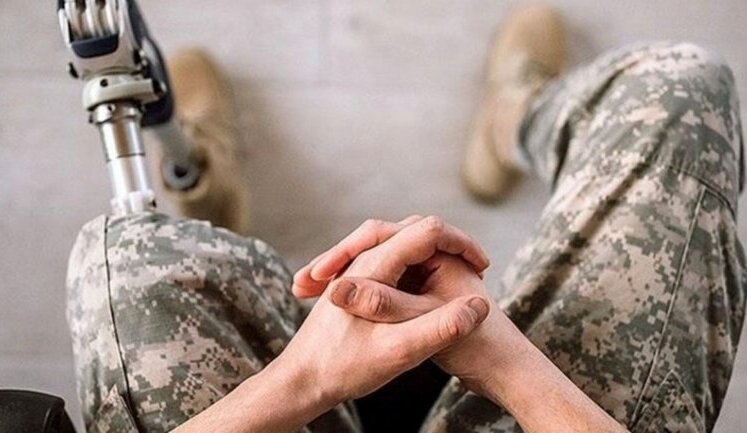
The long-term medical care project aims to offer continuous medical, psychological, and social support to veterans of the Russian-Ukrainian war. Jointly managed by the Ministry of Health, Veterans Affairs, and the National Health Service, it ensures that veterans receive the necessary rehabilitation and care for ongoing conditions.
How is the Ministry of Internal Affairs supporting veterans through policy changes?
The Ministry of Internal Affairs is introducing an institute of veteran policy assistants within its departments. These assistants will help implement and oversee policies tailored to the unique needs of veterans, ensuring they receive adequate support and resources.
What challenges does Ukraine face with the growing number of veterans?
Ukraine faces significant challenges as the number of veterans increases, particularly in integrating them into the workforce and addressing their social and medical needs. The current veteran support infrastructure is strained, and reforms are needed to improve resource allocation and policy implementation.
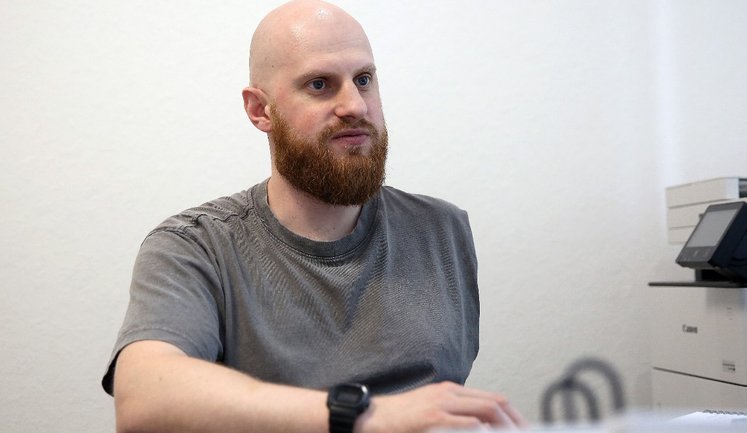
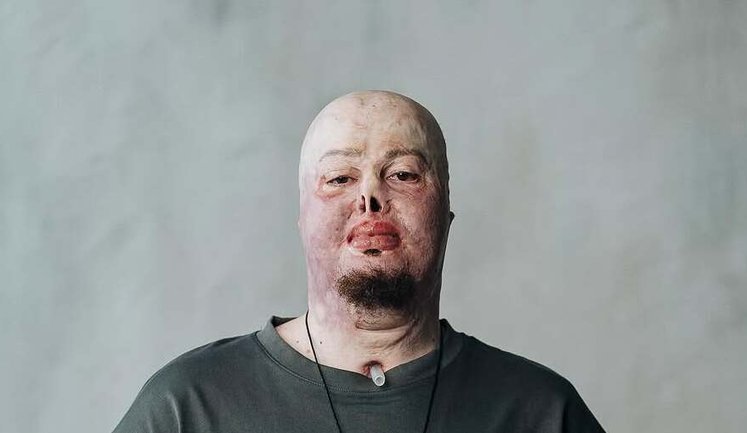
How does Yehor Babenko's story reflect the struggles and resilience of Ukrainian veterans?
Yehor Babenko, a war veteran who suffered severe burns, exemplifies the resilience of Ukrainian veterans. After extensive rehabilitation, he has transitioned to working as a military psychologist, providing vital mental health support to other veterans, showcasing the personal challenges they face and their capacity for recovery and contribution to society.