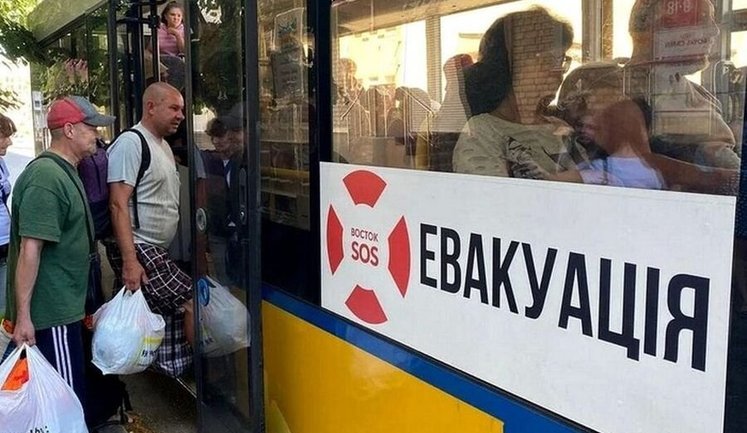
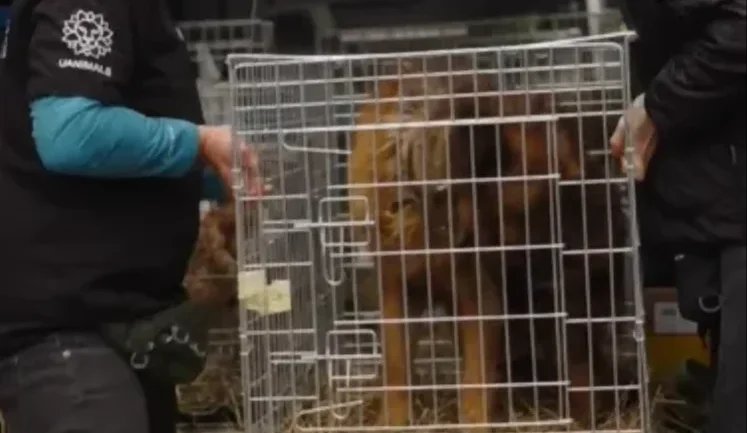
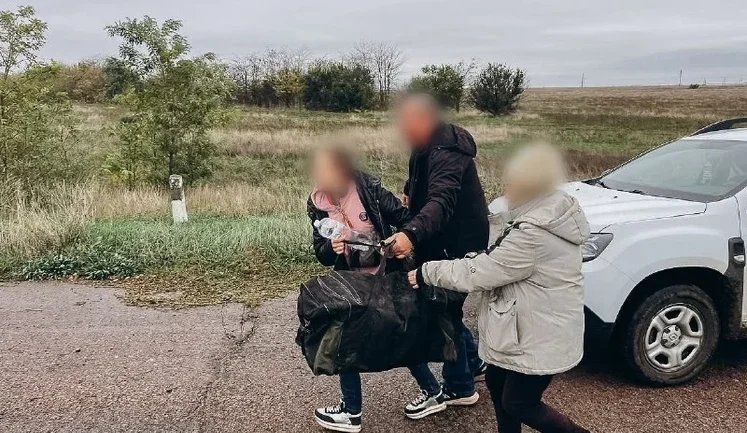
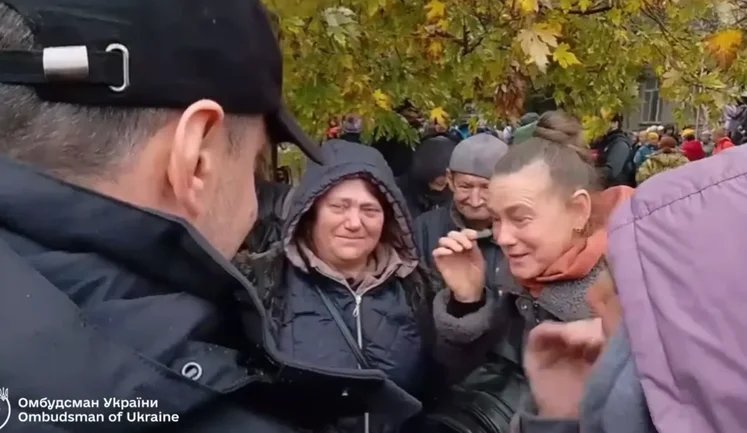
The town of Oleshky in Ukraine's Khersonska region has become a focal point amid ongoing tensions. Recently, a complex evacuation mission led to 105 animals being safely removed from Oleshky, highlighting urgent humanitarian challenges. Ukraine's strategy involves international cooperation, including notable partnerships with U.S. First Lady Melania Trump's team for future missions. Despite a temporary ceasefire, residents express concerns over unmet humanitarian needs. Meanwhile, Ukrainian authorities remain vigilant about Russian military activities under ceasefire cover. Efforts focus on ensuring aid reaches those in need and on facilitating safe evacuations. The ceasefire, initially successful in extending peace, faces scrutiny as potential military maneuvering by Russian forces threatens regional stability.
What were the main challenges during the evacuation of animals from Oleshky?
The evacuation of 105 animals from Oleshky faced significant hurdles, primarily due to the region's occupied status and ongoing military tensions. The operation required meticulous planning to navigate through these challenges, ensuring the safety of both the animals and team members involved. Some animals required immediate veterinary care, including surgical interventions, underscoring the operation's urgent humanitarian focus.
How is Melania Trump involved in Ukrainian humanitarian missions?
U.S. First Lady Melania Trump is actively engaging with Ukrainian initiatives to deliver humanitarian aid to occupied regions like Oleshky. Her involvement signifies international support and collaboration, providing both resources and political influence to bolster these missions. This partnership is anticipated to enhance the effectiveness and global visibility of Ukraine's humanitarian efforts in war-torn areas.
Why is Oleshky under a humanitarian ceasefire agreement?
Oleshky, situated in the conflict-sensitive Khersonska region, is currently under a humanitarian ceasefire to facilitate aid delivery and evacuation processes. This temporary agreement seeks to provide relief amid hostilities, allowing safe passage for civilians and essential supplies. The ceasefire aims to mitigate humanitarian crises while monitoring military activities to prevent strategic exploitation by opposing forces.
What are the risks associated with the humanitarian ceasefire in Oleshky?
While the humanitarian ceasefire in Oleshky aims to facilitate aid and evacuation, it presents risks by potentially providing cover for military movements. Reports indicate Russian forces might exploit these conditions to reposition or reinforce their presence, challenging the ceasefire's integrity. Continuous monitoring is crucial to prevent any escalation or misuse of the humanitarian pause for strategic military advantages.
How are residents of Oleshky affected by the current humanitarian missions?
The residents of Oleshky experience mixed outcomes from the current humanitarian missions. While the ceasefire allows for aid flow and the evacuation of those in need, some residents report discrepancies in receiving assistance. Limited resources reach them, raising concerns over the mission's adequacy in meeting their needs. Continuous assessment and response adaptations are necessary to address these challenges effectively.
What future steps are planned for humanitarian missions in Oleshky?
Future plans for humanitarian missions in Oleshky include strengthening international cooperation and improving logistical frameworks to ensure efficient aid delivery and evacuation processes. Engaging global partners like Melania Trump aims to enhance resource mobilization and diplomatic leverage. These missions will be calibrated to address emerging needs, emphasizing security and efficiency in aiding civilians under occupation.