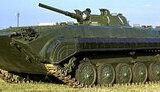
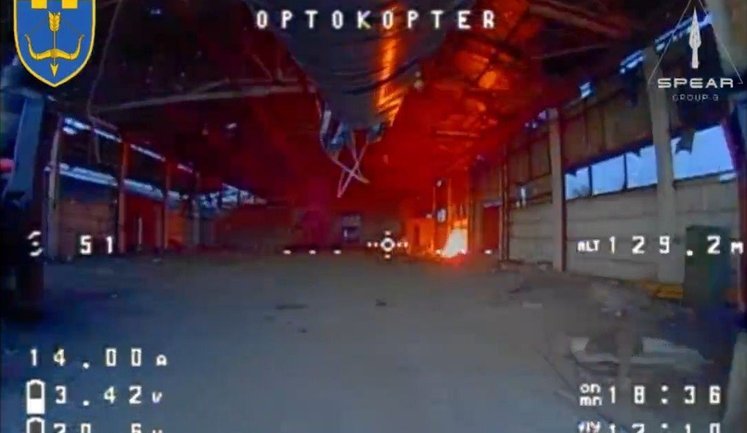
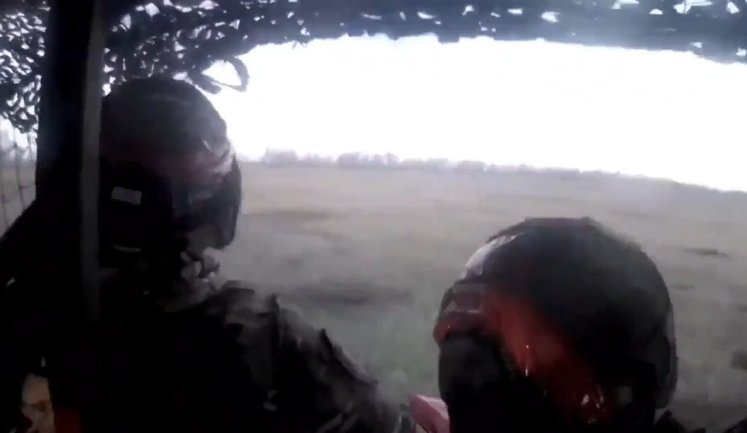
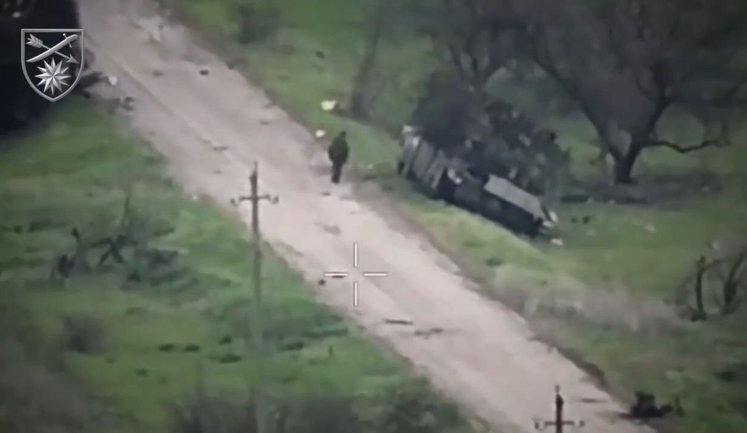
This year's news prominently highlights the ongoing strategic operations involving Infantry Fighting Vehicles (IFVs) deployed across Ukraine. Notably, drone operators from various Ukrainian brigades have showcased effective tactics by targeting and destroying enemy IFVs, significantly impacting the conflict dynamics. For instance, the 118th Brigade of Territorial Defence achieved a major feat by obliterating a hangar storing enemy IFVs, hindering an impending assault. Furthermore, new IFV models like the Lynx KF41 are expected to bolster Ukraine's defense capabilities. Reports also highlight successful defensive actions by Ukrainian forces across several regions, showcasing their resilience and strategic advancements in modern warfare.
What is the significance of IFVs in the Ukrainian conflict?
IFVs, or Infantry Fighting Vehicles, play a crucial role in mobile infantry operations. In the Ukrainian conflict, they provide additional armor and firepower, critical for both offensive maneuvers and defensive holdings against enemy forces.
How have Ukrainian forces been utilizing drones against IFVs?
Ukrainian forces have effectively used drones to target and destroy enemy IFVs. This strategy involves precision strikes that disable key military assets, allowing Ukraine to defend strategic positions and disrupt enemy advances.
What impact have foreign-made IFVs had on the Ukrainian military?
The delivery of foreign-made IFVs, such as the German Lynx KF41 and upcoming Marder vehicles, enhances Ukraine’s operational capabilities. These vehicles provide advanced armor and technology, offering a strategic advantage over older models used by adversaries.
How do IFVs contribute to combat readiness in Ukraine?
IFVs contribute significantly to Ukraine’s combat readiness by offering mobility, protection, and fire support to ground troops. Their deployment in various sectors aids in executing coordinated attacks and defending critical territories effectively.
What challenges do Ukrainian forces face with regard to IFV deployment?
Challenges include targeting by enemy forces, the need for skilled operators, and maintenance logistics in the field. Additionally, integrating new models requires training to maximize their operational potential and ensure seamless incorporation into existing strategies.