The world of shipping sees significant geopolitical impacts with the extension of the US ban on Russian vessels entering American ports. Meanwhile, international discussions, including the United States, Ukraine, and Russia, aim to ensure safe navigation in the Black Sea, marking an important stride in maritime cooperation. Recent detentions highlight ongoing tensions over the export of stolen grain, with Ukraine confronting illegal activities in the Odesa region. Notably, these efforts coincide with NATO's potential expansion of protective measures for civilian shipping in the Black Sea, a crucial step given the maritime threats posed by surface drones. This period marks a turning point for the safety and security of shipping routes crucial to international trade.
What recent US policy affects Russian shipping?
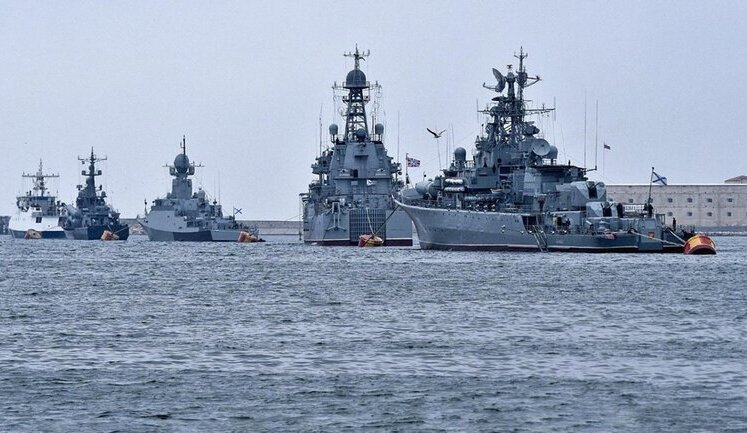
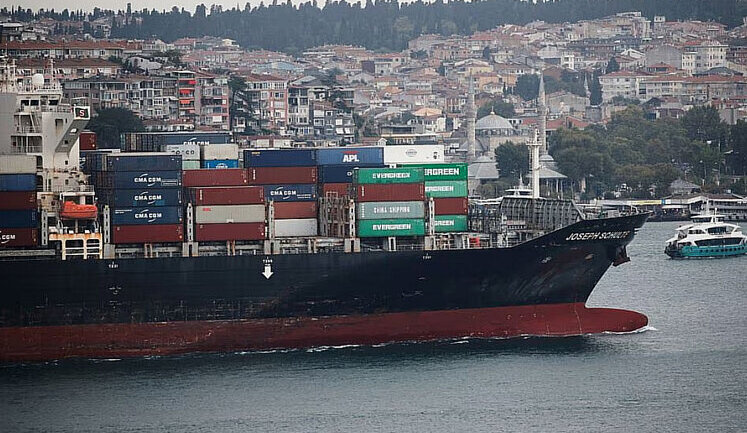
US President Donald Trump extended a ban affecting Russian vessels by prohibiting their entry into US ports for another year. This measure underscores ongoing geopolitical tensions between the United States and Russia, particularly concerning shipping and port entry regulations.
How are US-Ukraine-Russia relations impacting shipping?
The United States, Ukraine, and Russia have reached an agreement to ensure safe navigation in the Black Sea and to prevent attacks on energy infrastructure. This agreement marks a significant diplomatic effort to maintain maritime safety despite broader geopolitical conflicts.
What actions has Ukraine taken against illegal shipping activities?
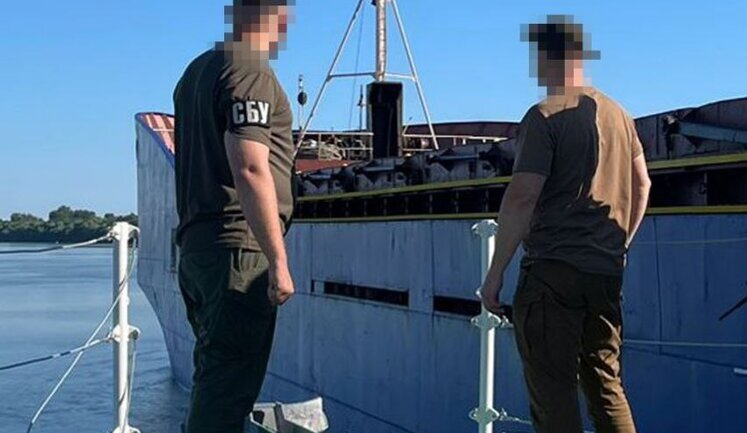
Ukraine's Security Service has detained a foreign cargo vessel and its captain for transporting stolen Ukrainian grain under the direction of Russia. This action highlights Ukraine's efforts to combat illegal shipping activities and protect its resources.
What challenges are civilian ships facing in the Black Sea?
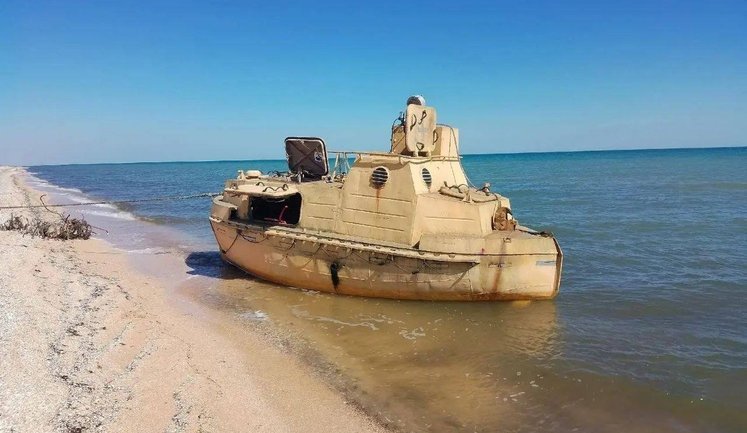
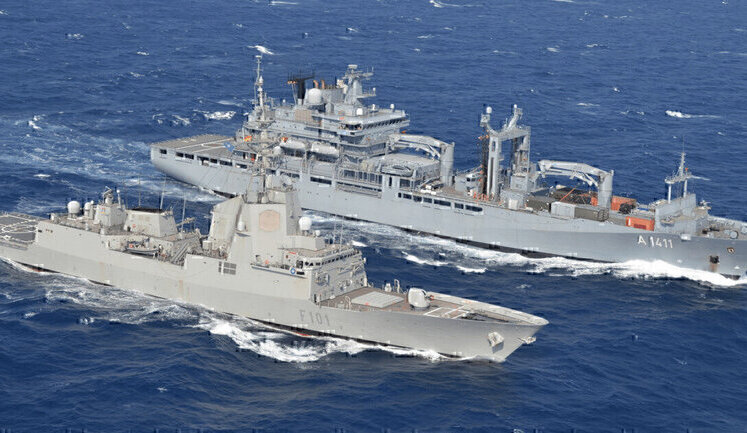
Civilian ships in the Black Sea face threats from Russian maritime surface drones, which pose significant risks to free and safe passage. Efforts are being made to secure these vital shipping routes against such maritime threats.
Why did Japanese companies refuse to insure ships in Russian waters?
Japanese companies have deemed it too dangerous to insure ships operating in Russian waters due to the ongoing war and associated risks. This decision reflects a broader hesitance within the global insurance market to engage with regions under geopolitical tension.