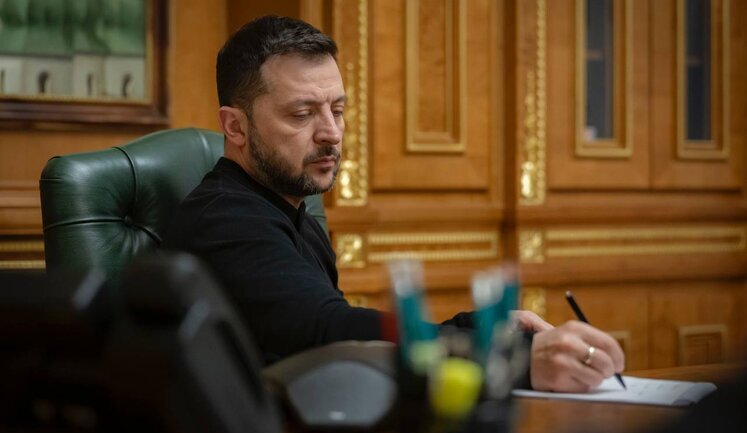
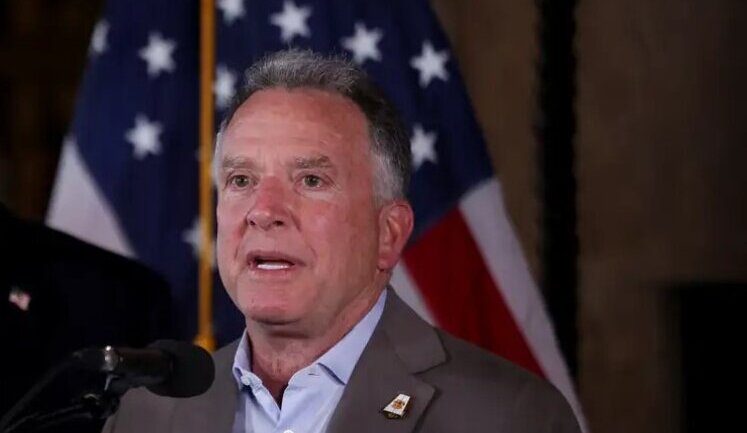
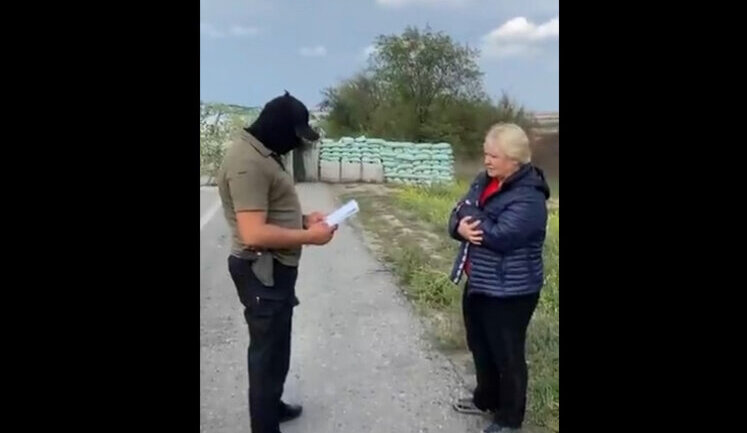
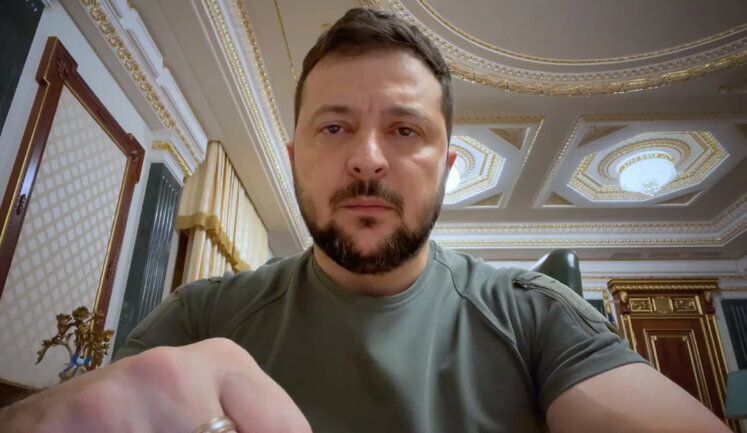
The concept of pseudo-referendums comes under intense scrutiny as international voices rally against the unauthorized votes Russia holds in occupied Ukrainian territories. Ukraine's security services have arrested individuals linked to organizing these fraudulent referendums, highlighting the quest to maintain territorial integrity. Western leaders, including Ukraine’s Zelenskyy and foreign allies, condemn such acts, asserting these referendums as illegitimate under international law. EU and NATO reaffirm their non-recognition policies, promising sanctions to deter these illegal actions. As global condemnation mounts, Ukraine's strategic goals remain firmly focused on reclaiming occupied lands and securing global support.
What are pseudo-referendums and why are they controversial?
Pseudo-referendums refer to illegitimately organized votes, often under duress or manipulation, held by occupying forces like those conducted by Russia in Ukrainian territories. They're controversial because they violate international norms, lack genuine voter consent and are used as tools for unjust territorial claims, undermining state sovereignty.
How does Ukraine respond to pseudo-referendums by Russia?
Ukraine strongly opposes pseudo-referendums, viewing them as illegal and deceitful attempts by Russia to annex Ukrainian lands. The Ukrainian government pursues legal actions against organizers and appeals for international support and sanctions against Russia to invalidate these acts and protect its territorial sovereignty.
What actions have been taken by international bodies against these referendums?
International bodies like the EU, NATO, and the UN have denounced Russia’s pseudo-referendums as illegitimate. They've imposed sanctions targeting individuals and entities involved, asserting these actions violate international law. Furthermore, international diplomacy seeks to isolate Russia politically and economically to deter further aggression.
What impact do pseudo-referendums have on Ukrainian society and politics?
Pseudo-referendums disrupt Ukrainian society by destabilizing communities in occupied areas and undermining national government authority. Politically, they force Ukraine to focus on international advocacy to reinforce support for its sovereignty and territorial integrity, while internally enhancing security measures to counter occupation efforts.
How do pseudo-referendums influence global geopolitical strategies?
Pseudo-referendums influence global geopolitical strategies by increasing tensions between Russia and Western allies, prompting strategic military and diplomatic responses. They contribute to a complex dynamic of power, where nations adjust their defense postures and alliances, aiming to curb expansionist threats and maintain international order and legality.
Why is it important for the international community to react to pseudo-referendums?
The international community's reaction to pseudo-referendums is crucial to uphold the principles of sovereignty, integrity, and international law. Without decisive action, illegitimate territorial claims may set dangerous precedents, encouraging further breaches, threatening global stability, and undermining justice and peace globally.