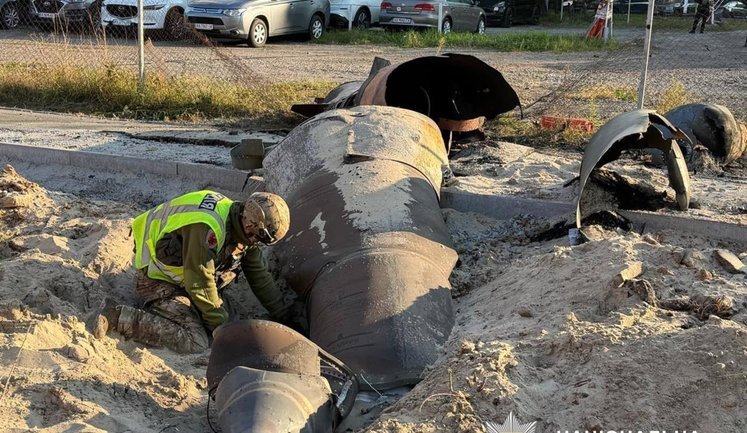
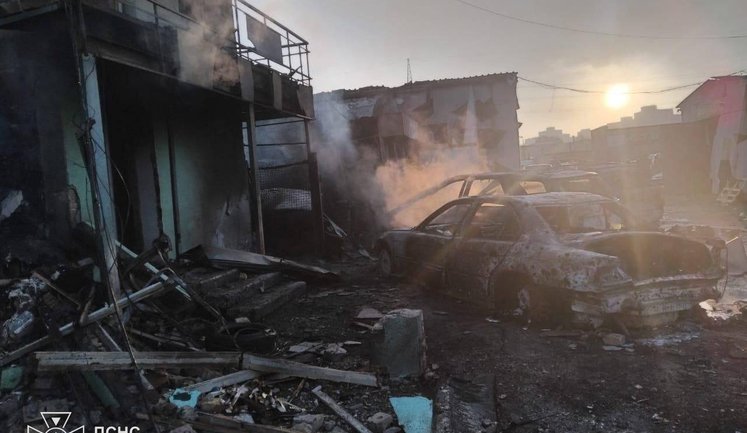
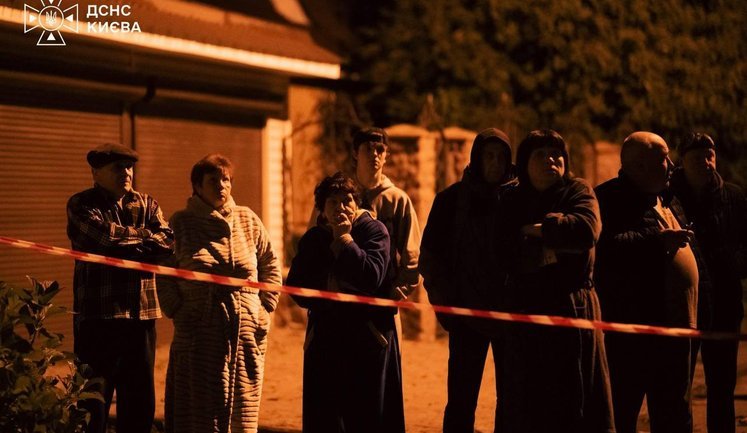
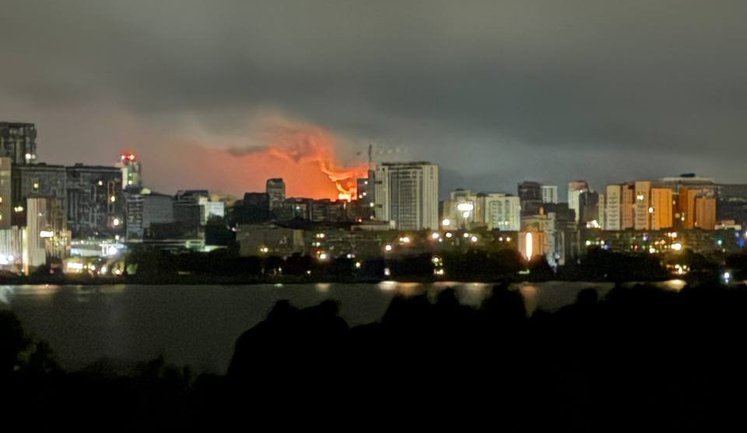
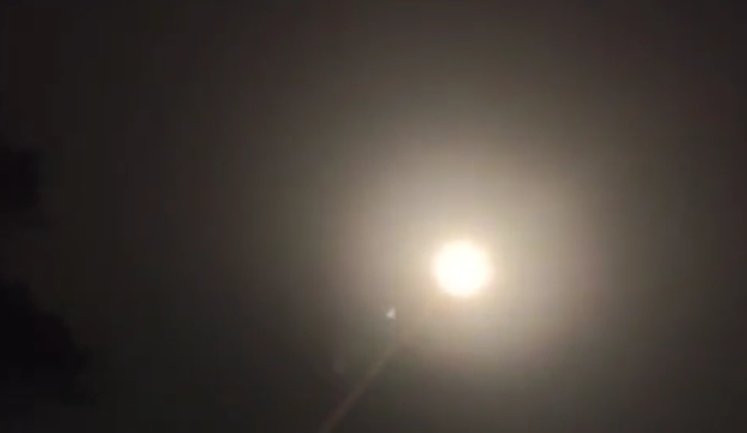
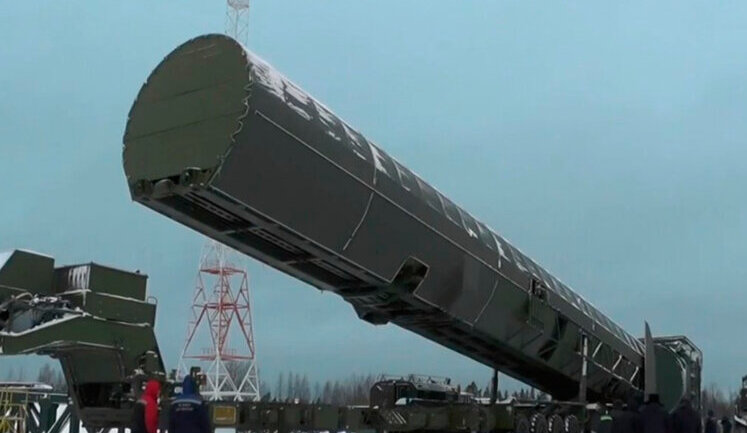
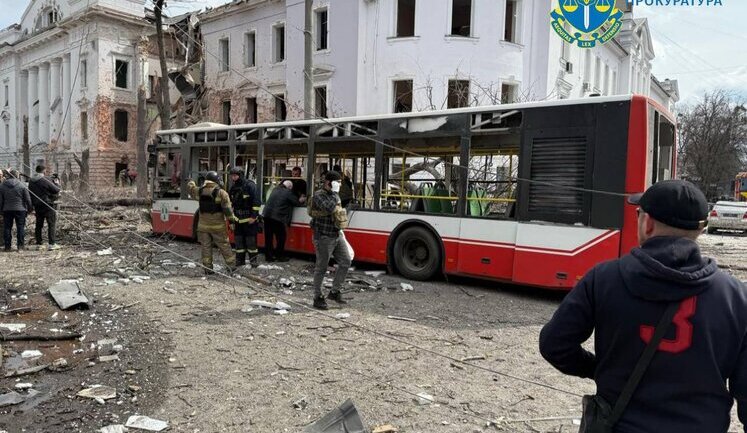
Ballistic missiles, particularly the Iskander-M and S-400, have been a key component of Russia's ongoing military aggression towards Ukraine. With attacks on critical infrastructure and civilian areas in cities like Kyiv and Poltava, these missiles pose a significant threat. Ukrainian air defense systems have been partially successful, intercepting some of these threats, but the frequent and targeted nature of these strikes continues to challenge Ukraine's defense capabilities. The international community remains concerned about the proliferation of missile attacks and their devastating impact on Ukrainian society.
What recent ballistic missile attacks has Ukraine faced?
Ukraine has faced numerous ballistic missile attacks from Russia, with significant recent strikes occurring in regions such as Kyiv and Poltava. These attacks often involve the use of Iskander-M and S-400 missiles, causing both infrastructural damage and casualties, while challenging Ukraine’s defense systems.
How has Ukraine responded to the ballistic missile threat?
Ukraine has bolstered its air defense systems, including Patriot missiles, to intercept and neutralize threats. While some missiles have been successfully destroyed, the high frequency and evolving tactics of Russian attacks make comprehensive defense challenging.
What is the international response to Russia's missile attacks on Ukraine?
The international community, including NATO and EU countries, has condemned Russia's ballistic missile attacks on Ukraine. Various nations have provided Ukraine with military support, including defensive weaponry and technological assistance, to enhance its defensive capabilities.
What measures has Ukraine taken to protect its cities against ballistic missiles?
Ukraine has implemented measures such as reinforced air defense systems, early warning alerts, and strategic deployment of defense units around key cities. Furthermore, Ukraine is cooperating with its allies to improve its missile interception technologies.
What are the implications of these missile attacks on Ukraine's civilian population?
Ballistic missile attacks have severe implications, including civilian casualties, psychological stress, and displacement. Infrastructure damage has disrupted daily life, impacting water, electricity, and medical services, thereby exacerbating humanitarian concerns.
How are air defense systems performing against ballistic missile threats in Ukraine?
Air defense systems in Ukraine have been partially successful, managing to intercept a significant portion of incoming ballistic and strike drones. However, the sheer volume and unpredictability of attacks pose ongoing challenges to these systems.
What are the latest ballistic missile types used by Russia in the conflict?
Russia has employed Iskander-M and S-400 ballistic missiles, along with Onyx and Zircon missiles. These missiles are known for their destructive capability, posing serious threats to Ukrainian military and civilian targets.