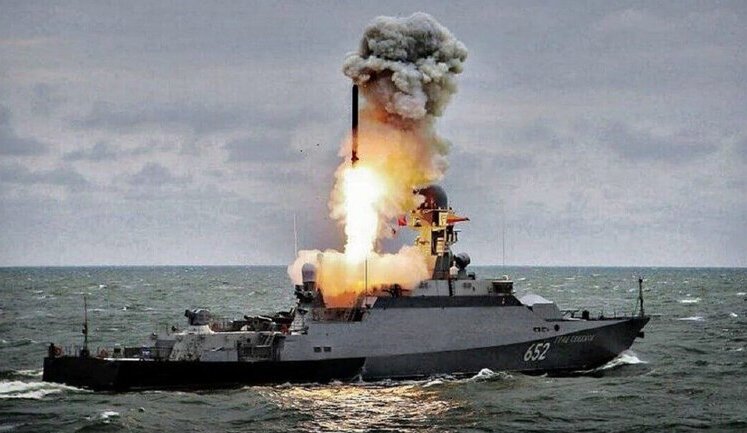
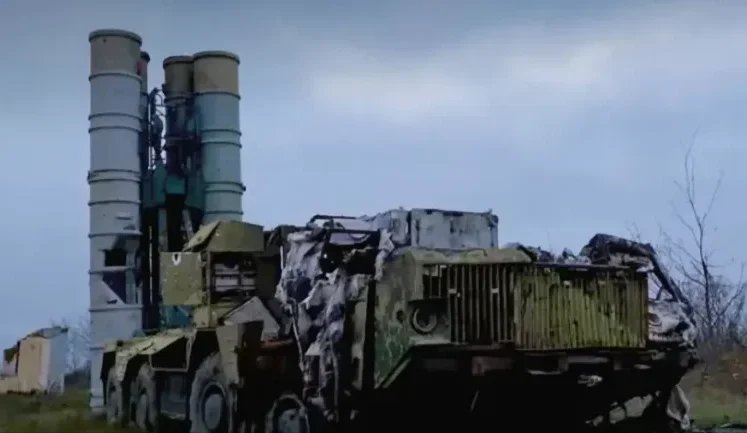
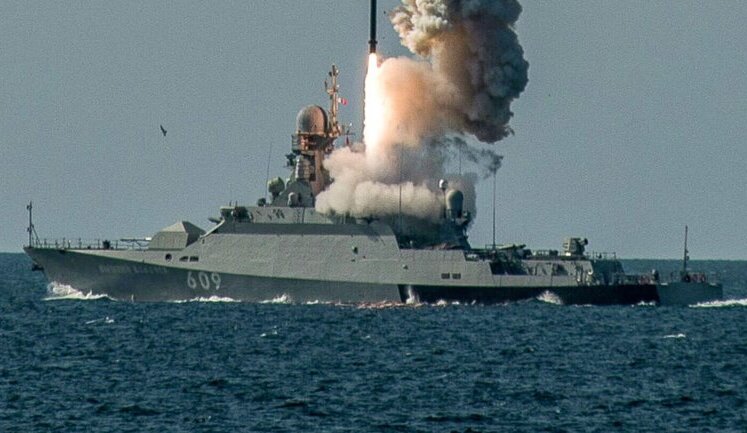
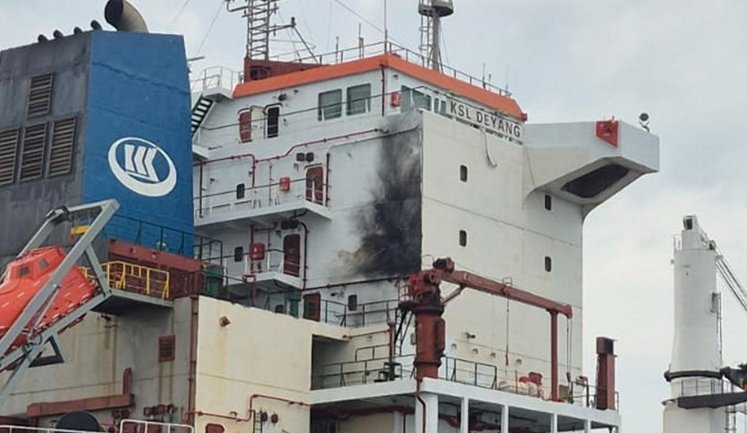
Pletenchuk emphasizes Russia's significant challenges in replacing lost air defense systems amidst Ukrainian strikes. The reliance on imported components limits Russia's ability to quickly replace these vital systems. In addition, Pletenchuk noted Russia's reduced use of Kalibr carriers, only utilizing them once from the sea in August, as opposed to three instances in July. This reduction highlights strategic recalibrations possibly influenced by Ukrainian pressures and logistical constraints. Furthermore, Russia's naval presence remains cautious with fleets not being withdrawn despite strikes, underscoring ongoing tensions. Pletenchuk's insights shed light on the operational difficulties faced by Russia in maintaining military momentum against Ukraine.
What issues does Russia face replacing air defense systems?
Russia struggles to replace air defense systems due to its high dependency on imported components. This reliance hampers the swift production and repair of its lost military equipment after Ukrainian strikes, indicating significant supply chain challenges.
How has Russia's Kalibr carrier usage changed recently?
Recently, Russia has reduced its use of Kalibr cruise missile carriers at sea, using them just once in August compared to three times in July. This change may reflect strategic realignments in response to operational constraints or technological challenges.
What are the implications of Russian fleet positioning in Novorossiysk?
Despite a major strike on Russian ships, the fleet remains in Novorossiysk, suggesting commitment to strategic locations. However, the persistent presence also reflects Ukraine's ability to impose maritime pressure, highlighting ongoing security tensions in the region.
Are there lawful targets related to Russian military logistics?
According to Pletenchuk, any military logistics, especially those aiding Russian occupation forces like Iranian supplies, are deemed lawful military targets for Ukraine. This position strengthens Ukraine's stance on targeting support networks in the conflict.
How is Russia responding to Ukrainian strikes on their logistics?
In response to frequent Ukrainian strikes, Russia has increasingly resorted to camouflaging its logistics operations, even disguising fuel trucks as civilian transports. This action demonstrates the logistical strain imposed by the ongoing Ukrainian defense efforts.
What role do Iranian military logistics play in the Ukraine conflict?
Pletenchuk identifies Iranian military logistics as a lawful target due to their critical role in supplying the Russian occupation army. Targeting these logistics disrupts Russia's military supply chain, potentially impacting their operational capabilities.
How are Ukrainian operations affecting Russian oil logistics?
Ukrainian forces have targeted oil infrastructure like the Tuapse port, resulting in suspension of shipments and stressing Russia's economic and military logistics. Such strikes aim to drain Russia's war resources through targeted economic disruption.