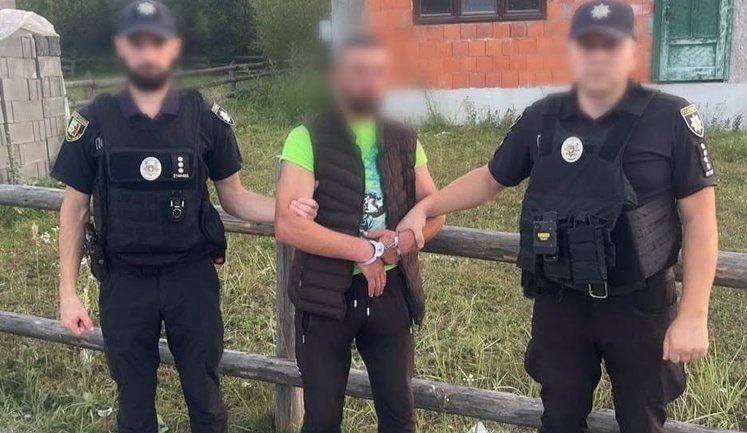
The phenomenon of AWOL, or absence without leave, poses significant challenges to the military structure in Ukraine. Recent cases highlight both violent incidents, such as a soldier opening fire in Dnipropetrovsk, and administrative actions like the Ministry of Defence's expanded return programs. Keywords such as "AWOL soldier", "desertion", and "military service return" are crucial in this context. Legal measures are being debated, with severe consequences applied in regions like Zakarpattia, where a grenade incident led to possible imprisonment. There's a focus on returning service members and addressing AWOL systematically through cooperation with the State Bureau of Investigation and legislative updates. Efforts to curb AWOL include exposing corruption and enhancing accountability within military ranks, ensuring a structured approach to dealing with unauthorized absences.
What are the legal consequences of going AWOL in Ukraine?
Military personnel who go AWOL in Ukraine can face severe legal penalties, including imprisonment. The duration of imprisonment can vary depending on the circumstances but can extend up to several years for repeat offenders or those involved in additional criminal activities like violence or theft. The legal system treats AWOL seriously due to its implications on national security.
How is the Ukrainian government addressing the AWOL crisis?
The Ukrainian government is tackling the AWOL crisis through multiple measures. They have introduced programs like the Army+ app to facilitate the voluntary return of AWOL personnel. Legislative efforts are also underway to streamline and strengthen procedures around AWOL, including potential changes to the military service system to increase fairness and motivation among service members.
Can AWOL soldiers in Ukraine return to service without facing legal action?
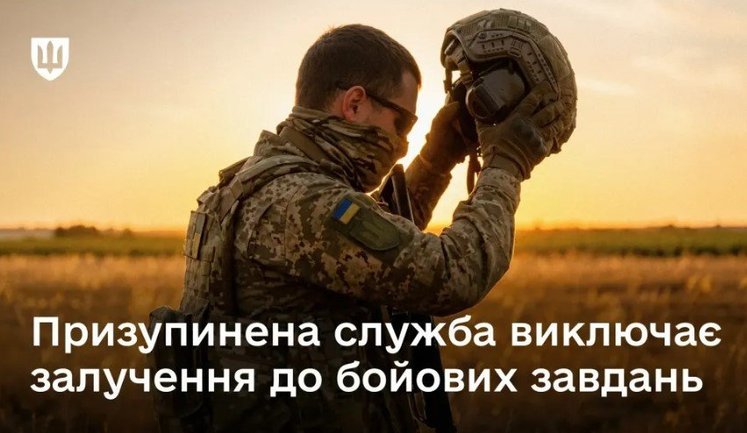
The Ukrainian Ministry of Defence offers programs allowing AWOL soldiers to return to service without facing legal action, under certain conditions. Specific deadlines and criteria are set, after which soldiers can resume service without criminal liability. These initiatives aim to reintegrate service members into the active roster while maintaining military discipline.
What role does the State Bureau of Investigation play in AWOL cases?
The State Bureau of Investigation (SBI) plays a crucial role in investigating AWOL cases. They work alongside other law enforcement agencies to uncover corruption and unauthorized absence schemes. The SBI conducts thorough investigations to ensure accountability within the armed forces and helps implement legislative measures that address AWOL more effectively.
How are desertion and AWOL statistics handled in Ukraine?
The management of desertion and AWOL statistics in Ukraine can be sensitive due to their potential impact on national security. While specific data may be restricted for strategic reasons, the Prosecutor General’s Office provides general statistics to monitor and strategize solutions for these issues. Efforts continue to ensure transparency and honest reporting where feasible.