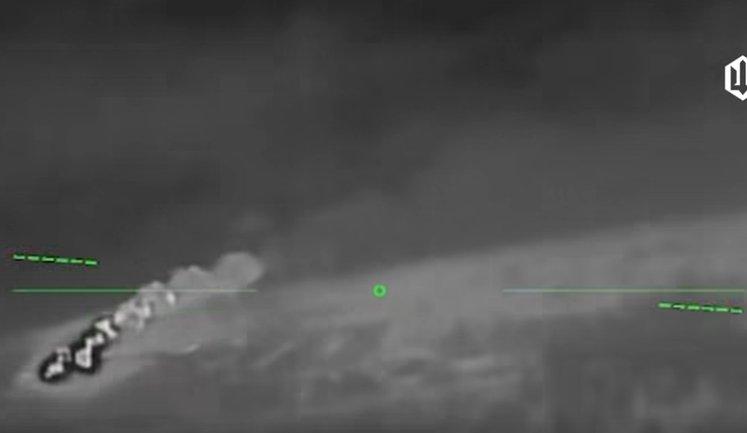
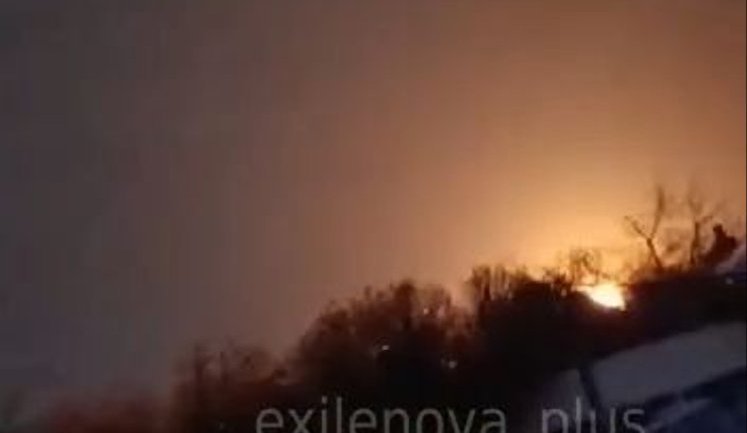
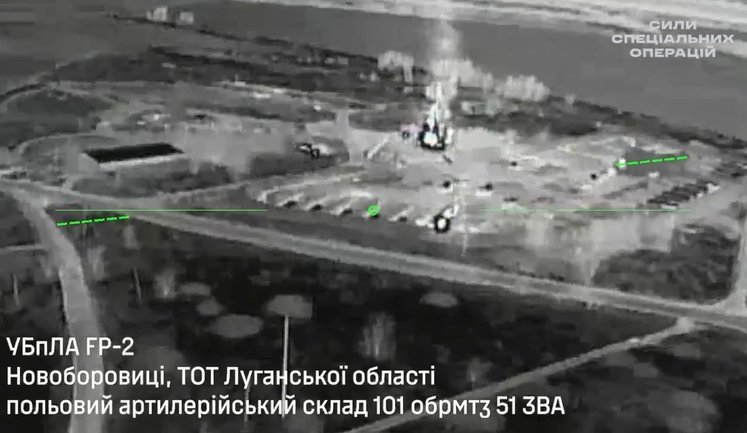
Throughout 2025, the Luhanska region of Ukraine has been a hotspot of strategic military activities and resistance efforts. Key developments include a drone attack on an oil refinery, illustrating the ongoing conflict dynamics. Special Operations Forces have been pivotal, conducting successful strikes against enemy logistics and fuel depots. Such operations are crucial in disrupting the adversary's supply lines and maintaining defensive positions. Additionally, the presence of Ukrainian Defence Forces in regions like the Serebrianskyi Forest underscores the determined resistance against Russian advances. This year's events in Luhanska also highlight the challenges faced by civilians, including housing evictions and limited reconstruction efforts in small settlements.
What recent drone strikes occurred in Luhansk region?
Recent months have witnessed significant drone activity in the Luhansk region. Strikes have targeted critical infrastructure such as oil refineries and enemy field artillery depots. These operations aim to disrupt the logistical supply chains of occupying forces and demonstrate the ongoing strategic defense initiatives by Ukrainian forces to weaken enemy capabilities in the region.
How have Special Operations Forces impacted the situation in Luhansk?
Special Operations Forces (SOF) have played a crucial role in the Luhansk region by executing precision strikes against vital enemy targets, including logistics facilities and field artillery depots. These operations help to significantly reduce the offensive capabilities of the invading forces, and they bolster Ukrainian Defense Forces in maintaining their defensive posture amidst ongoing hostilities.
What resistance efforts are notable in Luhansk this year?
Notable resistance efforts in Luhansk include the valiant stance of Ukrainian soldiers in the Serebrianskyi Forest and across other critical points in the region. Soldiers from various brigades have repelled numerous assaults, maintaining their positions under challenging conditions. Their actions have become symbolic of the broader resistance spirit and determination to defend the region against aggressor advances.
What are the civilian challenges in Luhansk region?
Civilians in the Luhansk region face ongoing challenges due to the conflict. Housing evictions under questionable legal pretexts have been reported, alongside the limited reconstruction of small settlements. The unstable security situation has exacerbated these issues, further complicating daily life for residents in these occupied territories.
What is the current state of infrastructure in Luhansk region?
Infrastructure in the Luhansk region has been severely impacted by the ongoing conflict. Strikes on energy facilities, such as power substations, have resulted in outages, complicating access to essential services. Additionally, the destruction of key logistical nodes affects transportation and supply routes, posing challenges for both civilian and military operations in the area.
Have there been any notable advances by Russian forces in Luhansk?
Russian forces have made attempts to advance in specific areas within the Luhansk region, including strategic locations like the Serebrianskyi Forest. However, these movements are met with significant resistance from Ukrainian forces. Despite these pressures, Ukrainian defenders remain resolute in holding their ground and countering enemy aggressions effectively.
What role do UAVs play in the conflict in Luhansk region?
Unmanned Aerial Vehicles (UAVs) play a vital role in reconnaissance and strike operations in the Luhansk region. These advanced technologies provide critical real-time intelligence and enable precise targeting of enemy positions, which are essential for the effective disruption of adversarial operations and reinforcing defense strategies in the ongoing conflict.
How significant are drone strikes in disrupting enemy operations?
Drone strikes have proven instrumental in the battlefield landscape of Luhansk. By targeting vital enemy infrastructure and assets such as fuel and ammunition depots, these strikes effectively erode the operational capabilities of occupying forces. This strategy leads to supply chain disruptions, decreased enemy morale, and tactical advantages for Ukrainian defense efforts.