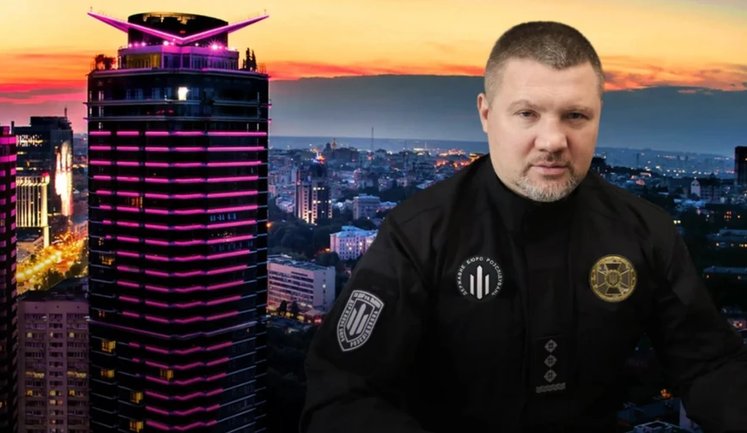
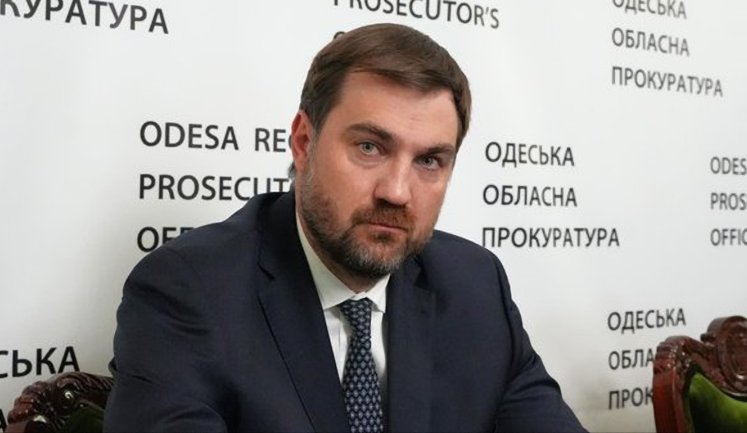
In Ukraine, apartment-related news frequently features significant transactions, acquisitions below market value, and controversies involving high-profile individuals. Dmytro Buznytskyi, Deputy Head of the SBI, got a prime Kyiv apartment from the SSU at a nominal price. Investigations reveal that Timur Mindich's fund acquired 77 Kyiv apartments at a 60% discount prior to the Russian invasion. Meanwhile, Andrii Svatok, Odesa's chief prosecutor, purchased luxury assets, sparking public interest. Notably, MIA Academy leaders controversially obtained service apartments initially promised to veterans. These stories underline the prevalence of property deals among Ukraine's elite.
What is the controversy about apartments in Ukraine?
Recent investigations in Ukraine have uncovered scandals involving high-profile figures acquiring apartments at prices significantly lower than the market value. Several officials and businesspeople have been implicated in these controversies, raising concerns about transparency and fairness in the property market. The issue is particularly pronounced in Kyiv, where prime real estate is often at the center of such debates.
How did Timur Mindich's fund acquire discounted apartments?
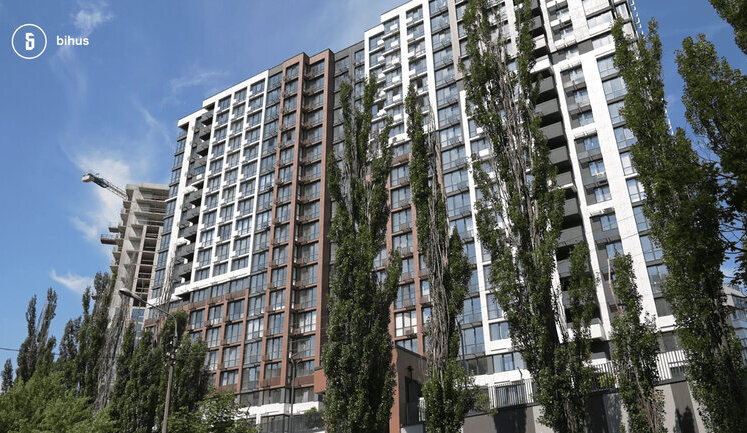
Timur Mindich's investment fund, "Genesis," reportedly secured 77 apartments in Kyiv at a substantial discount before the 2022 full-scale invasion by Russia. The acquisitions included units in a business-class residential complex, bought at more than a 60% discount. This deal raises questions about the timing and terms of such significant property investments just before a major geopolitical event.
Who benefits from service apartments in Ukraine?
Service apartments in Ukraine are intended for social security beneficiaries and veterans. However, reports have emerged that MIA Academy leaders have been allocating these properties among themselves. This has caused public outcry, as these apartments were originally promised to support more vulnerable groups, exacerbating concerns about mismanagement and preferential treatment within the system.
Why is Buznytskyi's apartment acquisition controversial?
Dmytro Buznytskyi's acquisition of an official apartment from the SSU at a nominal fee in Kyiv has sparked controversy. The transaction is viewed as a potential misuse of resources, as such properties are usually meant for official purposes and should reflect fair market values. This case highlights ongoing issues of transparency and fairness in Ukraine's property dealings, especially involving authoritative figures.
What are the implications of the Svatok family's property purchases?
The acquisitions by Andrii Svatok, head of the Odesa Regional Prosecutor’s Office, and his family have drawn significant scrutiny. They purchased luxury apartments and vehicles at half the market price, raising questions about ethical conduct and potential conflicts of interest. Such transactions often lead to broader debates about the integrity of public officials and the possible exploitation of privileged positions.