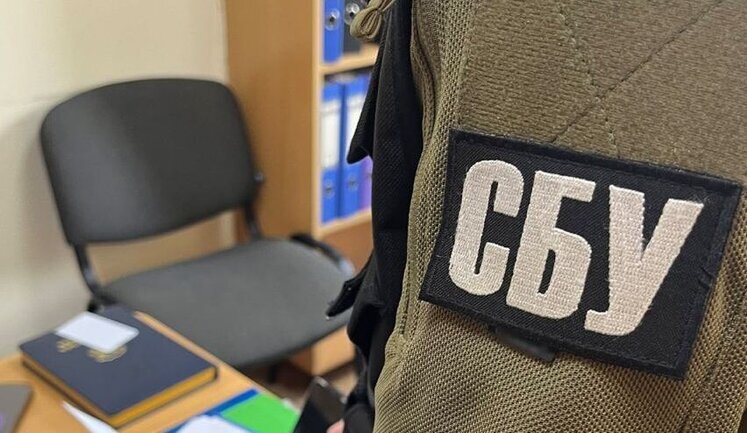
Cyber crime remains a global threat as highlighted by recent developments involving Russian intelligence agencies targeting government officials' messaging apps across Europe, the US, and Ukraine. This has prompt collaborations between Ukraine's SSU and entities like the FBI to enhance cybersecurity measures. Notable operations have revealed Russia's GRU utilizing hacked Wi-Fi routers for intelligence in the EU and the US. Such aggressive cyber activities have led to sanctions on Russian entities like the Aeza Group by the US. With ongoing threats from state-sponsored cyberattacks by nations like Russia and China, international cooperation is crucial in fortifying defenses against cyber espionage and attacks.
What cyber threats has Ukraine faced from Russian intelligence?
Ukraine has encountered numerous cyber threats from Russian intelligence agencies, including hacking attempts on government messaging apps, widespread espionage through compromised networks, and direct cyberattacks on state institutions. Collaborations with international agencies like the FBI have been crucial in identifying and mitigating these threats.
How are international agencies collaborating to combat cybercrime?
International agencies, notably the FBI and the SSU, are working closely to counteract cybercrime. This collaboration involves intelligence sharing, coordinated cyber operations, and strategic discussions on tackling organized cyber threats, particularly from state-sponsored actors like Russia.
What measures has the US taken against Russian cyber activities?
The US government has imposed sanctions on Russian cyber entities such as the Aeza Group, targeting their criminal activities and hindering their international networks. These measures aim to deter further cyber intrusions, particularly those threatening national security and defense industries.
What did the latest cyber operation by the SSU and its partners achieve?
The latest cyber operation by the SSU, in cooperation with the FBI and other European agencies, successfully disrupted Russian intelligence activities. This operation neutralized attempts at cyber-espionage and strengthened defensive measures, showcasing the effectiveness of international cybersecurity collaboration.
How have sanctions impacted Russian cyber groups?
Sanctions against Russian cyber groups like Aeza Group have restricted their financial transactions and hampered their operations. These sanctions aim to weaken these groups' capabilities in orchestrating further cyberattacks and serve as a deterrent against such illegal activities in the future.
What role does China play in global cybersecurity threats?
China has been implicated in long-term cyber espionage activities, such as hacking British government systems for over a decade. These activities signify a persistent cyber threat, prompting increased scrutiny and countermeasures from global cybersecurity forces.