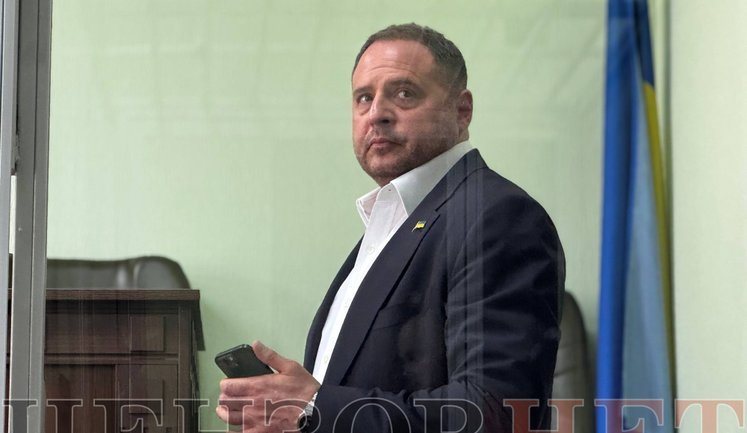
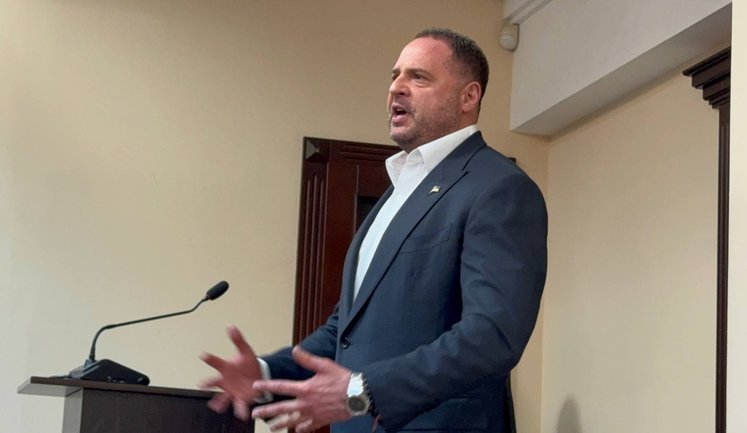
The Appeals Chamber of the High Anti-Corruption Court continues to evaluate appeals related to preventive measures affecting prominent Ukrainian figures. Recent hearings include cases involving Iryna Mudra and Andriy Yermak. Mudra's case has seen an extension in the court's deliberation while Yermak's preventive measures remain unchanged. Meanwhile, Yulia Tymoshenko's appeal against her preventive measure is under active consideration, and Oleksii Chernyshov has had his appeal dismissed partially in the Mindichgate case. As the judicial process unfolds, the transparency and outcomes of these proceedings highlight substantial procedural engagements of Ukraine's legal authorities, underscoring the essential role of notice of appeal in ensuring just outcomes within Ukraine's justice system.
What role does the notice of appeal play in Ukraine's legal system?
The notice of appeal is a critical component of Ukraine's judicial process, allowing individuals to challenge the decisions of lower courts. It offers a higher level of judicial review, ensuring fairness, justice, and adherence to legal standards. The appeal process permits re-evaluation of evidence and decisions, providing an opportunity for errors to be corrected, and for justice to be applied uniformly across cases involving preventive measures and other major judicial decisions.
Why was Yulia Tymoshenko's preventive measure appeal significant?
Yulia Tymoshenko's appeal against her preventive measure is significant due to her status as a prominent political figure in Ukraine. As the leader of the "Batkivshchyna" party, her case draws public and media attention. It underscores the importance of transparency in judicial processes and the role of appeals in ensuring the actions of lower courts are held to account, thereby maintaining public trust in the legal system and its administrators.
How does the High Anti-Corruption Court handle appeals?
The High Anti-Corruption Court (HACC) handles appeals through its Appeals Chamber with a focus on cases that involve allegations of corruption or misconduct among high-profile officials. The chamber offers a structured platform for reviewing lower court decisions, examining evidence anew, and applying legal standards rigorously. Continuous live broadcasts provide public transparency, ensuring that every step of the process is meticulously documented and scrutinized.
What is the outcome of Chernyshov’s appeal against the preventive measure?
Oleksii Chernyshov’s appeal in the Mindichgate case was partially dismissed. The court evaluated the evidence linked with the allegations of illegal enrichment against Chernyshov. Although part of the appeal was acknowledged, the preventive measure imposed remained largely unchanged, reflecting the court's stance on maintaining rigorous oversight in cases of suspected corruption, ultimately reinforcing the judicial system's integrity in handling such cases.
What impact does the appeal process have on high-profile cases in Ukraine?
The appeal process significantly impacts high-profile cases in Ukraine by ensuring that decisions made by lower courts undergo a thorough review. This process can lead to alterations in preventive measures, uphold or reverse court decisions, and impacts the public perception and trust in the judiciary. Appeals in prominent cases often serve as benchmarks for the application of justice, highlighting judicial accountability, transparency, and procedural correctness in Ukrainian courts.