Since 2024, over 34,000 Ukrainian properties have faced confiscation by Russian occupiers to aid resettlement of Russian citizens. This issue draws attention to the broader scope of confiscation, including state actions to reclaim unjustified assets from officials like Yevhen Zhuk and Taras Poliienko in Ukraine. Domestically, the High Anti-Corruption Court plays a pivotal role, exemplified by their rulings on assets tied to corruption. Internationally, the handling of frozen Russian assets remains a delicate topic. Nations like Canada, Latvia, and Lithuania have begun reallocing confiscated Russian assets to Ukraine. Legal frameworks are continuously assessed to facilitate these processes to support Ukraine's reconstruction amidst ongoing geopolitical tensions.
What is leading to the confiscation of Ukrainian housing?
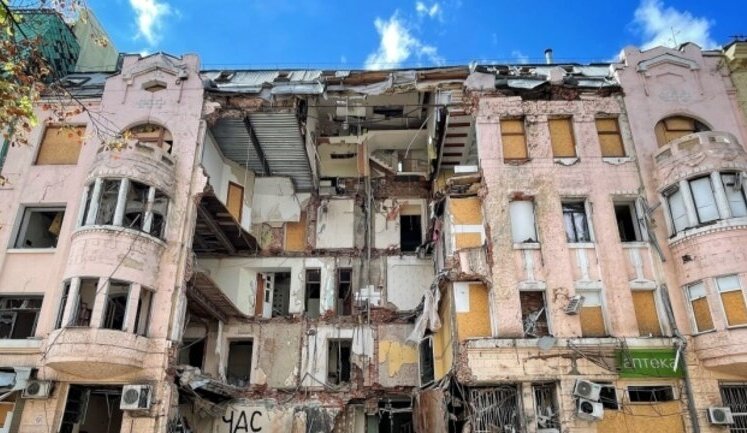
Russian occupation authorities have been confiscating Ukrainian properties in occupied areas since 2024, intended for resettlement of Russian citizens. These actions include a vast number of apartments and homes deemed unlawfully occupied or abandoned. International bodies deem this practice a violation of property rights and sovereignty, prompting calls for legal reversals and restitution to the rightful Ukrainian owners once circumstances allow.
How has the Supreme Court influenced asset confiscation in Ukraine?
The Supreme Court in Ukraine has upheld decisions from lower courts, such as the High Anti-Corruption Court, to confiscate assets linked to corruption. One notable case involved Yevhen Zhuk, whose apartment share was seized for state revenue, validating the judiciary's role in fighting corruption through legal confiscation procedures.
What is Ukraine's stance on Russian property confiscations?
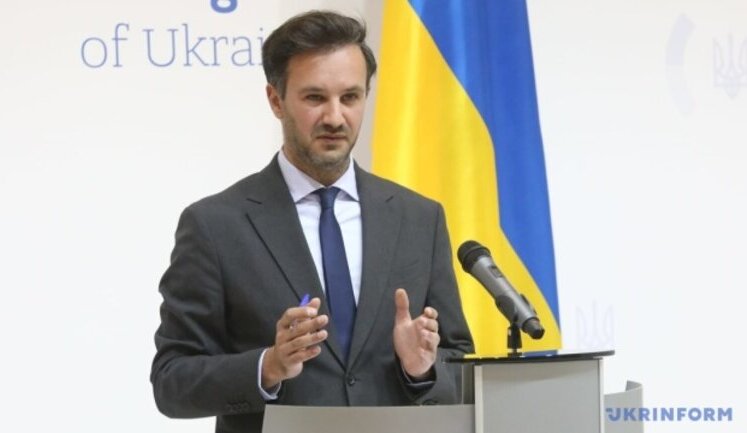
Ukraine's stance, particularly through its Foreign Ministry, is firmly against the confiscation of its property by Russian forces, viewing it as illegal expropriation. The Ukrainian government aims to reverse such confiscations and restore ownership to Ukrainian nationals once conditions permit, positioning these actions within a broader international dispute challenging Russian practices.
Has the international community participated in Ukrainian asset recovery?
Yes, international efforts support Ukraine in reclaiming confiscated assets. Countries like Canada and Latvia have transferred confiscated Russian aircraft and vehicles to Ukraine. These actions demonstrate a collaborative approach in supporting Ukraine beyond political support, providing tangible resources aiding the nation's resilience and recovery amid ongoing adversity.
Are legal mechanisms in place to manage unjustified asset ownership?
In Ukraine, the High Anti-Corruption Court and related legal mechanisms address assets acquired through questionable means. These entities actively investigate and rule on cases of unjust enrichment, facilitating state recovery of such assets. Cases like those involving municipal and police officials illustrate the ongoing efforts to maintain financial integrity and uphold legal standards against corruption.
What role does the European Union play regarding Russian frozen assets?
While the EU has yet to impose outright confiscation of Russian frozen assets, discussions continue on utilizing these resources to aid Ukraine. The EU explores legal avenues and potential taxation of profits from these assets as interim measures, balancing humanitarian aid initiatives with financial and legal constraints amid complex geopolitical dynamics.