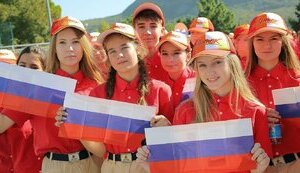
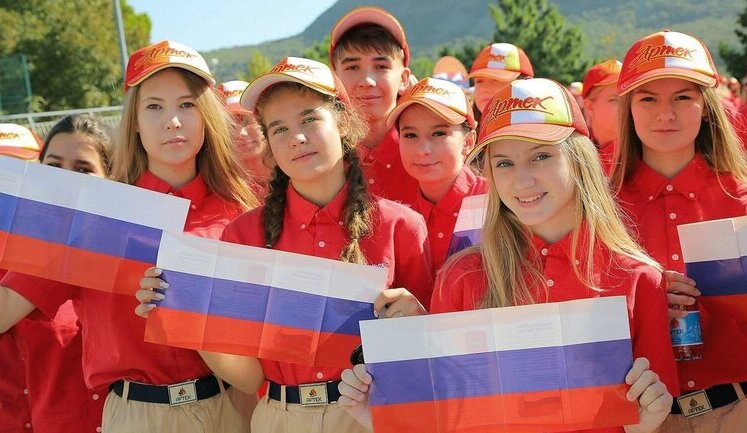
In a notable development, several children from Germany were seen at the Artek camp in occupied Crimea, spending three weeks in one of Russia's prominent youth centres. This visit has stirred geopolitical discussions, especially given Artek's location in the disputed region of Crimea, annexed by Russia. During their stay, the German children were introduced to representatives of Putin's "United Russia" party. This interaction underlines the intricate sociopolitical web of influences and relationships shaped by Russia's cultural outreach programs. The involvement of international children in such settings raises questions on the global perception of Crimea's geopolitical status and Russia's international relationships.
What is the significance of Artek camp in Crimea?
The Artek camp in Crimea is one of Russia's largest and most prestigious youth centers. Founded in 1925, it serves as a key cultural and educational hub, attracting youth from across the globe. Located in the geopolitically contentious region of Crimea, it often becomes a focal point in discussions regarding Russia's influence and the ongoing disputes over Crimea's annexation by Russia in 2014. The presence of foreign children adds layers to its significance, impacting international perspectives on the region.
How does the international community view Artek camp in Crimea?
The international community has mixed views on Artek camp due to its location in Crimea, a region annexed by Russia in 2014. While some countries recognize Crimea as part of Ukraine, Russia asserts its jurisdiction over the area. This creates a contentious backdrop to any activities at Artek, particularly when involving foreign nationals. The camp’s operations, especially involving international participants, are observed as part of Russia's broader effort to assert its cultural influence worldwide.
Why were German children in Artek camp recently?
German children recently attended the Artek camp as part of an international cultural exchange. Their visit involved a program that allowed them to engage with youth from Russia and learn about regional culture. However, their presence has drawn attention due to Artek's location in occupied Crimea, an area that remains a focal point in geopolitical disputes between Russia and Ukraine. Visits like these often spark discussions on the implications of international interactions in disputed regions.
What kind of activities do children participate in at the Artek camp?
Children visiting Artek camp can engage in various educational and recreational activities, including cultural exchanges, language learning, sports, and arts. The camp is known for its comprehensive programs designed to foster international understanding and camaraderie among youth. In addition, attendees often hear from political and cultural leaders, presenting them with a broader view of Russian society and politics, which in the context of Crimea, carries substantial geopolitical and cultural weight.
What concerns have been raised about Artek camp's location?
Concerns regarding the Artek camp primarily stem from its location in Crimea, a region whose status remains disputed following Russia's annexation in 2014. Internationally, many countries still consider Crimea part of Ukraine, and Russia’s assertion of control over the area is not universally recognized. This situation causes diplomatic tension, impacting how activities at the camp, especially those involving foreign nationals, are perceived. There are also broader issues related to the camp being used as a tool for soft power by Russia in its international engagements.