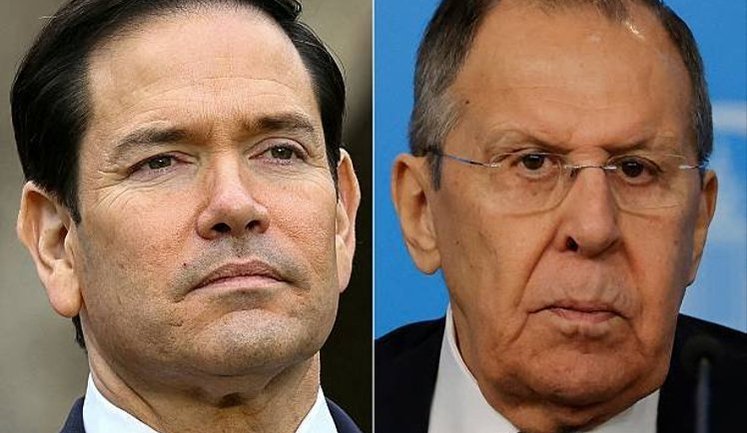
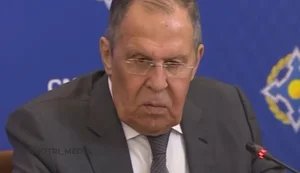
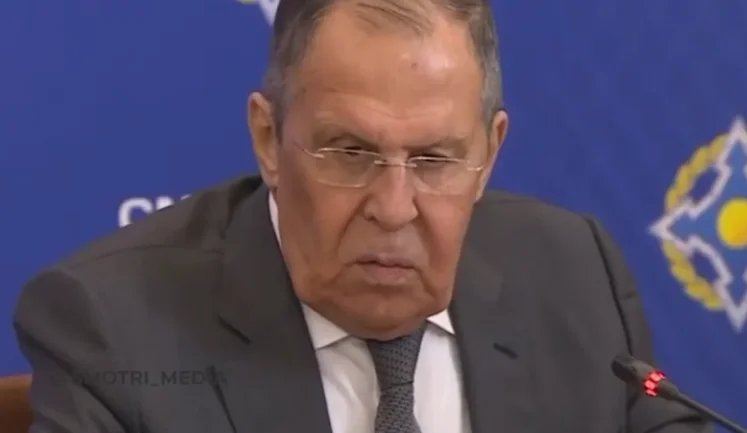
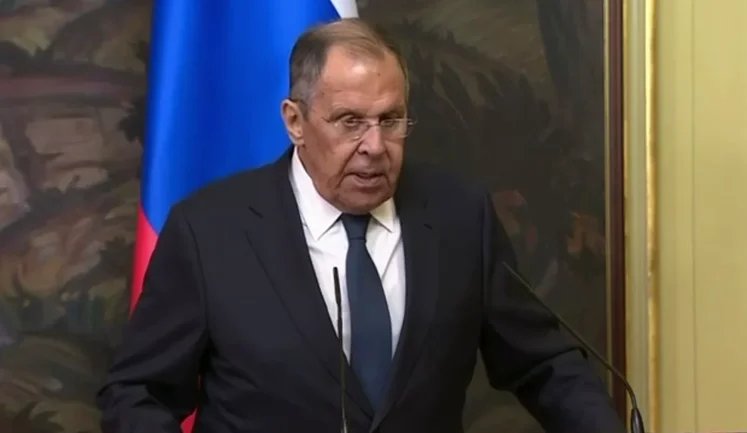
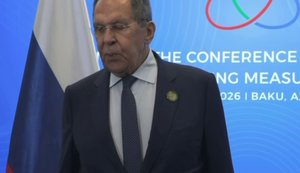
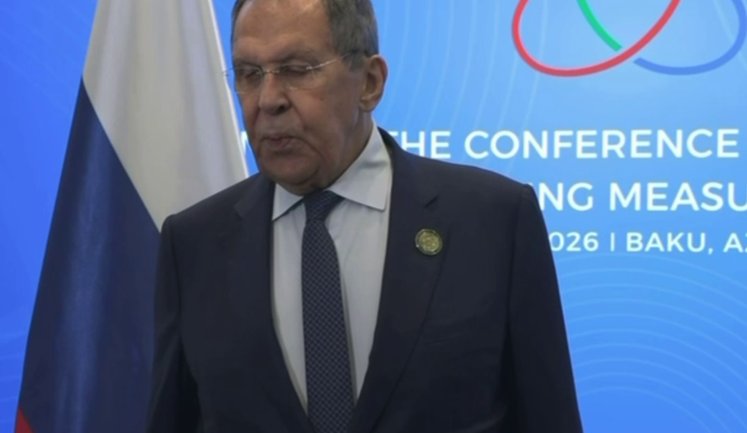
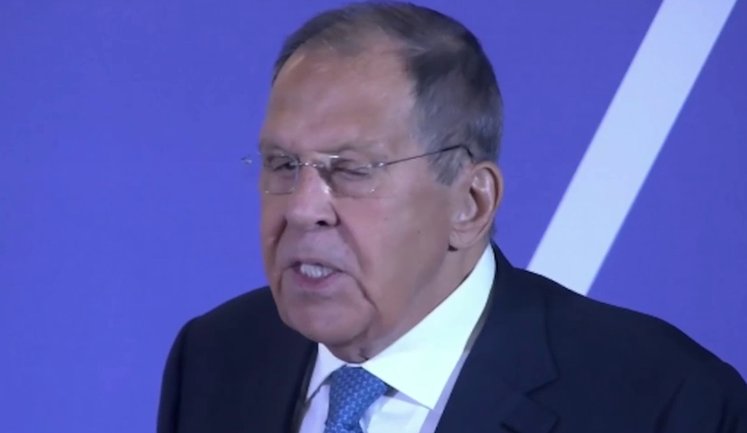
Russian Foreign Minister Sergey Lavrov has been vocal regarding the ongoing war in Ukraine, indicating a lack of readiness for peace talks with Kyiv during various international meetings. At the recent G20 summit, Lavrov demonstrated Russia's reluctance to engage in negotiations aimed at resolving the conflict. He claimed that the West's efforts focus on weakening Russia and opposed any notion of a ceasefire without achieving Moscow's objectives. Moreover, Lavrov addressed foreign envoys, asserting the absence of political concessions and dismissing Ukraine's legitimacy. Despite global calls for resolution, Lavrov's rhetoric continues to fuel tensions amid escalating conflict.
What did Sergey Lavrov say about the peace talks with Ukraine?
Sergey Lavrov stated that Russia is ready to consider peace talks but will not pause military operations, indicating a lack of conditions conducive to peace negotiations. He further mentioned that the West's ultimatum-driven approach undermines the prospects of dialogue.
Why did Lavrov refuse a ceasefire during Ukraine elections?
Lavrov refused the ceasefire proposal to allow elections in Ukraine, citing it as inconsistent with Russia's strategies. He believes halting military operations would undermine Russia's mission and the historical gains achieved by Russian forebears.
How did Lavrov respond to the Western positions on the Ukraine conflict?
Lavrov criticized the Western nations for their hardline stances, accusing them of seeking to divide Russia using Ukraine as an instrument. He views Western disarmament efforts and calls for a ceasefire as deceptive tactics to rearm Ukraine.
Has Lavrov demonstrated any willingness to meet with U.S. officials?
Sergey Lavrov has expressed openness to meetings with U.S. officials, discussing potential directions for resolving the Ukraine conflict. However, he maintains a firm stance on not making political concessions during these diplomatic engagements.
What is Lavrov's view on Ukraine's legitimacy as a state?
Lavrov has questioned Ukraine's legitimacy, suggesting it lacks the necessary attributes to be recognized as a sovereign entity in international relations. He advocates for restructuring Ukraine's status to a 'buffer zone' under Russian influence.