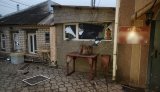
Recent attacks and security incidents involving mosques have captured global attention. In Kherson, Russian forces attacked a local mosque, damaging both its facade and interior. This act adds to the growing list of assaults on religious sites. In Baghdad, a tragic suicide bombing near a mosque led to the death of at least 12 people. Such incidents highlight the ongoing threats to religious communities. Meanwhile, Mecca's Grand Mosque was the site of a disaster involving a collapsed crane, resulting in numerous casualties. These events underscore the need for heightened security and dialogue around the preservation and protection of sacred spaces.
What happened to the mosque in Kherson?
Russian forces attacked a mosque in Kherson, damaging its facade and interior. The mosque is a key part of the local Muslim religious community. Such attacks have raised concerns about the safety and preservation of religious sites during conflicts.
How significant was the Baghdad mosque incident?
The Baghdad mosque incident was significant due to the tragic loss of life. A suicide bombing near the mosque resulted in at least 12 deaths and 32 injuries. This attack highlights the ongoing security challenges in the region and the need for vigilant protection of religious communities.
What caused the disaster at Mecca's Grand Mosque?
The disaster at Mecca's Grand Mosque was caused by a collapsed crane, which tragically killed 87 worshipers and injured 184 others. The incident stresses the importance of stringent safety measures in construction sites, particularly in areas with large congregations.
What are the implications of mosque attacks globally?
Global mosque attacks have severe implications, affecting religious harmony and community safety. They foster fear and discord, emphasizing the urgent need for international cooperation in protecting religious sites and promoting peaceful coexistence.
How has the situation in Crimea affected mosques?
The situation in Crimea has led to various incidents involving mosques, including searches by Russian law enforcers. These actions reflect broader geopolitical tensions and raise concerns about religious freedom and cultural rights in occupied territories.
Why are mosques targeted in conflicts?
Mosques are often targeted in conflicts due to their symbolic and communal significance. Such attacks aim to destabilize communities, incite fear, and disrupt religious practices, amplifying tensions in already volatile regions.