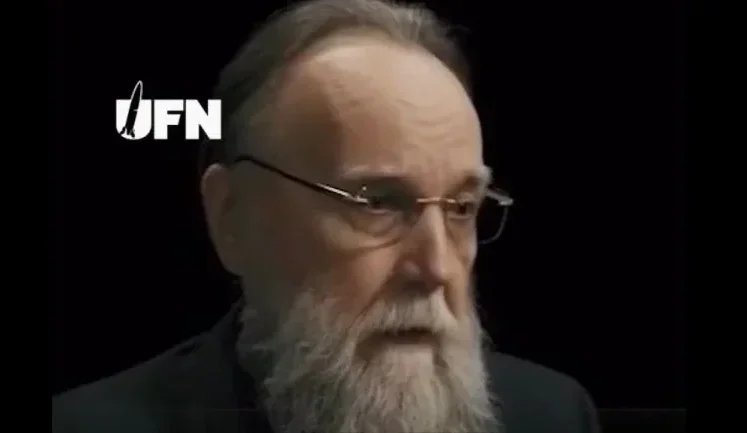
In recent years, the resurgence of Nazism rhetoric in Russia has become evident through various incidents and statements by Kremlin ideologues. Figures like Alexander Dugin have justified violence against Ukrainians, claiming it's for a "higher cause." Meanwhile, everyday occurrences in Russia, such as xenophobic interactions and incidents of racism, reflect deeper societal issues influenced by far-right ideology. Propagandists like Yuri Baranchik and Alexander Arutyunov have openly called for terrorism and expressed frustration at military failures, further using Nazi-like rhetoric to demean Ukraine's leadership and people. President Zelenskyy condemned these actions, stating the world must overcome Russian aggression labeled as a new form of Nazism.
What aspects of Nazism are present in Russian propaganda?
Russian propaganda utilizes Nazism by promoting ethnic superiority, xenophobia, and justifying violence against Ukrainians. Kremlin ideologues have openly called for such measures, framing them as necessary for a 'higher cause'. This is evident in public statements and the behavior of propagandists.
How does the Kremlin justify violence against Ukrainians?
Kremlin figures such as Alexander Dugin have justified violence against Ukrainians by claiming it's necessary for achieving a significant 'higher cause'. They present this as a love-hate relationship, where violence is deemed a requirement for a greater good, masking the aggression as ideological necessity.
What has been President Zelenskyy’s response to Nazism accusations?
President Volodymyr Zelenskyy has strongly opposed the accusations of Nazism, condemning them as unfounded and absurd. He highlights that such claims are a pretext for Russian aggression and reiterates Ukraine's position as a victim rather than a perpetrator of xenophobic ideologies.
Why is everyday racism considered a reflection of Nazism in Russia?
Everyday racism in Russia reflects Nazism due to the prevalence of xenophobic attitudes and discriminatory behavior, amplified by the state media and public figures. Incidents in Moscow taxis and by Russian propagandists demonstrate societal acceptance of Nazi-like ideologies, influencing public perceptions and actions.
Have Ukrainian leaders been targeted in Russian propaganda?
Ukrainian leaders have been specific targets in Russian propaganda, with figures like Yuri Baranchik calling for extreme measures against them and their families. Such rhetoric aims to sow fear and instability, exploiting Nazi symbolism to justify calls for violence and terror against Ukraine's governance.
Is there historical context in Nazism rhetoric between Ukraine and Russia?
Yes, the historical context of Nazism rhetoric between Ukraine and Russia stems from World War II legacies, where both nations suffered significantly. Russia uses historical narratives to label Ukraine with Nazi associations, seeking to establish a moral high ground while justifying military actions and policies.
What role do Russian media play in promoting Nazi rhetoric?
Russian media plays a significant role in promoting Nazi rhetoric by continuously broadcasting xenophobic content and ideologues' statements. They frame Ukraine and its leaders as extensions of Nazism, using historical revisionism to legitimize aggression and undermine Ukraine's international standing.