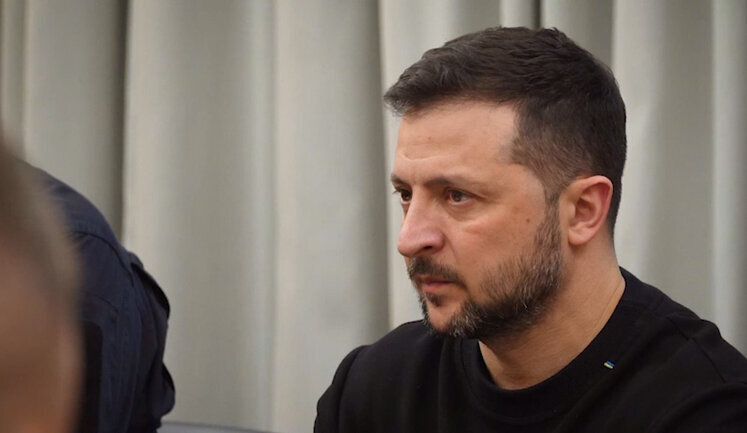
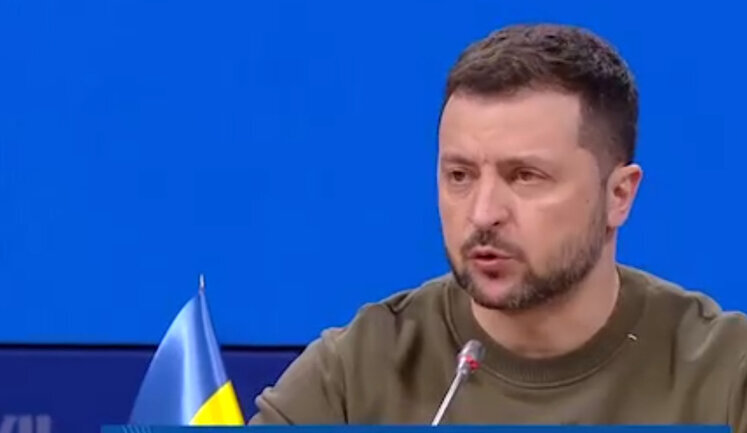
The Balkans remain a region of significant geopolitical interest, with recent developments involving Ukraine and Southeast Europe. President Volodymyr Zelenskyy has actively engaged with leaders from Balkan states, inviting them to participate in a Peace Summit. This initiative aims to foster collaboration and maintain stability in Southeast Europe. Additionally, concerns over Russian influence in the Balkans have been highlighted, with Croatia particularly under scrutiny. The involvement of prominent figures and governments underscores the complex political landscape. Historical comparisons draw attention to past conflicts, emphasizing the need for cautious diplomatic engagement. As the region evolves, international interest in the Balkans' stability continues to grow, driven by geopolitical strategies and economic considerations.
What is the focus of the Ukraine-Southeast Europe summit?
The Ukraine-Southeast Europe summit focuses on fostering collaboration and partnership between Ukraine and the Balkan states. It aims to address regional stability and peace initiatives, facilitating dialogue among leaders to discuss mutual interests and strategies to counter external influences, particularly those from Russia.
Why is Russian influence in Croatia a concern?
Russian influence in Croatia is concerning because it involves strategic political and economic interventions that could destabilize the region. Allegations of connections with Russian banks and political figures highlight Moscow's attempts to exert control, potentially undermining EU policies and supporting separatist sentiments contrary to Ukrainian sovereignty.
How are past Balkan conflicts influencing current European politics?
Past Balkan conflicts serve as a cautionary backdrop influencing current European politics by underscoring the potential for regional instability. The lessons learned from these conflicts emphasize the importance of unified EU efforts to prevent similar situations, enhance security protocols, and mitigate external influences such as those exerted by Russia in destabilizing the region.
What role does the UK play in supporting the Balkans?
The UK plays a supportive role in the Balkans by advocating for increased security measures and countering Russian aggression. Efforts include diplomacy and financial assistance aimed at strengthening regional stability and ensuring the Balkans remain aligned with broader European initiatives, thus deterring divisive foreign influences.
How could Trump's policies potentially impact the Balkans?
Trump's policies, particularly anti-EU rhetoric, could impact the Balkans by emboldening separatist sentiments and encouraging fragmentation within the EU. This divides political unity and can increase susceptibility to external influences, leading to instability within the Balkan region, as historical tensions might resurface without strong European solidarity.