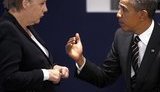
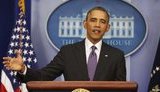
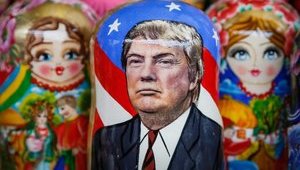
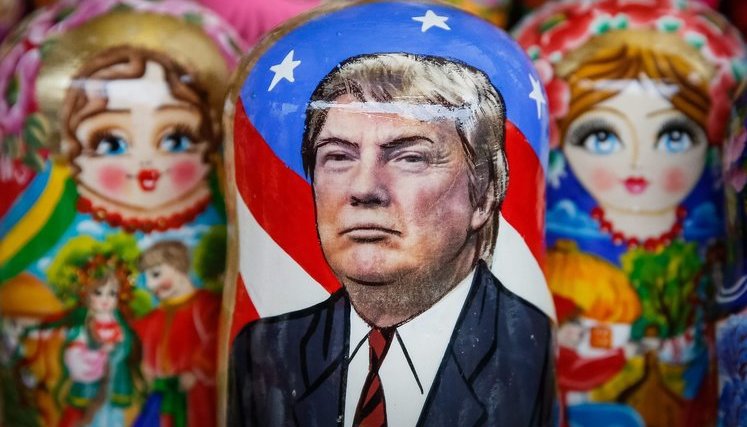
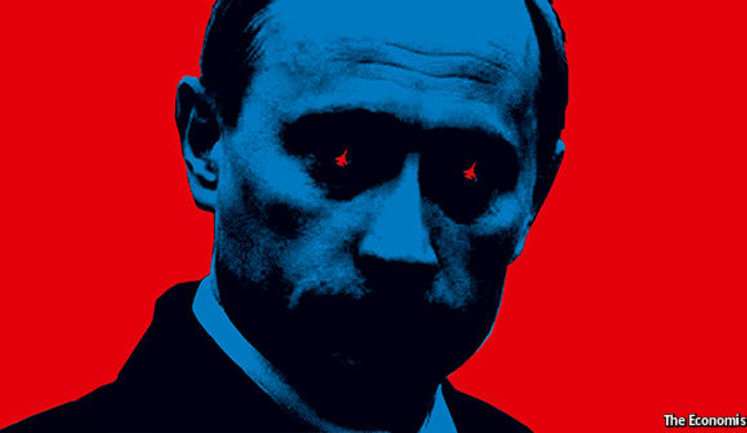
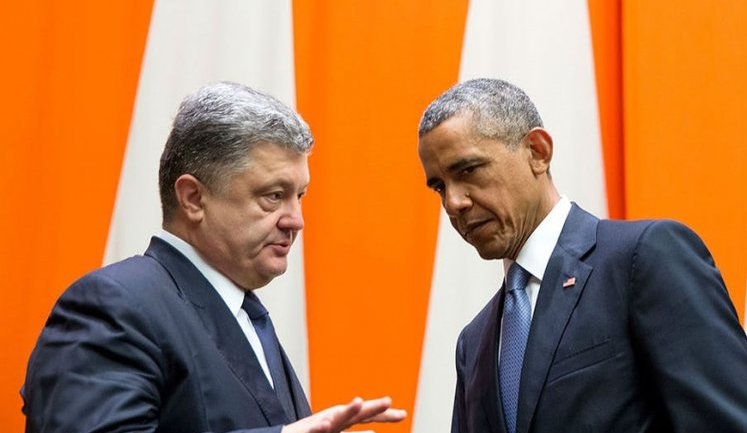
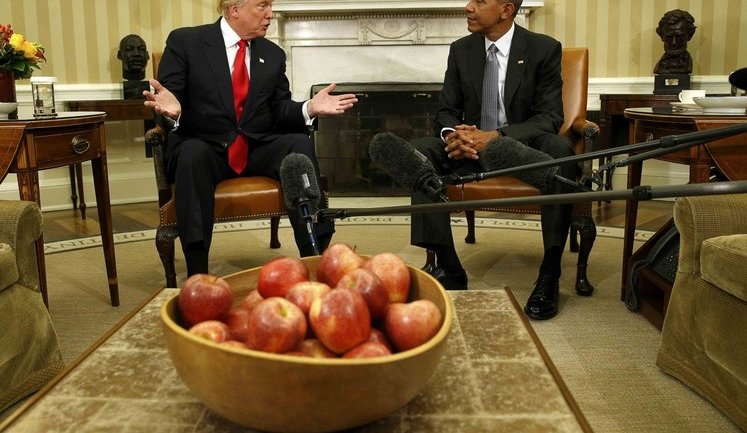
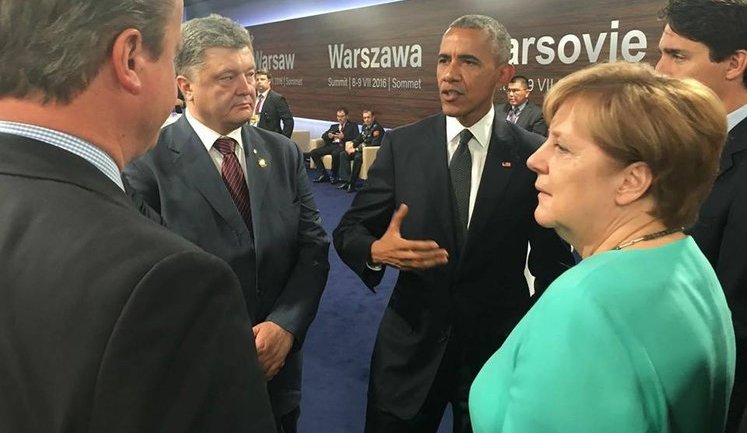
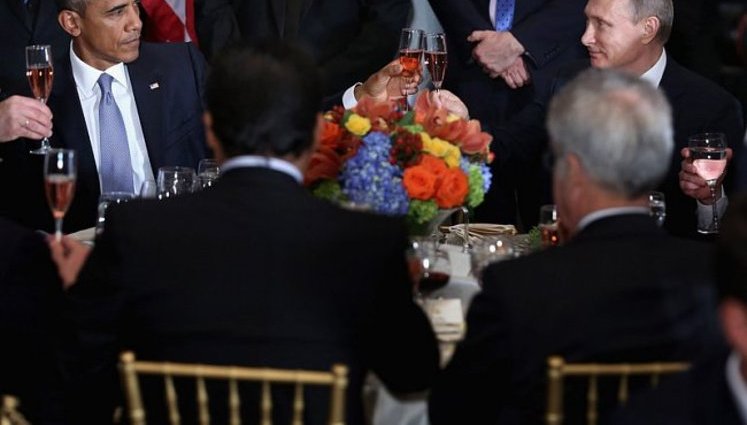
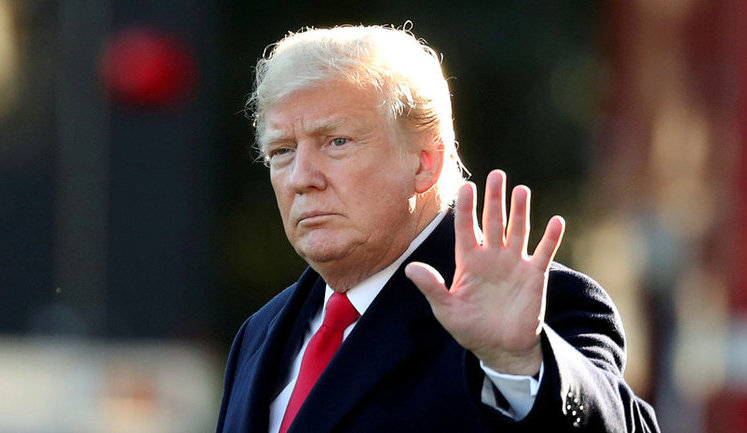
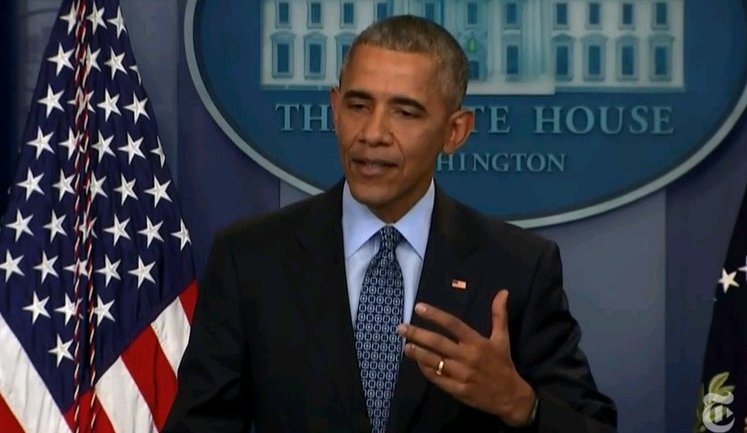
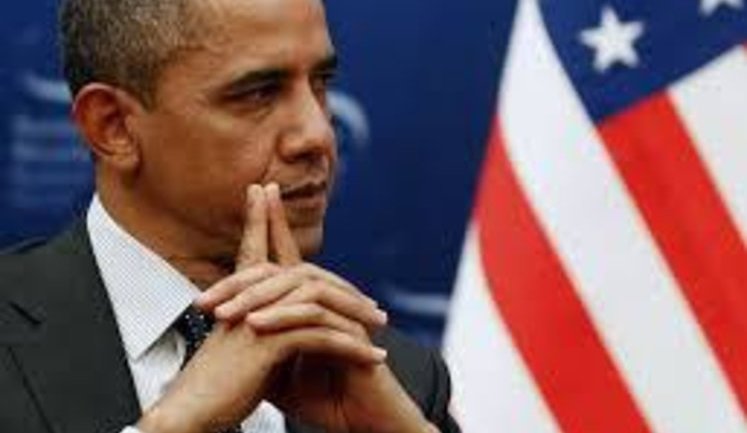
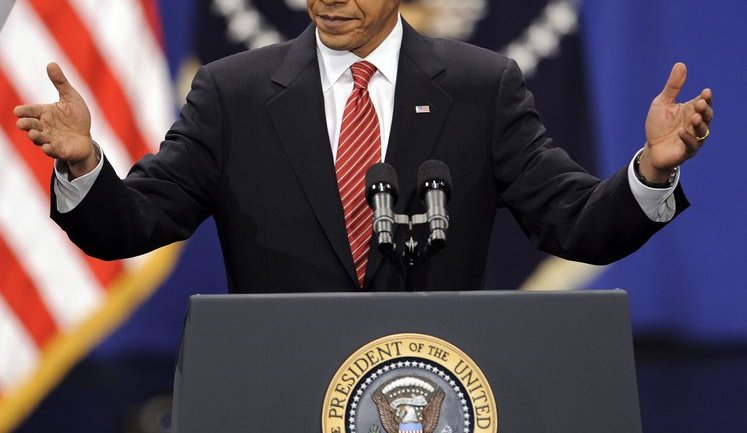
In recent discussions, President Obama highlighted how Putin's current regime is more isolated than the Soviet era, drawing attention to the evolving political dynamics in global affairs. This commentary emerged amidst accusations by Trump, insinuating that the annexation of Crimea was partially attributable to Obama's administration. These discussions underscore the complex legacy of U.S.-Russia relations, with Trump often critiquing Obama's policies towards Russia. Additionally, the controversial interactions between Trump's advisors and Russian officials further intensify these debates. Both the international community and political analysts continue to scrutinize these developments, seeking to unravel the multifaceted geopolitical implications.
What are Barack Obama's views on Putin's regime?
Barack Obama has consistently criticized Putin's regime, noting its isolation compared to the Soviet era. He underscores the issues of human rights and political oppression under Putin while advocating for democratic principles. His administration often pushed for sanctions against Russia, especially post-Crimea annexation, to deter aggressive Russian geopolitics. Obama stresses the importance of upholding international norms and encourages global partners to collectively address Russia’s transgressions.
How does Obama perceive the annexation of Crimea?
Obama views the annexation of Crimea as a breach of international law and a direct challenge to global stability. He believes it exemplifies Russia's aggressive expansionism and violation of Ukraine's sovereignty. Obama's administration responded with sanctions aimed at isolating Russia diplomatically and economically. Despite criticism from various fronts, Obama maintained that a strong, united response was essential to uphold international norms.
Has Trump criticized Obama's approach to Russia?
Yes, Trump has been vocal in criticizing Obama's approach, claiming it was too lenient and allowed Russia to expand its influence. He specifically cites the annexation of Crimea as a failure of Obama’s foreign policy. Trump's comments often spark debate, with some viewing his stance as a push for stronger U.S. dominance, while critics argue it reveals inconsistencies and aligns too closely with Russian interests.
What role does Obama's administration believe sanctions play against Russia?
Obama's administration held the stance that sanctions are crucial in curbing Russia's aggressive behavior. Sanctions were seen as a means to diplomatically pressure Russia while avoiding military confrontation. They aimed to weaken Russia’s economy and demonstrate international disapproval of its actions. Sanctions were part of a broader strategy to compel Russia into negotiations while supporting nations protecting their sovereignty against foreign threats.
Why does Obama believe international unity is important in dealing with Russia?
Obama champions international unity as essential in addressing the challenges posed by Russia. He argues that a collective international response amplifies pressures on Russia to adhere to global norms. By presenting a unified front, countries can better deter aggression and preserve peace. Obama emphasized cooperation with international organizations like NATO and the EU, believing shared values and coordinated actions are potent tools in promoting global stability.