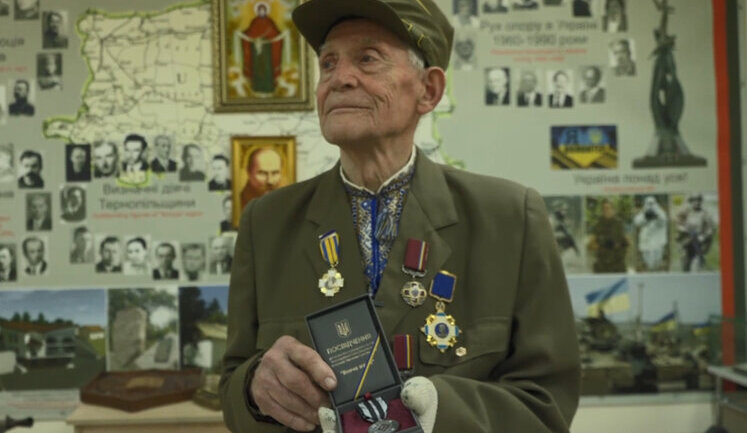
The Organization of Ukrainian Nationalists (OUN) remains a contentious topic in Ukraine's history, particularly regarding its wartime activities. Recently, the Polish Sejm's decision to recognize July 11 as the Day of Remembrance for the victims of the "genocide by OUN and UPA" has stirred diplomatic tension. The Ministry of Foreign Affairs of Ukraine criticized this as harmful to good neighborly relations. Meanwhile, 94-year-old OUN underground fighter Ihor Oleshchuk was honored in Ukraine, underscoring the complex legacy of OUN as both a resistance movement and a controversial historical entity. The debates continue with Poland seeking to equate OUN propaganda with Nazism, further complicating historical narratives and current diplomatic ties. The narrative around OUN's legacy affects not only history but also contemporary geopolitics and international relations.
What is the historical significance of the OUN in Ukraine?
The Organization of Ukrainian Nationalists (OUN) played a significant role in Ukraine's struggle for independence, particularly during World War II. It was involved in both resistance against occupying forces and controversial activities that have led to disputes over historical interpretation. The OUN's actions and ideology remain a subject of debate, influencing Ukraine's national identity and its relations with neighboring countries like Poland.
Why has the Polish Sejm declared a day of remembrance against OUN?
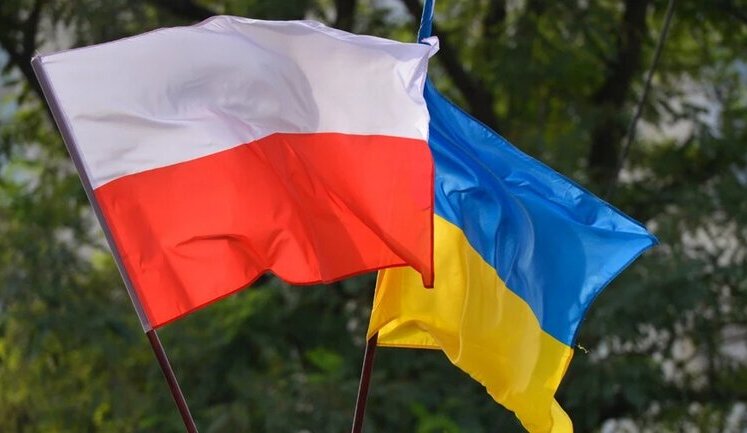
The Polish Sejm declared July 11 as a remembrance day to honor the victims of events labeled as a genocide by the OUN and UPA during the Volhynia massacres in 1943-1945. This decision is rooted in Poland's historical perspective on these events, which uses strong language to describe the actions of Ukrainian nationalist groups, significantly affecting Polish-Ukrainian relations.
What are the diplomatic implications of Poland's actions on OUN history?
Poland's legislative actions and statements regarding OUN activities have sparked diplomatic tensions with Ukraine. Ukraine perceives these actions as polarizing and harmful to mutual understanding and neighborly relations. The ongoing historical disputes continue to affect bilateral relations, requiring careful diplomatic engagement to overcome historical grievances.
How does Ukraine recognize former OUN members today?
Ukraine recognizes former OUN members like Ihor Oleshchuk through awards and honors, highlighting their contributions to Ukraine's resistance movements. This recognition is part of Ukraine's broader effort to redefine its historical narrative and honor those who fought for its independence, despite controversies surrounding certain historical actions of OUN.
What is the current Polish legislation regarding OUN propaganda?
The Polish Sejm introduced legislation to criminalize OUN propaganda, similar to existing laws against Nazism and Communism. This reflects Poland's stance on the historical narrative and its effort to address what it sees as extremist ideologies. These legislative moves have significant implications for the historical discourse between Poland and Ukraine.