In recent political developments, Ukraine has seen significant changes within its party landscape. Ukrainian President Volodymyr Zelenskyy recently engaged in discussions with the Servant of the People faction, confirming the current political strategies are in place. Meanwhile, Germany has witnessed a rise in popularity of the far-right Alternative for Germany party, now leading the polls with 26%. Domestically, political reforms continue as laws against pro-Russian parties have been enacted, highlighting Ukraine's ongoing efforts to redefine its political affiliations and reduce foreign influence. This landscape shows a dynamic shift in political allegiances both within Ukraine and internationally.
What recent meeting did Zelenskyy have with his party faction?
Ukrainian President Volodymyr Zelenskyy held a significant meeting with the Servant of the People faction to discuss ongoing political strategies and leadership within the party framework. This was an important opportunity to reaffirm the faction's unity and direction under current circumstances.
Which party is leading in Germany's latest polls?
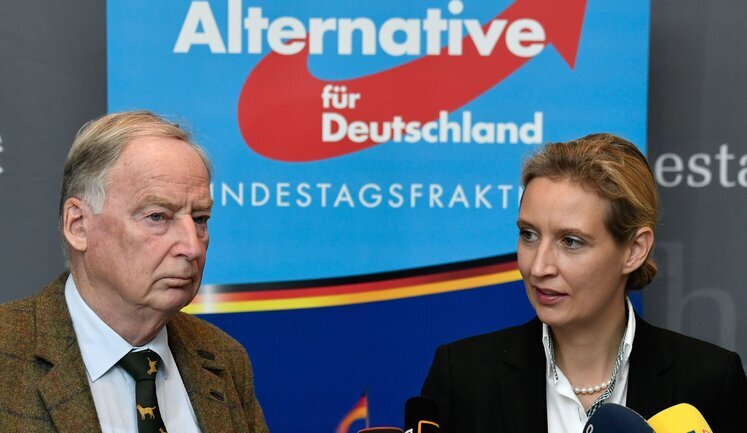
The far-right Alternative for Germany has surged to the top of political party rankings in Germany, securing 26% in a recent poll. This marks a notable shift in Germany's political climate, reflecting growing support for their policies.
What legal changes are affecting political parties in Ukraine?
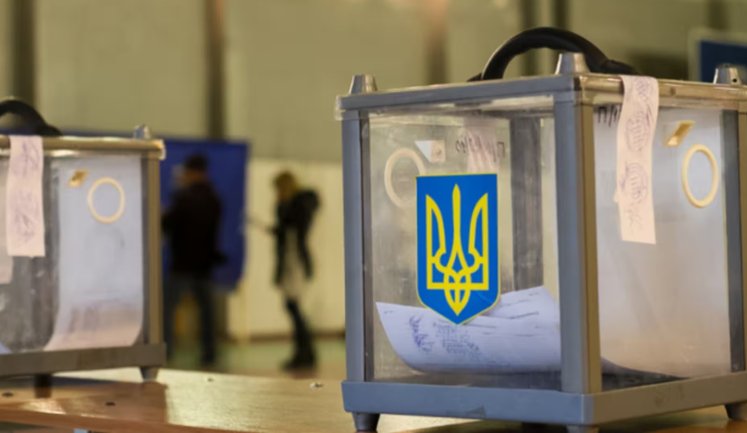
Ukraine has introduced legal changes to combat foreign influence in its politics by banning pro-Russian parties. This legislative move signifies Ukraine’s commitment to maintaining internal sovereignty and reducing external meddling in its political processes.
How are political party finances being scrutinized in Ukraine?
The National Agency for the Prevention of Corruption in Ukraine, under Oleksandr Novikov, has demanded political parties submit financial reports spanning the last four years. This initiative is part of a broader effort to ensure transparency and combat corruption in political funding.
What significant shift occurred in Ukraine's party ratings?
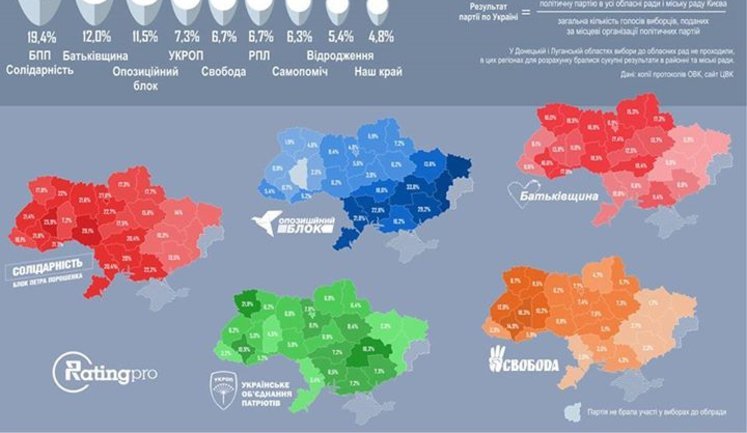
In Ukraine, the Servant of the People party, previously leading in popularity, has been overtaken by EuroSolidarity according to the latest poll results. This change reflects shifting public opinions and preferences within Ukraine's political landscape.