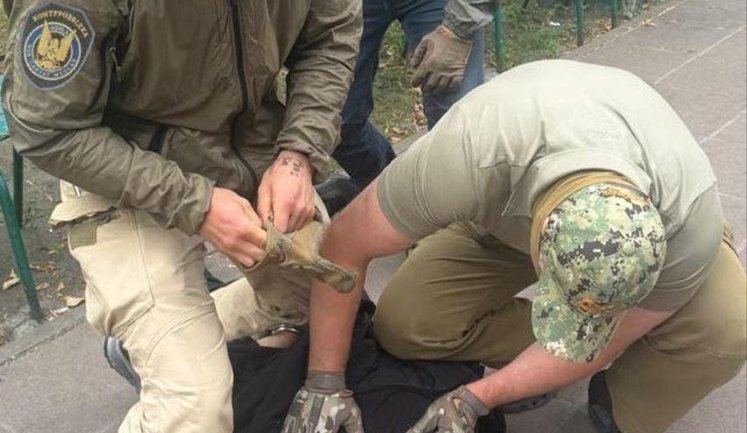
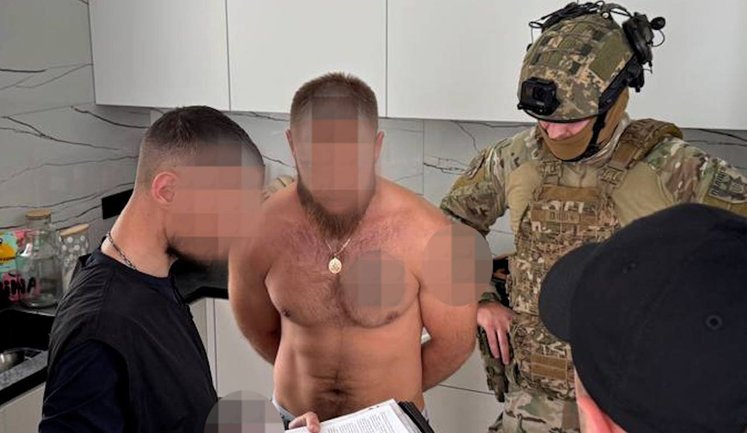
In 2026, assassination attempts have intensified globally, emphasizing the volatility in international affairs. Notable incidents include the attempt on Russian Aerospace Forces General Varpakhovich and similar plots against Ukrainian military and intelligence figures like Ihor Obolienskyi of Khartiia Corps. Authorities in Ukraine, Russia, and Poland have been particularly active in thwarting these threats, highlighting the persistent tension and danger faced by high-profile individuals. These assassination attempts, often tied to geopolitical motives, continue to challenge international security and diplomatic relations, reflecting growing global unrest and the critical need for enhanced protective measures.
What are the recent assassination attempts in Ukraine?
Recent attempts in Ukraine include plot against Ihor Obolienskyi, Khartiia Corps commander, and a thwarted assassination on a defence industry representative in Irpin. Ukrainian authorities have intensified efforts to prevent such attacks, collaborating with international forces and utilizing intelligence to apprehend the perpetrators involved. These events indicate an ongoing threat to key figures within Ukraine's political and military landscape.
How are international intelligence agencies responding to assassination plots?
International intelligence agencies actively collaborate to prevent assassination plots, focusing on collaborative intelligence sharing and coordinated security measures. Recent operations thwarted assassination attempts in Poland and Moscow, highlighting their role in global security efforts to address and mitigate threats against high-profile individuals. These initiatives are crucial to maintaining international stability and preventing escalation.
Who was targeted in the assassination attempt in Russia?
The assassination attempt in Russia targeted General Mykola Varpakhovich of the Russian Aerospace Forces. The incident underlines the persistent geopolitical tensions and the complex webs of retribution and political maneuvering. Such plots against military personnel showcase the critical need for comprehensive security strategies and international collaboration to safeguard against potential threats.
What motives are driving the assassination attempts in Ukraine?
The motives behind assassination attempts in Ukraine often revolve around strategic military influence, political destabilization, and direct retribution by opposing forces. They demonstrate ongoing geopolitical conflicts, with incidents frequently involving Russian intelligence operatives trying to disrupt Ukrainian leadership or instigate political turmoil. Understanding these motives helps shape countermeasures and security strategies effectively.
What was the response to the assassination plot against DIU personnel?
The response to the assassination plot against DIU personnel included coordinated preventive actions by the Ukrainian Security Service (SSU) and law enforcement. Intermediaries and those planning the attack were detained, showcasing Ukraine's proactive approach to national security and intelligence. These efforts aim to safeguard critical personnel and maintain stability within the governmental and defense structures of Ukraine.
How did the international community react to assassination attempts in Ukraine and Russia?
The international community remains vigilant and supportive of intelligence-sharing initiatives addressing assassination attempts in Ukraine and Russia. These efforts reflect a global consensus on prioritizing counterterrorism and protecting political and military figures. Collaborative security measures and diplomatic dialogues are actively leveraged to manage these threats and uphold international peace and security.
What preventative measures are in place against assassination attempts?
Preventative measures against assassination attempts include strengthened intelligence networks, international cooperation, and enhanced security protocols for high-risk individuals. Agencies focus on developing sophisticated early detection systems and rapid response capabilities. In cases like Ukraine, these actions emphasize the government's commitment to protecting key personnel and preserving national stability in a volatile geopolitical climate.