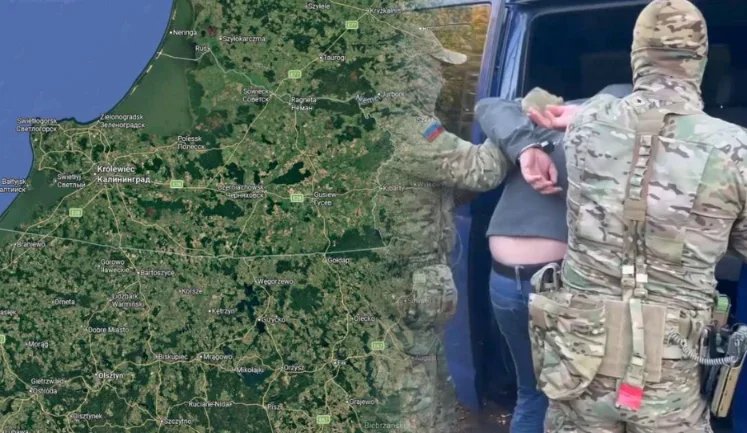
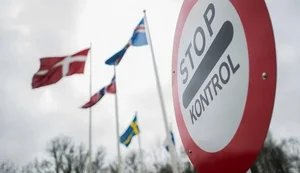
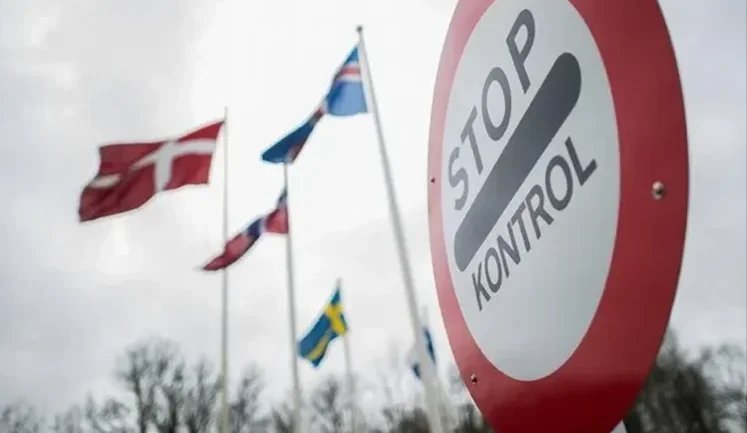
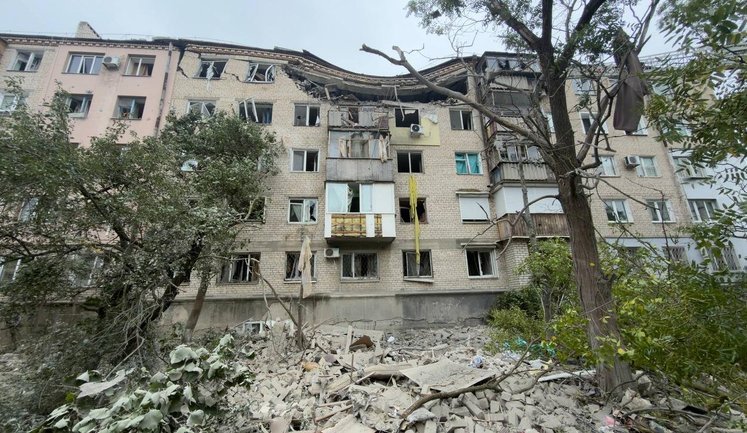
Russian provocations across Europe have heightened tensions with NATO, raising concerns about possible conflict escalation. Lithuanian President Nausėda and Polish officials have voiced their alarm over Moscow's aggressive actions, particularly regarding the use of captured Ukrainian drones for potential sabotage. The New York Times has reported on the risk these provocations pose, suggesting they could directly challenge NATO's resolve. Finland and Poland are on high alert, preparing for "unusual events" as Russia's aggression becomes more reckless. With increased acts of sabotage and misinformation campaigns, the Kremlin is testing the Alliance's boundaries, highlighting the urgency for a unified NATO response.
What are the recent Russian provocations in Europe?
Recent provocations include aggressive measures such as the use of drones for sabotage, hybrid warfare tactics, and misinformation campaigns. These actions primarily target NATO's eastern flank, creating strategic tensions in the region. Countries like Lithuania, Poland, and Finland have been particularly vocal about these threats.
Why does Russia use Ukrainian drones for provocations?
Russia uses captured Ukrainian drones as a tool for covert operations and to create plausible deniability. This strategy is part of Moscow's hybrid warfare tactics aimed at destabilizing NATO countries and testing the Alliance’s defensive capabilities without direct military engagement.
How is NATO responding to Russian provocations?
NATO is closely monitoring the situation, enhancing defensive measures, and improving intelligence-sharing among member states. The Alliance is also reinforcing its eastern borders and conducting military exercises to ensure readiness in the face of potential aggression from Russia.
What could trigger a direct conflict with NATO?
A direct conflict could be triggered if Russian provocations escalate into acts perceived as attacks on NATO member states. This includes actions such as armed incursions, significant cyberattacks, or events that threaten NATO countries' territorial integrity or sovereignty.
Why are hybrid attacks significant in Russian strategies?
Hybrid attacks allow Russia to engage in conflict below the threshold of open warfare, making it difficult for NATO to justify a military response. These tactics include cyberattacks, disinformation, and proxy warfare, enabling Russia to exert influence and destabilize targeted regions while avoiding full-scale confrontation.
How do Russian provocations affect European security?
Russian provocations undermine European security by creating instability and mistrust among nations. They divert resources and attention from other critical issues, increase the risk of miscalculation, and can lead to unintended escalations that threaten regional peace and stability.
What role does misinformation play in Russian provocations?
Misinformation plays a crucial role by sowing discord, influencing public opinion, and creating confusion. It aims to undermine confidence in government institutions and alliances like NATO, making it harder to form a cohesive response to Russian aggression.