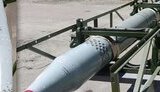
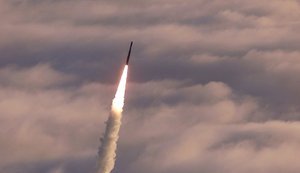
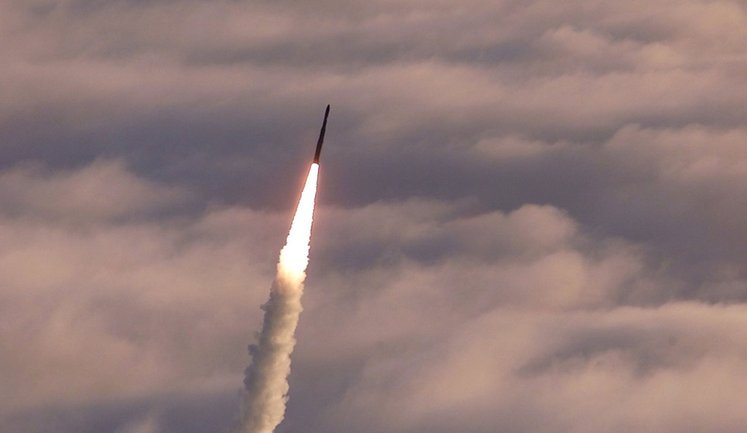
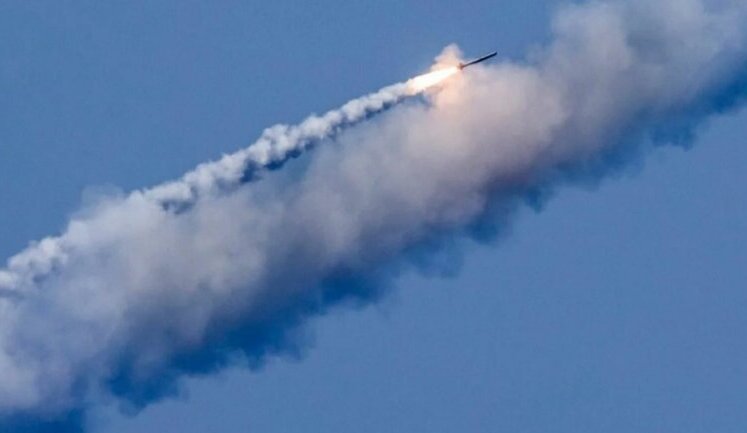
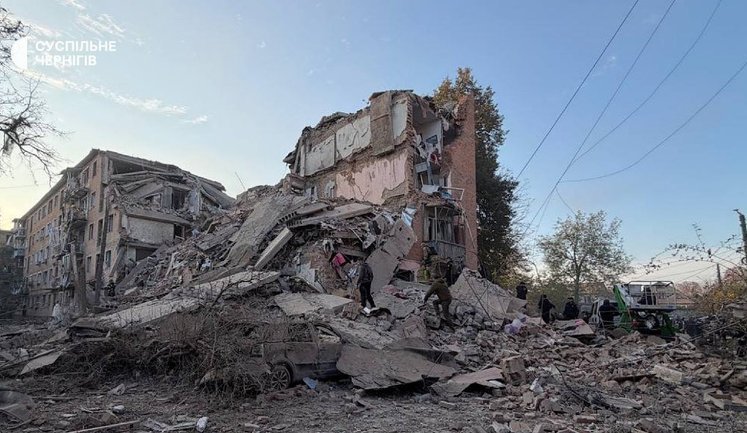
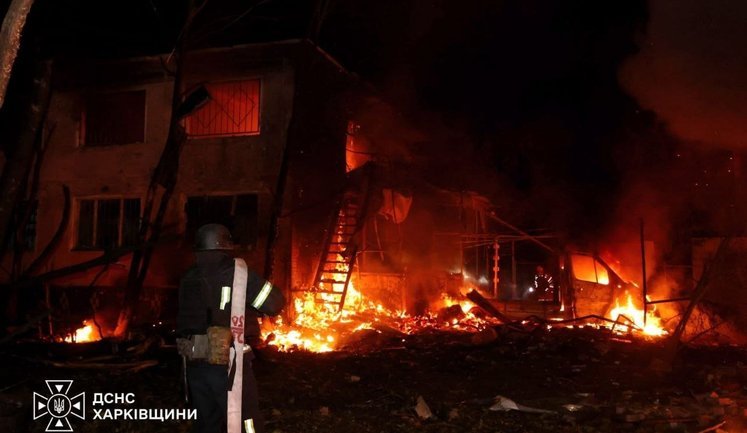
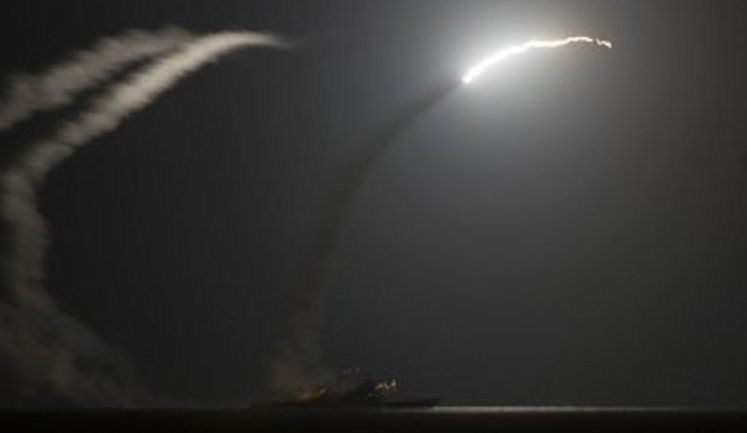
Ukraine faces continued rocket attacks as Russian forces deploy ballistic and air-to-ground missiles targeting major cities including Kyiv. Recent incidents involved unexploded missile warheads in residential areas, highlighting the severity of ongoing threats. Ukrainian President Zelenskyy confirmed the delivery of new NASAMS missiles, underscoring the importance of bolstering air defense systems. Meanwhile, negotiations for Patriot systems continue alongside new military aid packages from Western allies aimed at countering Russian assaults. These initiatives aim to enhance Ukraine's resilience against frequent strikes, ensuring civilian safety and infrastructure protection.
What types of missiles has Russia used against Ukraine recently?
Russia has launched various missiles, including ballistic, air-to-ground, and cruise missiles targeting Ukraine. The types include "Iskander," "Kalibr," and others, alongside numerous attack drones.
How is Ukraine enhancing its air defense against rocket attacks?
Ukraine is enhancing its air defenses by acquiring new missile batches for NASAMS and Patriot systems, negotiating military aid packages with international allies, and deploying additional air defense systems amid ongoing threats.
What challenges does Ukraine face with the Patriot missiles supply?
Ukraine struggles with a shortage of interceptor missiles for Patriot systems, prompting diplomatic efforts to secure sufficient supply. Partners have delayed decisions, impacting air defense effectiveness against ballistic threats.
What actions are international allies taking regarding missile support to Ukraine?
International allies, including the US, Canada, and EU member states, are pledging military aid, including missiles for Patriot systems. These measures aim to reinforce Ukraine's air defense capabilities amid ongoing Russian aggression.
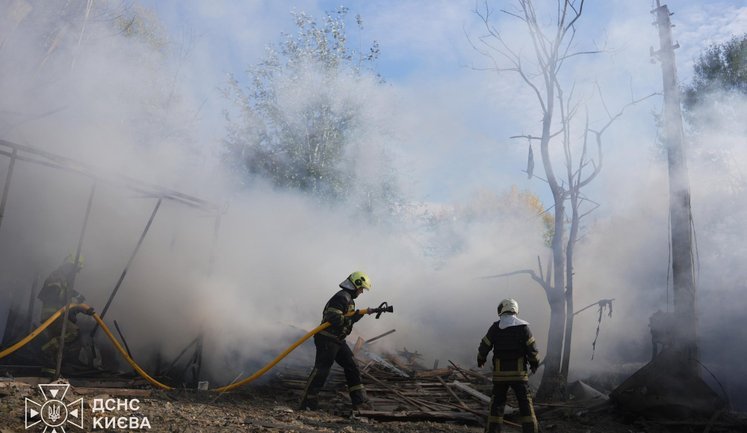
What impact have Russian missile attacks had on Ukraine's infrastructure?
Russian missile attacks have severely impacted Ukraine's infrastructure, causing damages to residential areas, business centers, and vital installations. Police and military units are actively working to defuse unexploded ordnances and restore security.