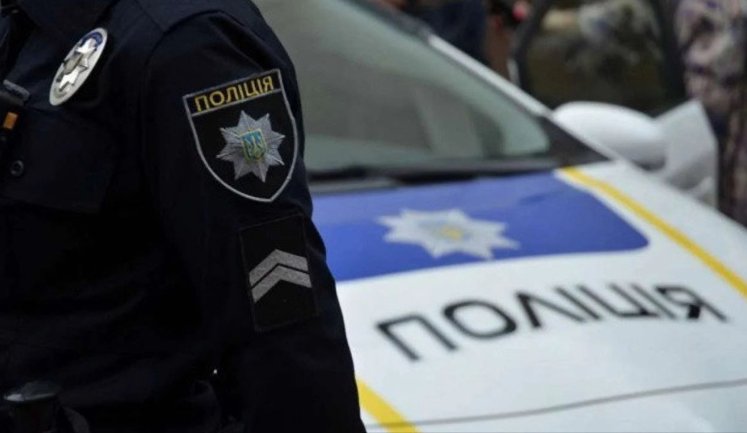
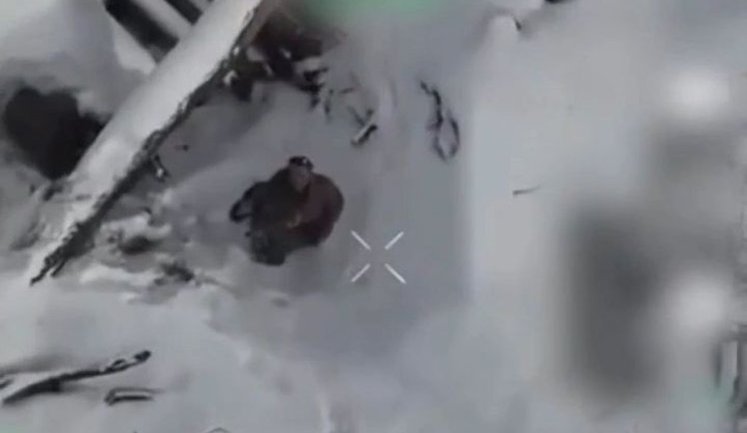
The recent events demonstrate how deeply religion and conflict intertwine in Ukraine. From occupiers praying before drones to debates on religious exemptions from military service, the tension reflects broader societal divides. The Supreme Court's stance reinforces the idea that religious beliefs cannot exempt citizens from military duty. Meanwhile, President Zelenskyy's comments signal a shift in Ukraine's religious landscape, particularly with the Ukrainian Orthodox Church of the Moscow Patriarchate (UOC-MP). The strained relations with the Russian Orthodox Church further complicate Ukraine's religious and national identity. As Ukraine faces these challenges, religious dynamics continue to play a critical role in shaping the country's future under martial law.
How does martial law impact religious duties in Ukraine?
Under martial law, the Ukrainian Supreme Court ruled that religious beliefs, including those of Jehovah's Witnesses, do not exempt individuals from military service. This decision underscores the prioritization of national defense responsibilities during times of conflict.
What is the role of the Ukrainian Orthodox Church in the current conflict?
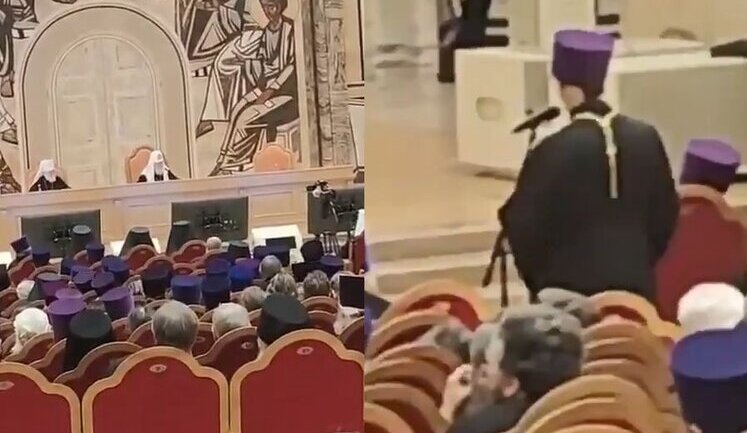
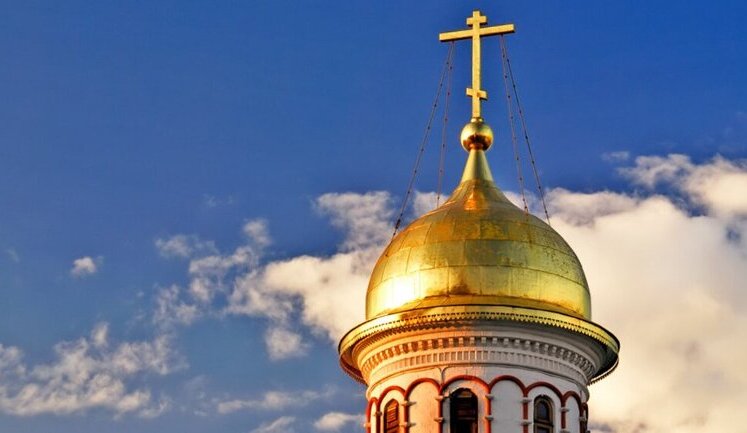
The Ukrainian Orthodox Church, particularly the Moscow Patriarchate's branch, faces scrutiny and decreasing influence amid the conflict. President Zelenskyy has indicated a shift away from this church, reflecting broader societal changes and geopolitical tensions with Russia.
What are the legal implications for priests refusing military service?
In cases where priests, like those from Jehovah's Witnesses, refuse military service due to religious convictions, they face legal consequences, such as imprisonment, highlighting the tension between religious freedom and national service obligations under martial law.
How does religion influence public perceptions of the war?
Religion plays a significant role in shaping public perception, as seen through various incidents, including stand-up comedian remarks and religious leaders' statements. These events spark debates on nationalism, patriotism, and the ethics of warfare in the public domain.
What actions have religious communities taken during the conflict?
Religious communities in Ukraine have engaged in both activism and resistance. Instances include the seizure of religious sites by supporters of the Russian Orthodox Church and statements made by priests challenging nationalist ideologies, demonstrating diverse responses to the conflict.