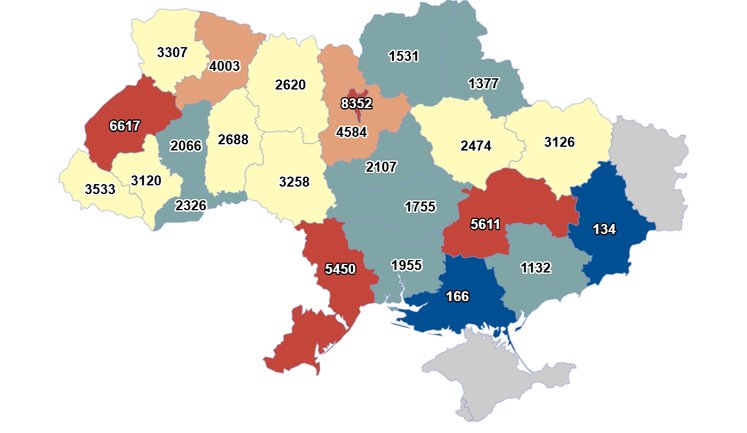
The birthrate in Ukraine has reached critical lows, with a recent report from OpenDataBot indicating a death rate four times higher than the birthrate. In 2026, 73,292 children were born, yet 259,853 deaths were recorded, marking a significant demographic crisis. Ukraine has been experiencing a steady decline in birthrate by 7% annually since 2013, accompanied by a high mortality rate. Russia faces a similar demographic dilemma, with the FIS reporting a deepening crisis akin to those in the 1990s and 2000s. The lack of monthly demographic data publications by Russian authorities exacerbates concerns. Both countries are urged to implement policies addressing these demographic challenges to ensure sustainable futures.
What is the current birthrate situation in Ukraine?
Ukraine's birthrate is dire, with recent figures showing a significant imbalance. In 2026, the death rate was four times the birthrate, highlighting a deepening demographic crisis. Initiatives are required to reverse this trend.
How has Ukraine's birthrate changed over recent years?
Ukraine's birthrate has been declining steadily by about 7% annually since 2013. This decline, coupled with increasing mortality rates, demands urgent attention to mitigate the impending demographic crisis.
What demographic challenges does Russia face?
Russia is experiencing a severe demographic crisis, with trends suggesting a phase more critical than previous decades. The lack of transparency in demographic data reporting exacerbates concerns about population stability.
Why are birthrate and mortality statistics not published in Russia?
The Russian government has ceased publishing monthly demographic statistics, raising concerns over their potentially severe implications. This lack of data transparency can hinder potential corrective measures in addressing the crisis.
What are potential solutions for the demographic crisis in Ukraine and Russia?
Addressing this crisis involves implementing comprehensive policies that promote higher birthrates, such as financial incentives for families, improved healthcare access, and educational campaigns on family planning and health.