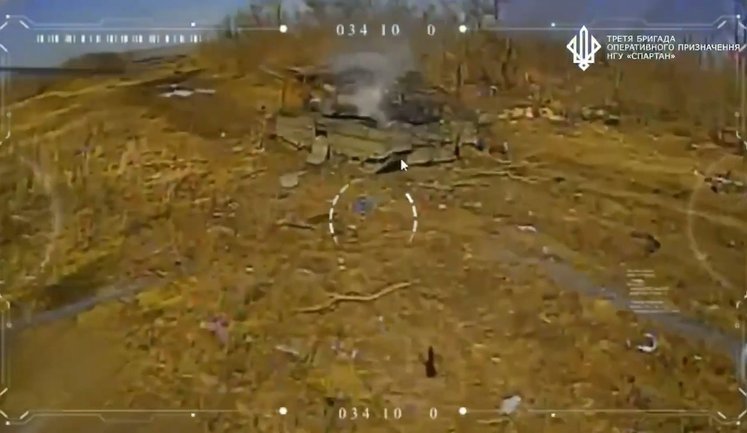
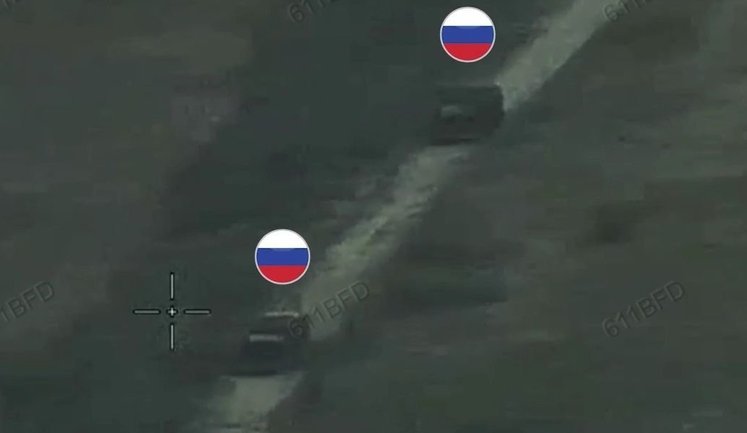
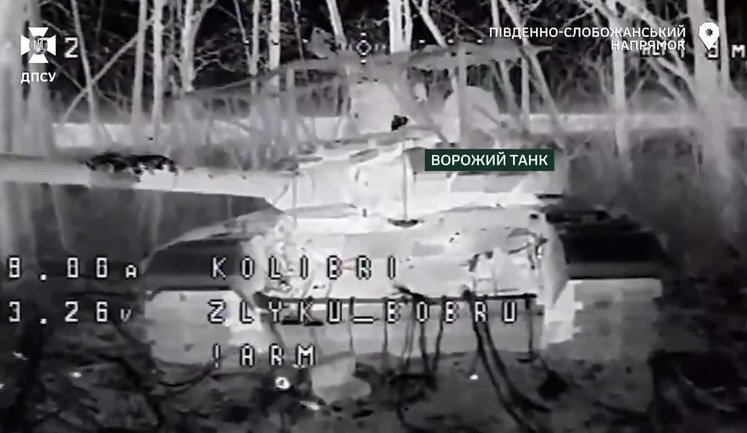
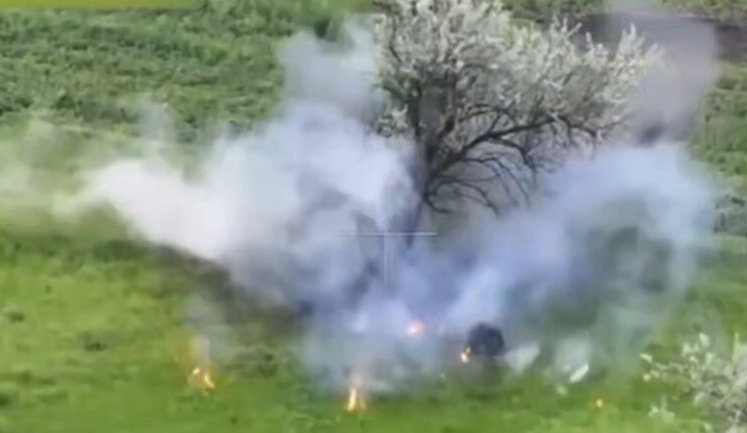
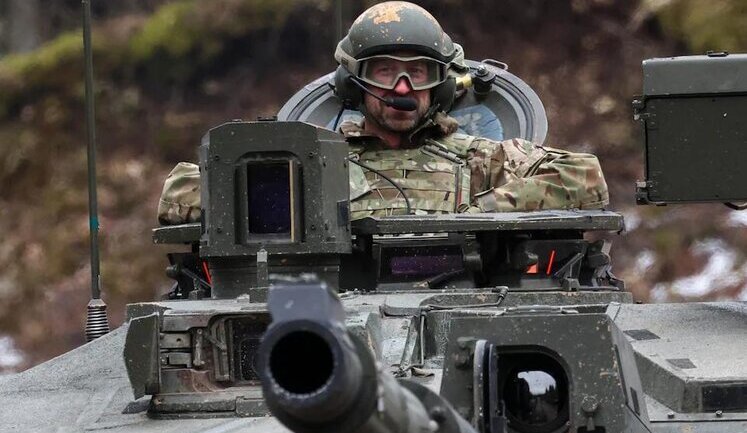
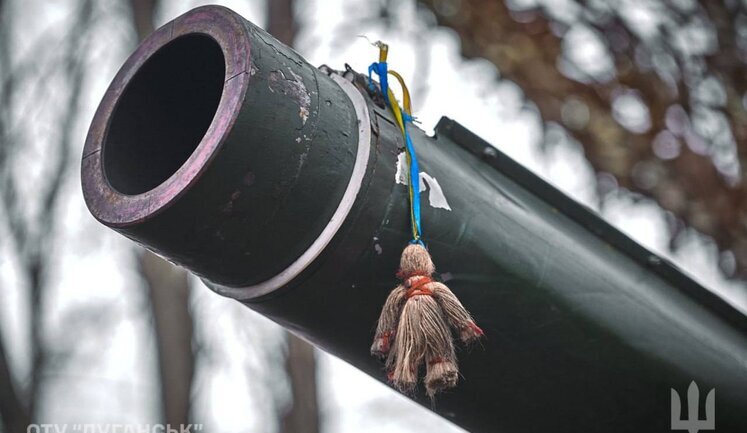
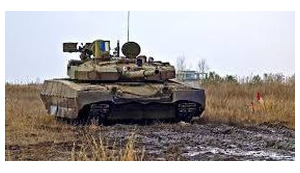
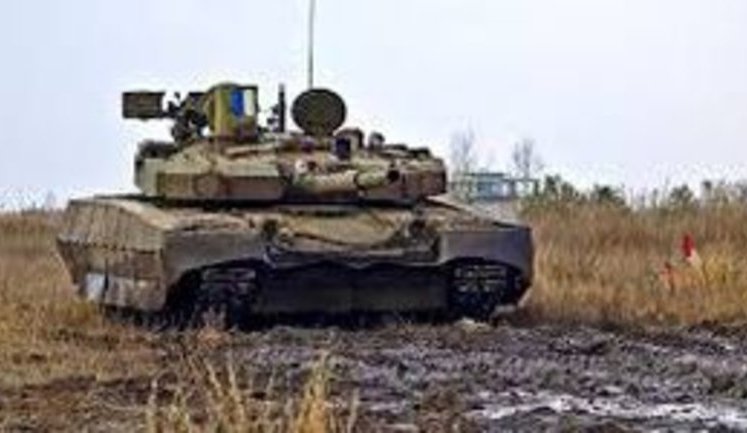
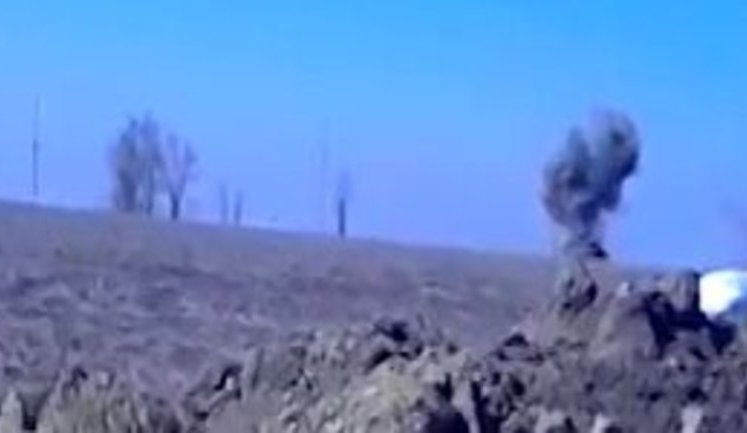
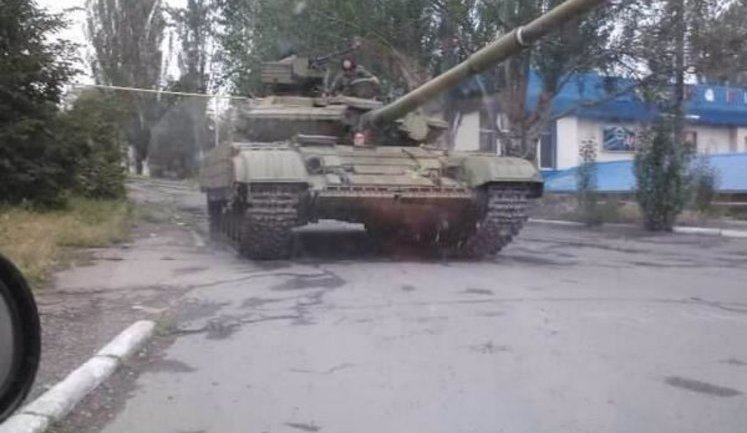
Ukrainian forces have shown exceptional skill in combating Russian tanks this year. In Kostiantynivka, the 28th Mechanised Brigade successfully repulsed a multi-directional assault. Border guards from the "Hart" brigade destroyed an enemy tank in the Southern Slobozhanskyi sector. In the Donetsk region, the "Phoenix" USF unit targeted Russian tanks and logistical structures. Drone operators from multiple brigades, including the 25th Air Assault Brigade and the 77th Air Assault Forces brigade, have actively destroyed camouflaged Russian tanks. This success highlights the vital role of drones and coordinated military strategies in countering Russian armored threats.
What tactics are Ukrainian forces using to combat Russian tanks?
Ukrainian forces employ a combination of direct assaults, strategic use of drones, and coordination between ground troops and aerial units. This multifaceted strategy has proven effective in destroying numerous Russian tanks, including camouflaged and heavily defended units.
How have drones influenced the tank warfare in Ukraine?
Drones have significantly altered the dynamics of tank warfare in Ukraine. They provide real-time reconnaissance, target identification, and can carry out precise strikes on tanks. Units like the Phoenix and 77th Brigade have effectively dismantled enemy tanks using drones, showcasing the technology's tactical advantages.
Which Ukrainian military units are involved in these tank battles?
Several Ukrainian units, such as the 28th Separate Mechanised Brigade, 25th Air Assault Brigade, and the Phoenix USF unit, actively partake in tank combat. These units, along with border guards and drone operators, collaborate in operations against Russian tank formations.
What role does coordination play in Ukraine's tank combat strategy?
Coordination is crucial in Ukraine's tank combat strategy. Successful operations often involve joint efforts between mechanised units, drone operators, and border forces. This collaboration ensures synchronized attacks, maximizes impact, and efficiently neutralizes enemy threats.
Have any specific Russian tanks posed a significant challenge?
Russian tanks equipped with improvised protection, like "hedgehog tanks", have posed challenges. However, Ukrainian tactics and advanced drone technology have mitigated these threats, allowing for effective neutralization of even well-defended Russian military assets.
What impact has the destruction of Russian tanks had on the overall conflict?
The systematic destruction of Russian tanks has disrupted enemy logistics and weakened their offensive capabilities. It has also bolstered Ukrainian morale and showcases the effectiveness of modern warfare techniques integrating technology and traditional military strategy.