The concept of boycott has been a significant tool in international relations and politics, particularly in the context of sanctions and protest actions. Recently, the Ukrainian national team decided to boycott the 2025 World Judo Championships due to Belarus being allowed to compete with state symbols, showcasing Ukraine's strategic use of boycott as a protest tool. Furthermore, during the World Conference of Speakers of Parliaments in Geneva, many parliamentarians walked out during a speech by sanctioned Russian official Valentina Matviyenko. These actions reflect the growing trend of utilizing boycotts to make political statements on a global stage. Meanwhile, discussions have emerged within the UN Security Council about boycotting meetings under Russia’s presidency, emphasizing the ongoing geopolitical tensions.
What led to Ukraine's boycott of the 2025 World Judo Championships?
Ukraine's decision to boycott the 2025 World Judo Championships stems from the International Judo Federation's choice to permit Belarus to compete under its state symbols. This move was seen as politically contentious, prompting Ukraine to use its participation as leverage in protest against this decision, underscoring their stance on international political issues.
How did international parliamentarians respond during Matviyenko's speech?
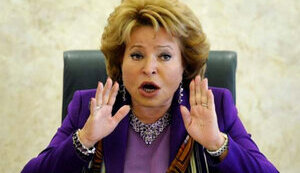
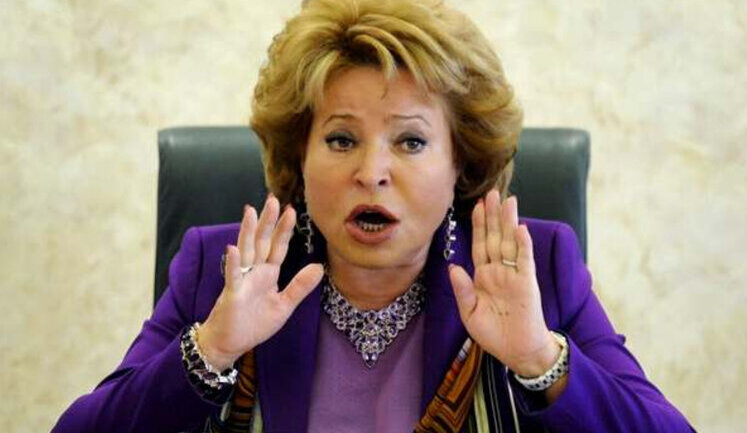
During Matviyenko's speech at the World Conference of Speakers of Parliaments in Geneva, parliamentarians from various countries chose to walk out. This collective action was a form of protest against Matviyenko's sanctioned status, highlighting international disapproval and boycott as a method to express political dissent and challenge sanctioned individuals.
What is the significance of using boycotts in international politics?
Boycotts in international politics serve as a non-violent method to apply pressure, signal disapproval, and influence political decisions. They are strategic tools that can isolate individuals or nations deemed as violating international norms, thus leveraging collective action to drive change or make strong political statements without resorting to conflict.
Why is the UN Security Council considering boycotts under Russia's presidency?
The UN Security Council's consideration to boycott meetings under Russia's presidency reflects ongoing geopolitical tensions and dissent against Russia's actions on the global stage. Such boycotts are intended to undermine legitimacy and express international disapproval, serving as critical diplomatic tools in addressing perceived injustices and conflicts.
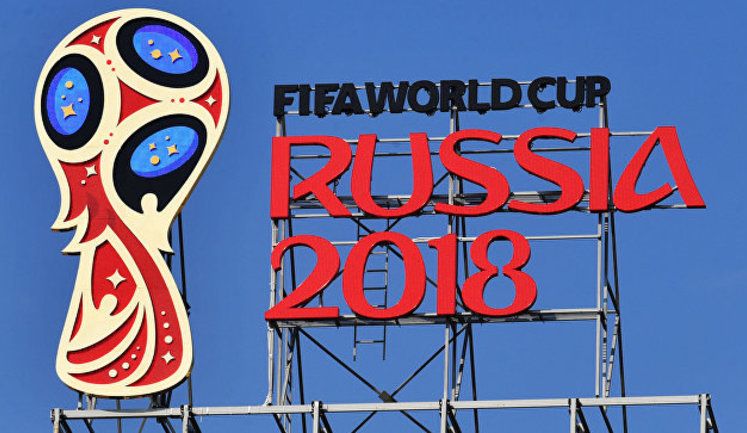
What impact did the call for a boycott have on the FIFA World Cup in Russia?
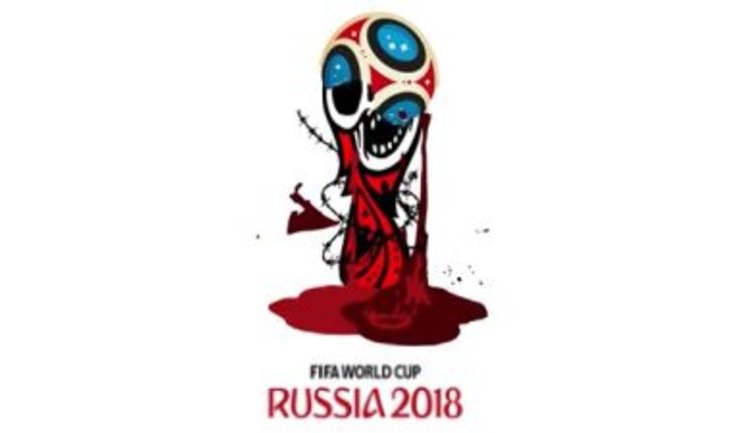
The call for a boycott of the FIFA World Cup in Russia was significant in raising awareness and mobilizing opposition against the event due to political tensions and alleged misconduct by the hosting nation. These calls aimed to apply international pressure and highlight the moral and ethical considerations in sports diplomacy, though their immediate impact on the event's execution was limited.