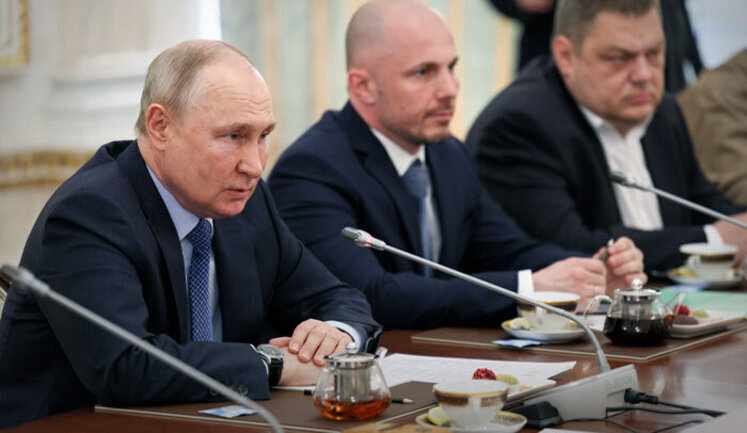
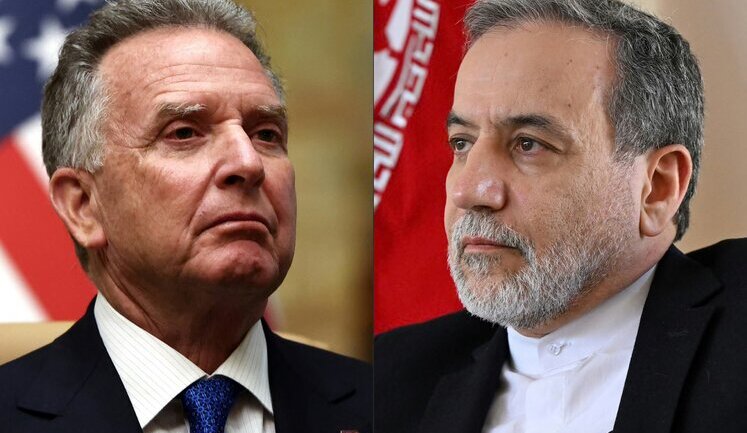
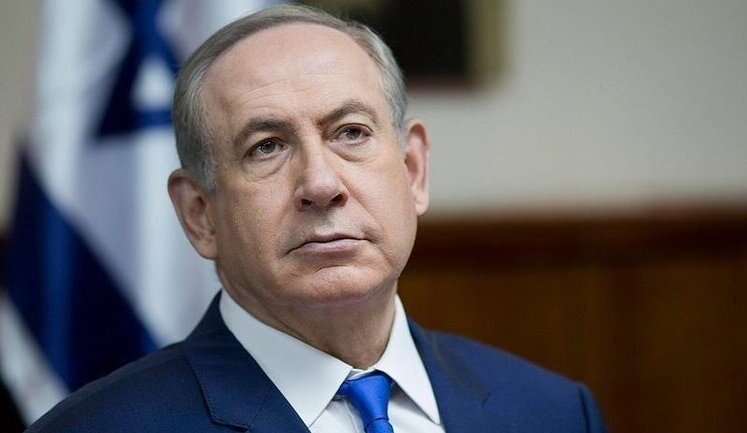
Iran's determination to maintain its uranium enrichment capabilities has been a focal point in international diplomacy, with Iranian Foreign Minister Abbas Araghchi affirming that this right is non-negotiable as discussions with the US persist. Amidst these diplomatic maneuvers, the US has proposed that Iran transfer its enriched uranium stockpile to Russia, aiming to curb the nuclear threat posed by Tehran's program. In related developments, the potential movement of depleted uranium shells into Ukraine has stirred geopolitical waters, with Russia asserting its right to use such munitions amidst ongoing tensions. These events underscore the complex dynamics surrounding uranium enrichment and usage as countries navigate the intricate balance of power in 2025.
Why is Iran's right to enrich uranium controversial?
Iran's uranium enrichment is controversial due to its potential to create nuclear weapons, raising global security concerns. Despite Iran's claim for peaceful purposes, mistrust exists over its intentions, prompting international negotiations to ensure compliance with nuclear agreements.
How does uranium enrichment impact global diplomacy?
Uranium enrichment significantly impacts global diplomacy as it intersects with nuclear non-proliferation efforts and regional security dynamics. Countries with such capabilities can influence geopolitical balance, prompting diplomatic discussions to prevent nuclear arms proliferation and ensure stability.
What are the implications of transferring uranium stockpiles?
Transferring uranium stockpiles, as proposed by the US to Iran, would aim to limit weapons-grade potential and reinforce peaceful programs. It is a diplomatic measure to enhance trust, reduce proliferation risks, and encourage compliance with international nuclear agreements.
What is depleted uranium and how is it used in conflict?
Depleted uranium is a heavy metal with high density used in military applications, notably in armor-piercing ammunition. Its use in conflict raises health and environmental concerns due to its radioactive properties, leading to debates over its legality and ethical implications in warfare.
How does the US-Iran nuclear discussion affect international relations?
The US-Iran nuclear discussions are pivotal for international relations as they influence regional power dynamics, nuclear non-proliferation policies, and diplomatic ties between Western and Middle Eastern nations. Successful negotiations could stabilize tensions, while failures might escalate conflicts.
What role does Russia play in the Iran-US uranium talks?
Russia plays a mediating role in the Iran-US uranium talks, potentially serving as a destination for Iran's enriched uranium as part of a diplomatic solution. This involvement underscores Russia's strategic influence and interest in maintaining regional stability and nuclear non-proliferation commitments.