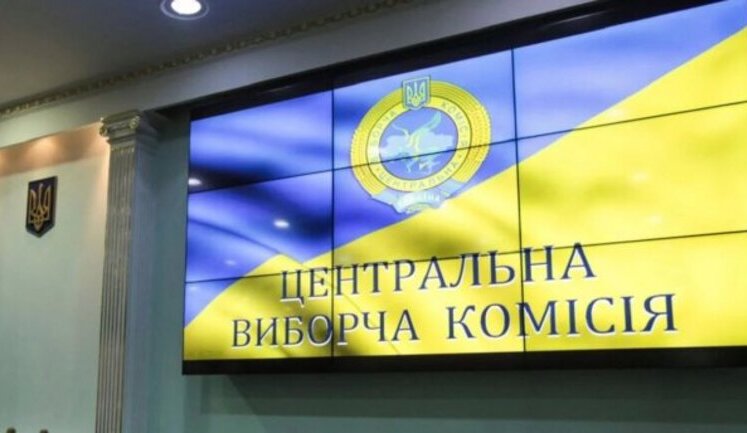
The Central Election Commission (CEC) in Ukraine plays a crucial role in managing and adapting electoral processes. It recently announced potential changes to the "United News" telethon format in light of possible elections, demonstrating its agility. The CEC resumed work on the State Register of Voters, marking a significant milestone since the Russian invasion. Moreover, the commission highlights the necessity for new laws to facilitate post-war elections, ensuring readiness for democratic processes post-martial law. The CEC also provides key updates on the discontinuation of powers for certain officials, reflecting on citizenship changes and the extension of powers amid martial law. These updates underline the CEC's commitment to maintaining electoral integrity in challenging times.
What changes are anticipated in the election telethon format by the CEC?
The CEC anticipates revising and adapting the "United News" telethon format to accommodate the unique requirements that arise if elections are held. This flexibility is crucial to maintain transparency and efficient voter engagement during electoral events.
Why has the CEC resumed work on the State Register of Voters?
The resumption of work on the State Register of Voters by the CEC is a critical step in preparing for future elections. It signifies efforts to ensure voter data is current and ready for use in electoral processes, despite disruptions caused by the ongoing conflict.
What actions will be taken following the revocation of Hennadii Trukhanov’s citizenship?
Upon the Odesa City Council receiving the decree revoking Hennadii Trukhanov's citizenship, his mayoral powers will be terminated. The duties will be temporarily managed by the city council secretary to ensure continuity of governance.
How does the CEC plan to address elections post-martial law?
The CEC, through statements by its chair, emphasizes the need for new legislation to enable elections once martial law is lifted. This legislative framework is essential to navigate post-war electoral challenges and ensure the democratic process resumes seamlessly.
What is the current stance of the CEC on local elections during martial law?
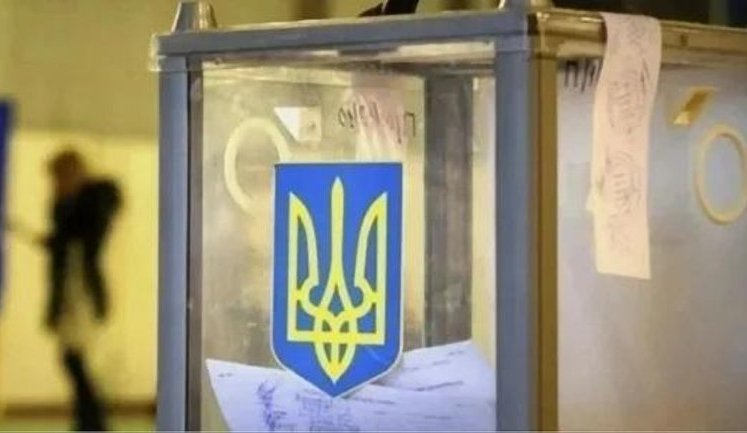
The CEC has decided that local elections, originally scheduled for October 2025, will not proceed due to ongoing martial law. This decision underscores the Commission’s priority to ensure elections occur in a stable and secure environment.
How are the authority extensions for President Zelensky addressed under martial law conditions?
Under the martial law conditions, President Zelensky’s powers are extended, as indicated by the CEC. This extension ensures continuous executive leadership and the stability of governance during extraordinary circumstances.