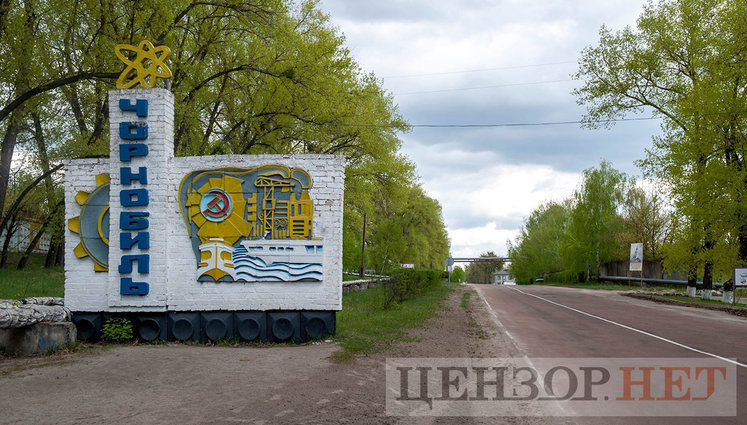
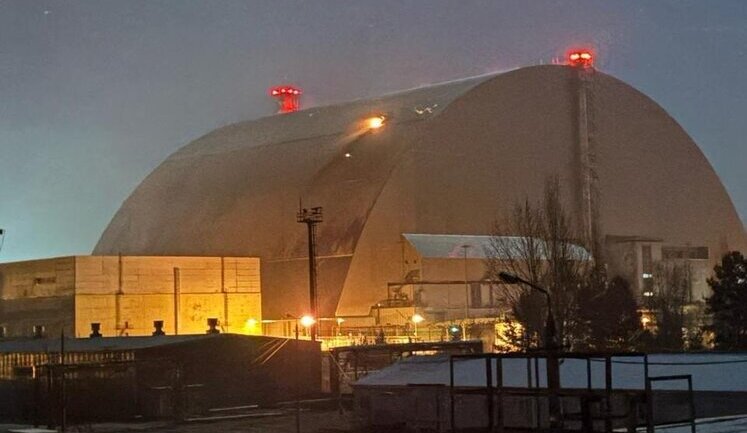
The Chornobyl region in Ukraine remains a focal point for environmental and geopolitical challenges. Recent investigations unveiled the illegal use of radiation-contaminated land by farmers in the Zhytomyr region, highlighting the ongoing risks of agricultural activities on tainted soils. In parallel, Norway reported elevated radiation levels possibly linked to forest fires near Chornobyl, emphasizing the transboundary impacts of such incidents. Meanwhile, Ukrainian leaders continue to honor the memory of those who rectified the consequences of the Chornobyl disaster. The Chornobyl Exclusion Zone also faces issues of militarization and destruction of archives by occupying forces, complicating efforts for conservation and remembrance. As fires sporadically erupt in the region, Ukraine's emergency services have been pivotal in containing potential hazards, striving to manage and mitigate further environmental risks in this historically significant locale.
What recent illegal activities were uncovered in the Zhytomyr region related to Chornobyl?
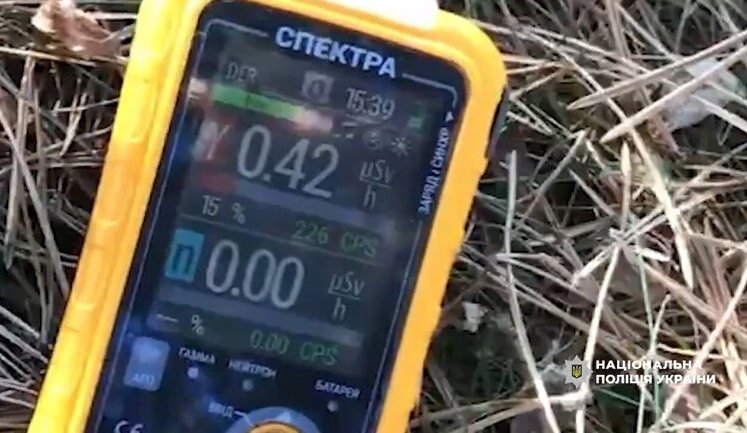
Authorities discovered a criminal group exploiting radiation-contaminated land for agricultural production near Zhytomyr. This illegal activity endangers public health and violates safety regulations imposed in the aftermath of the Chornobyl disaster, reflecting the ongoing challenges in monitoring and enforcing exclusion zone boundaries in Ukraine.
How is the current radiation level situation near the Chornobyl area affecting neighboring countries?
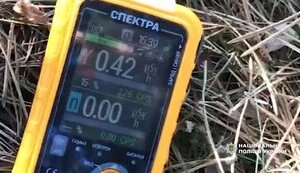
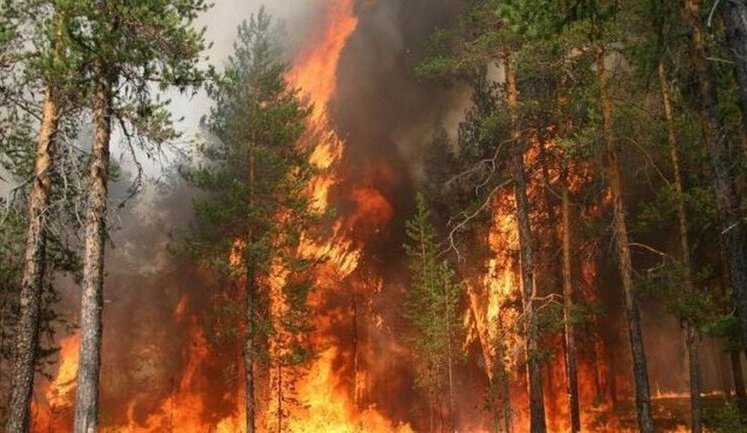
Norway reported increased radiation levels near its border with Russia, suspected to be from forest fires in the Chornobyl region. This indicates how environmental incidents in Chornobyl can have transnational implications, prompting nearby countries to remain vigilant in monitoring radiological conditions and their potential cross-border impacts.
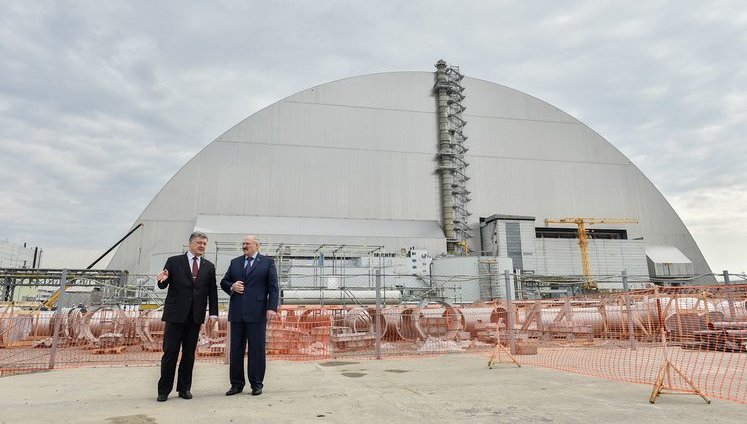
What are the ongoing efforts to honor the legacy of Chornobyl liquidators?
Ukraine commemorates the efforts of those involved in mitigating the Chornobyl disaster by holding annual ceremonies and dedicating initiatives to ensure their heroics are remembered. This reinforces national commitments to acknowledge and learn from past nuclear mishaps while ensuring the safety and remembrance of those affected.
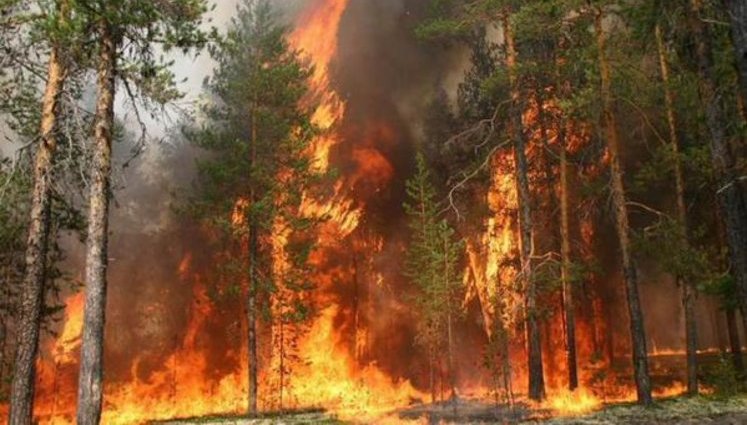
What are the consequences of the current fires in the Chornobyl Exclusion Zone?
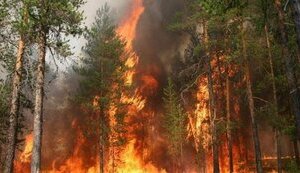
The fires in the Chornobyl Exclusion Zone pose environmental hazards, including the potential release of radioactive particles trapped in vegetation. Emergency services actively work to extinguish these fires, ensuring they don't exacerbate radiation spread, thus protecting surrounding areas and reducing further ecological damage.
How have the geopolitical tensions affected the Chornobyl Exclusion Zone recently?
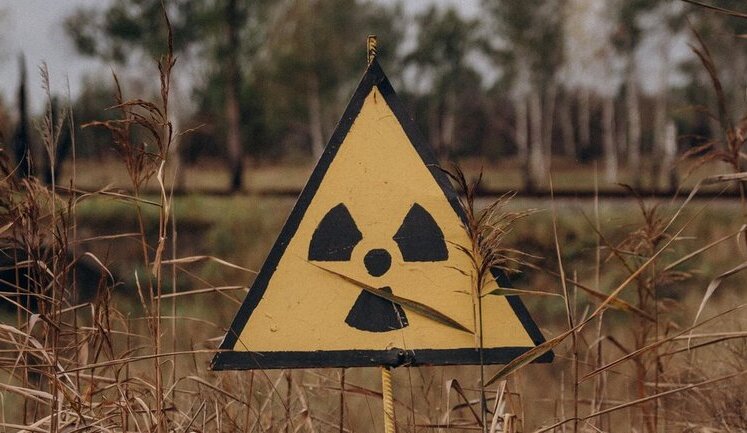
Geopolitical tensions have led to the militarization of the Chornobyl Exclusion Zone, with Russian troops reported to be active in the area. This activity has resulted in the destruction of crucial archives and posed additional challenges to maintaining the integrity and safety of the exclusion zone, complicating both ecological management and historical conservation efforts.