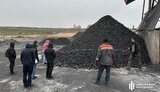
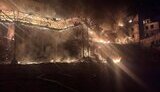
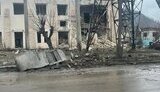
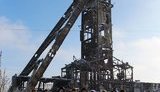
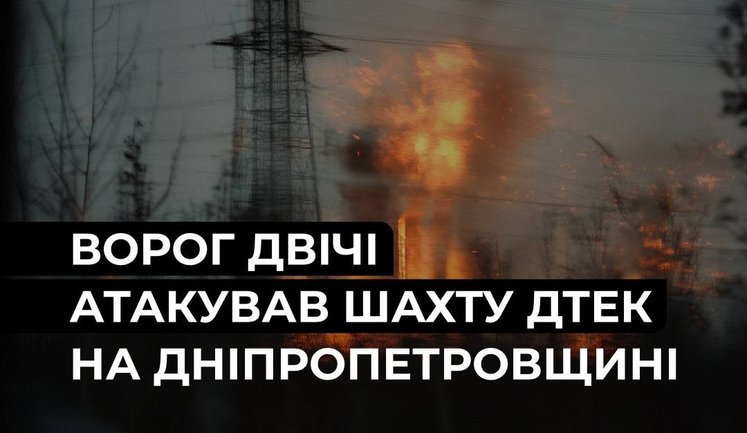
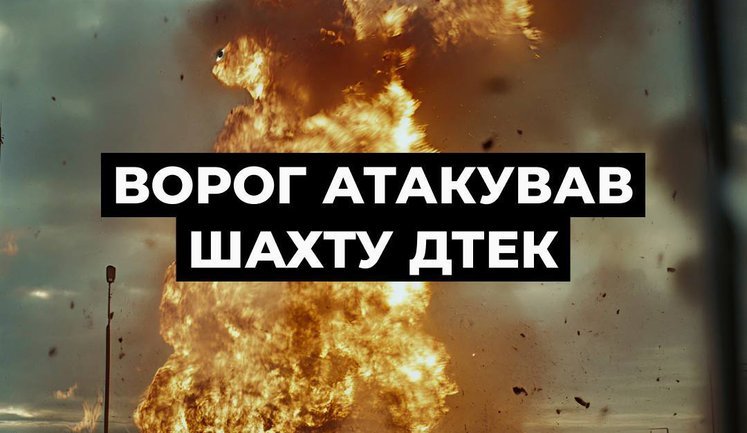
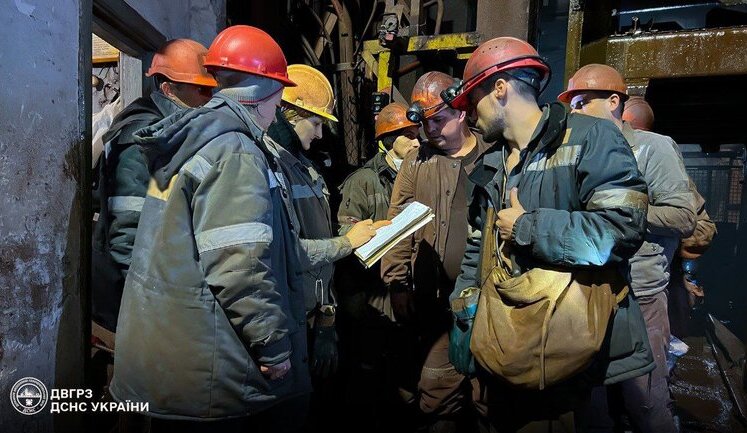
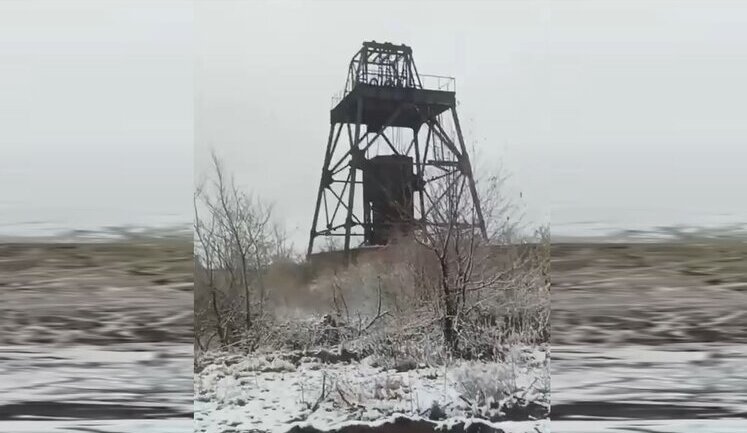
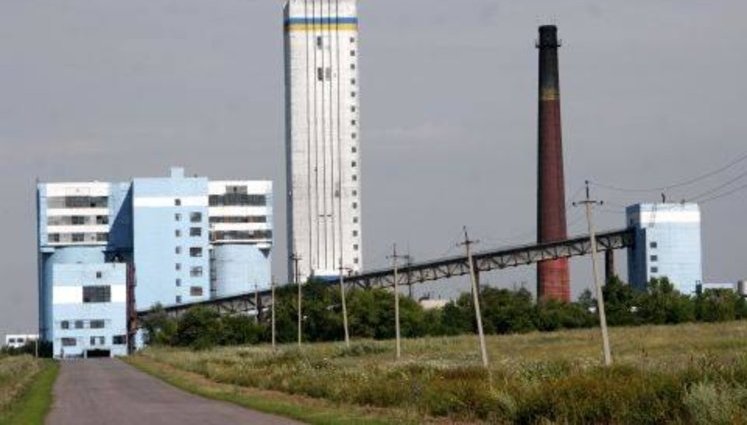
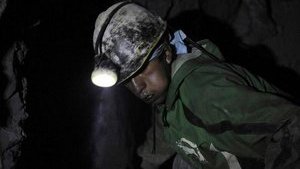
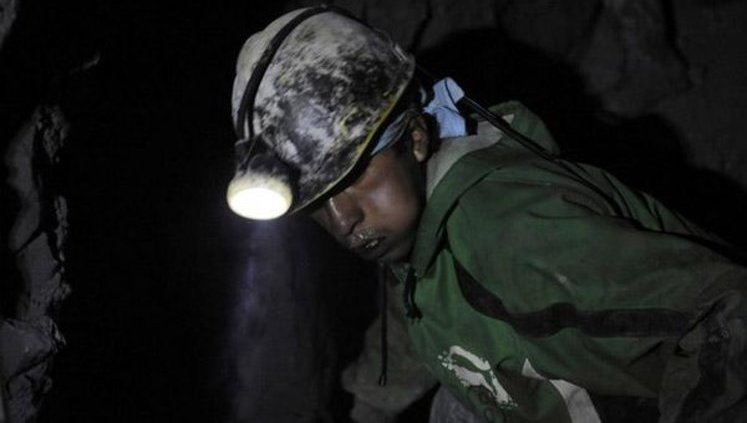
Ukraine's mining sector faces severe disruptions due to the ongoing conflict. Russian forces have repeatedly targeted mines, with the latest attack on a DTEK mine in Dnipropetrovsk leaving almost 500 miners trapped underground. Additionally, illegal coal extraction in the Donetsk region caused over UAH 5 billion in state damages, highlighting the extent of the crisis. Mines in Pokrovsk have ceased coking coal production due to approaching threats, significantly impacting Ukraine's metallurgical industry. Rescue operations have been vital, as seen when 135 miners were freed after being trapped in a Dnipropetrovsk mine. Occupied regions experience looting, privatization plans, and delayed salaries, further exacerbating tensions. These events illustrate the complex challenges and economic pressures faced by Ukraine's mining industry in turbulent times.
What are the main challenges facing Ukraine's mining industry in 2025?
The main challenges include frequent attacks by Russian forces, leading to mine closures and loss of life. Additionally, illegal mining practices are causing significant financial damage to the state. These disruptions have a detrimental impact on the economy, particularly the metallurgical sector, which relies on consistent coal supply.
How have recent conflicts affected coal production in Ukraine?
Recent conflicts have severely disrupted coal production in Ukraine. In particular, the Dnipropetrovsk and Donetsk regions have seen frequent attacks, leading to shutdowns of mining operations and threatening the stability of coal supply to the country's key industries.
What measures are being taken to protect miners in conflict zones?
The Ukrainian government and rescue teams are actively working to protect miners in conflict zones. Measures include evacuation plans, rescue operations following attacks, and increased safety protocols to ensure miners' safety amid ongoing tensions and hostile activities.
What economic consequences arise from the illegal extraction of coal in Ukraine?
Illegal coal extraction has resulted in significant financial losses for Ukraine, with one instance alone causing over UAH 5 billion in damages. This practice not only affects the economy by reducing lawful tax revenues but also endangers the future sustainability of coal reserves and the livelihoods of legal mining operations.
How are the ongoing attacks impacting Ukraine's metallurgical industry?
Ukraine's metallurgical industry is heavily dependent on consistent coal supplies, which have been disrupted due to attacks on mines, particularly in strategic regions like Pokrovsk. These disruptions threaten the industry's production capacity and export potential, intensifying economic pressures amid the conflict.
What role does the National Resistance Centre play in addressing mine privatization?
The National Resistance Centre actively monitors and reports illicit activities in occupied territories, such as unauthorized privatization efforts by Russian forces. It serves as a critical watchdog, aiming to protect Ukrainian resources and ensure that illegal acts do not go unchallenged, despite the challenging circumstances.
What is being done to address delayed salaries for miners in occupied regions?
Efforts to address delayed miner salaries include advocacy by organizations like the National Resistance Centre and negotiations at various administrative levels. The aim is to secure a stable flow of financial resources to support miners and stabilize livelihoods in post-conflict recovery phases.
How does illegal mining impact environmental stability in Ukraine?
Illegal mining exacerbates environmental degradation, disrupting ecosystems and water systems due to unregulated extraction practices. The resulting destabilization poses long-term threats to both natural resources and agricultural lands, complicating Ukraine's efforts to ensure sustainable environmental management.