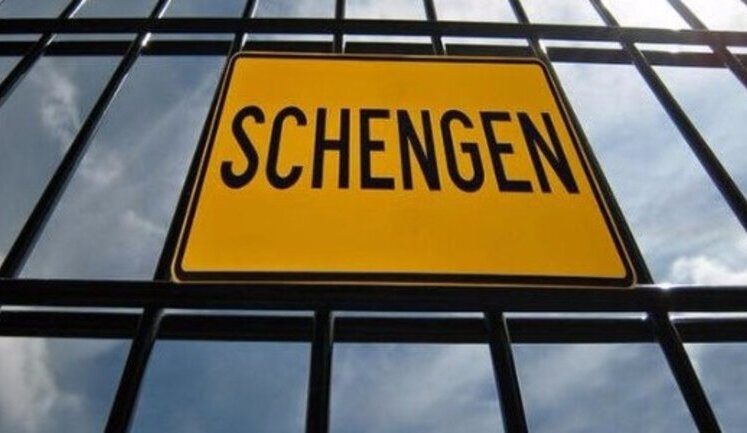
The European Union is considering significant changes to the Schengen area in response to ongoing geopolitical tensions involving Russia. Key EU states, including the Baltic nations and Poland, are actively discussing measures to restrict or ban entry for Russian military personnel. These discussions aim to enhance EU security and address growing concerns over military and diplomatic activities. Additionally, the EU is evaluating a 'military Schengen' to expedite troop movements across member states, reflecting an increased focus on collective defense strategies. As these measures unfold, they could reshape travel dynamics and military cooperations within Europe.
What is the proposed ban on Russian military in Schengen about?
The proposed ban aims to restrict entry into the Schengen area for individuals who have served or are currently serving in the Russian military. This measure is intended to enhance security within the EU, as tensions with Russia remain high due to ongoing conflicts and diplomatic concerns. By limiting access, the EU hopes to mitigate potential security threats.
How does the EU plan to manage military mobility across member states?
The European Commission has proposed a military mobility package that would create a sort of 'military Schengen area.' This plan is designed to ensure the rapid and unhindered movement of troops and military equipment across the European Union, improving readiness and response times in case of military needs.
Why is there a focus on tightening visa rules for Russians by the EU?
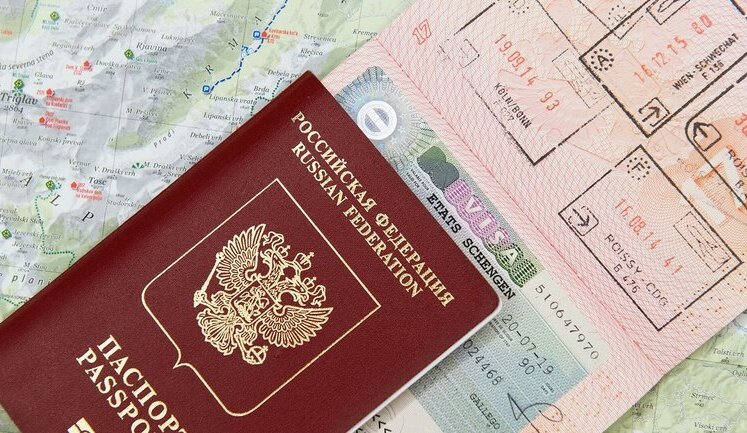
The European Union is considering tightening visa rules for Russian citizens as part of broader sanctions and security measures. This includes potentially terminating multiple-entry visas and imposing stricter issuance protocols to reduce risks associated with espionage or destabilizing activities within EU borders.
Which EU countries are leading the call for Schengen restrictions on Russians?
Countries such as Estonia, Latvia, Lithuania, and Poland are at the forefront of advocating for Schengen area restrictions on individuals associated with the Russian military. These nations have been vocal in their calls for enhanced EU security measures in light of regional security threats posed by Russian activities.
What is the significance of a 'military Schengen area'?
The concept of a 'military Schengen area' is significant as it represents a strategic move by the EU to streamline and expedite military logistics. By facilitating faster movement of troops and equipment across borders, the EU enhances its collective defense capabilities and readiness against potential threats, fostering greater military cooperation among member states.