



EU proposes to close Schengen to Russian military
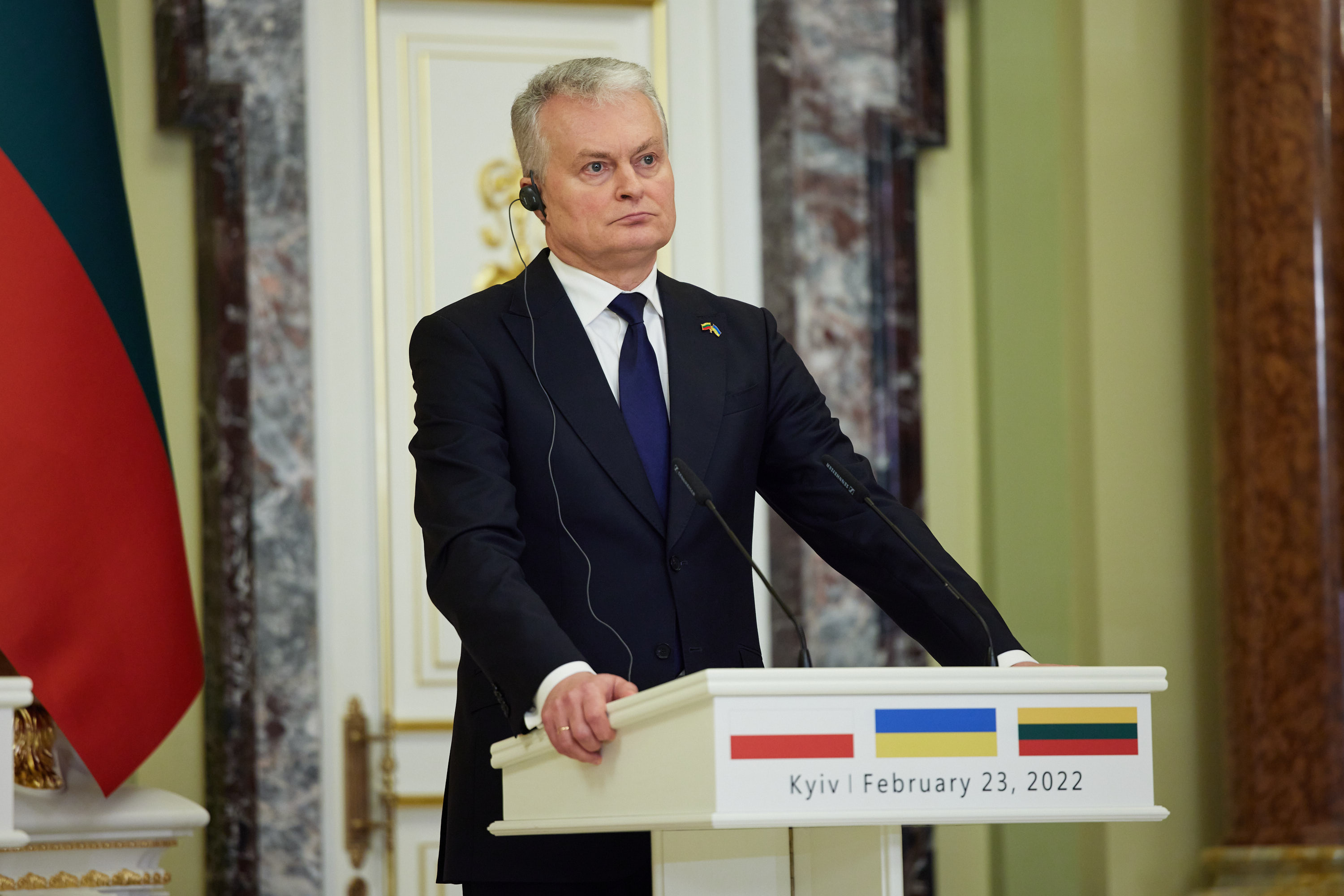
Eight member states of the European Union have called on EU leaders to impose a ban on entry into the Schengen Area for individuals who have served or are currently serving in the Russian military.
According to Censor.NET, this is reported by European Truth.
The initiative was announced by Lithuanian President Gitanas Nausėda. According to him, the leaders of the Baltic states, Poland, Finland, Sweden, Germany, and Romania have appealed to European Council President António Costa and European Commission President Ursula von der Leyen with a corresponding call.
In their statement, they emphasized that allowing former or current members of the Russian Armed Forces into the Schengen Area could pose a serious threat to the security of European Union countries.
"In our view, one of the most serious and persistent risks is the potential entry into the Schengen Area of former and current combatants of the Russian Armed Forces. The entry of such individuals could have serious consequences for the security of all member states," Nausėda stated.
The letter to EU leaders notes that Russian military personnel may be involved in organized crime, extremist movements, or other hostile activities as part of Russia’s hybrid operations against Europe.
The authors of the statement also pointed out that there are more than 180,000 Russian servicemembers who were convicted of criminal offenses and released early in exchange for signing military contracts.
The leaders also noted that the number of Schengen visas issued to Russian citizens has been rising recently. At the same time, freedom of movement within the Schengen Area means that security risks affect all member states, regardless of which country issued the visa.
In a letter to the European Commission, they propose considering the possibility of amending the EU Visa Code or using other instruments to introduce such restrictions.
The initiators are also proposing to discuss this issue at the upcoming European Union leaders' summit in March.


