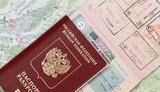
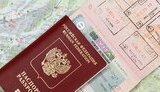
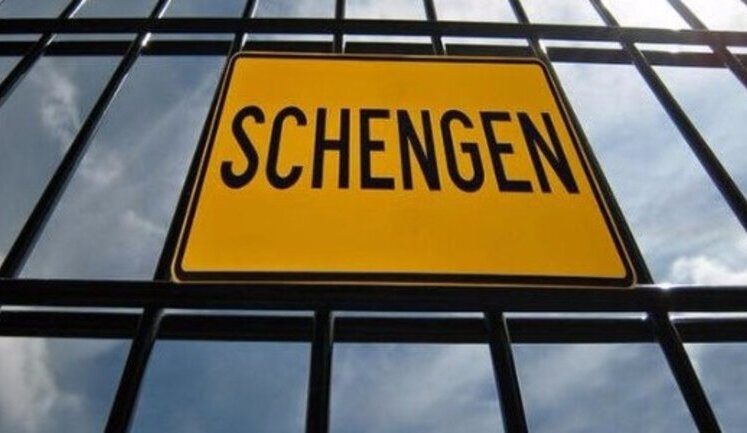
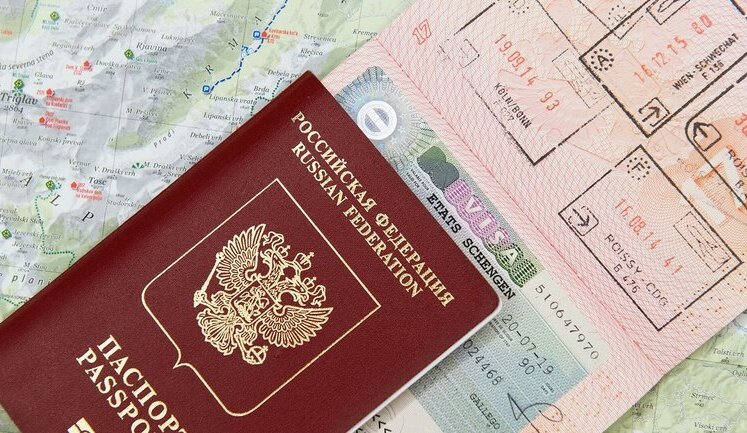
The Schengen area is becoming increasingly inaccessible to Russian citizens due to recent EU constraints. With the EU strategizing to tighten visa rules, Russian nationals face significant obstacles, including the prospect of multiple-entry visas being annulled. This initiative reflects ongoing EU sanctions, aiming to pressure Russia over its actions in the Ukraine conflict. Specifically, the interior ministers of the Baltic States, Northern Europe, and Poland have voiced their stance by advocating for the barring of Schengen access to any Russian citizens linked with military actions in Ukraine. While a complete entry prohibition remains unattainable, these measures highlight the EU's diplomatic strategy to isolate and sanction Russia further.
Why is the EU tightening visa rules for Russian citizens?
The EU is responding to ongoing geopolitical tensions and Russia's military actions in Ukraine by imposing stricter visa rules for Russian nationals. This move is a part of broader sanctions intended to pressure Russia to withdraw from these aggressive actions and highlight international disapproval of their military strategies. By limiting access to the Schengen area, the EU aims to isolate Russia politically and economically.
What specific visa restrictions are being implemented for Russians?
The new restrictions under discussion include the termination of multiple-entry Schengen visas for Russian citizens. This measure aims to control the movement of Russian nationals and is part of a wider EU approach to tighten sanctions against Russia, limiting their access to European nations included in the Schengen zone. These steps are seen as direct responses to Russia's involvement in the Ukrainian conflict.
Are all Russians banned from entering the Schengen area?
Not all Russians are banned from entering the Schengen area. However, significant restrictions are being applied, particularly toward those associated with military actions in Ukraine. While the EU cannot impose a full ban, it is working on limiting access through strict visa measures to pressure the Russian government. EU member states push collectively for sanctions as part of their geopolitical strategy.
What role are the Baltic States playing in these restrictions?
The Baltic States, along with Northern Europe and Poland, are advocating for stringent measures against Russian citizens, especially those with military involvement in Ukraine. At a meeting in Tallinn, interior ministers from these regions emphasized the need to close the Schengen area to specific Russian nationals to heighten pressure on Russia's government and express solidarity against aggression in Ukraine.
Can the European Commission impose a complete ban on Russian entry?
The European Commission is unable to impose a complete ban on Russian citizens entering the Schengen area. However, it can implement severe restrictions, which include limiting visa issuance and revoking existing multiple-entry visas for Russians. These actions are intended to contain movement significantly, addressing security concerns and political tensions linked to Russia's actions in Ukraine.
How are Russian diplomats affected by the new EU visa policies?
Russian diplomats may face new restrictions as part of the European Union's sanction package against Russia. These restrictions are meant to reflect diplomatic disapproval of Russian government's international policies and to limit the presence of diplomats in EU countries, aligning with the broader political strategy to exert pressure on Moscow amidst ongoing conflicts in Ukraine.