



11 EU countries and partners demand European Commission ban Schengen visas for Russians
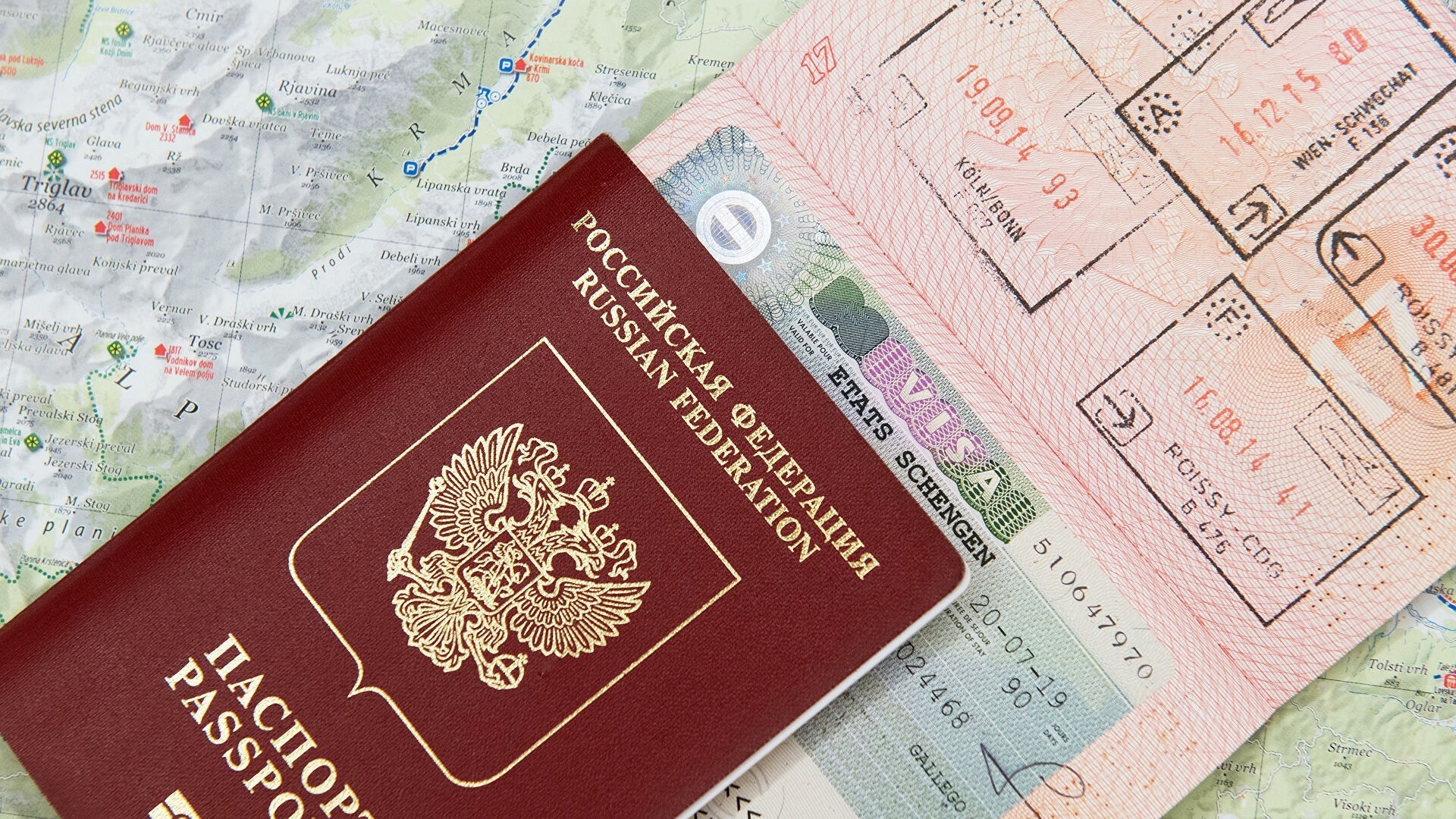
Poland, Sweden, Czechia, Denmark, Estonia, Finland, Latvia, Lithuania, the Netherlands, as well as non-EU members Norway and Iceland, are demanding that the European Commission urgently block the issuance of Schengen visas to Russians.
Censor.NET reports this, citing European Pravda.
Letter from ministers of 11 countries
The ministers explicitly acknowledged that they consider it unacceptable for citizens of the aggressor state to holiday on EU beaches amid mass attacks on Ukrainian civilians and the forced deportation of children.
"The growing number of Russian tourists spending holidays on European beaches and at European resorts is causing deep concern, while missiles and drones continue to strike civilians and civilian infrastructure in Ukraine," reads the letter signed by interior and foreign ministers and obtained by Polish radio station RMF FM.
They do not hide their outrage and deep disappointment over the growing number of visas issued to Russians.
The Schengen Barometer cited in the document shows that in 2025 alone, citizens of the Russian Federation were issued as many as 477,878 Schengen visas for tourism purposes.
Importantly, a significant share of these were multiple-entry visas.
"This runs counter to the Commission’s recommendations, which call for a strict approach to Russian applicants travelling for reasons other than essential ones, and represents a serious flaw in our common policy toward the aggressor state. We consider this extremely alarming," the letter reads.
Visa shopping
The fragmentation of procedures has led to the so-called visa shopping phenomenon, where Russians bypass consulates in Central and Eastern Europe by obtaining passes to the Schengen Area in other parts of the continent. The EU countries are not mentioned directly in the letter, but the Schengen Barometer cited in it shows that the largest number of tourist visas for Russians are currently issued by France, Italy, Spain and Greece, while the Baltic states and Poland issue virtually none.
A diplomat from one of the signatory countries told RMF FM directly that this is also about "fair cost-sharing", since, for example, all shops on the border with Finland went bankrupt after the complete halt in visa issuance to Russians, while Italy and Greece continue to benefit from the presence of Russian tourists. As a result, EU border countries are losing patience.
The inconsistent implementation of visa restrictions has created a deep asymmetry: border states bear the full costs and risks of protecting the external border from the aggressor, while other member states continue to profit from Russian tourists.
Rapid defense mechanism for visa sanctions
Poland wants to create a so-called rapid defense mechanism for visa sanctions. The proposal is based on a mechanism the EU already applies to third countries with visa-free regimes. Warsaw wants an identical tool, but for visa procedures.
"Just as it is already possible to suspend visa-free travel at EU level on the basis of deteriorating relations or a threat posed by a third country, we should also have visa tools at our disposal to restrict visa issuance in response to such threats, while preserving proportionate exceptions, such as humanitarian ones. We expect work on amending the Visa Code in this direction to be recognized as a priority," the Polish diplomat stressed.
The letter from the 11 countries ends with specific legislative demands to the European Commission.
- It calls for amendments to the Visa Code, with the ministers demanding the "introduction of new restrictive and mandatory visa measures in the Visa Code" so that the EU can "respond more effectively to hostile actions by a third country."
- They call for the system to be tightened globally so that "restrictions on the issuance of multiple-entry visas apply to all Russian citizens, regardless of their place of residence."
- The letter also calls for the immediate development of measures in response to the "Estonian initiative of 11 March 2026 on identifying former and currently serving Russian military personnel and banning them from entering the Schengen Area."


