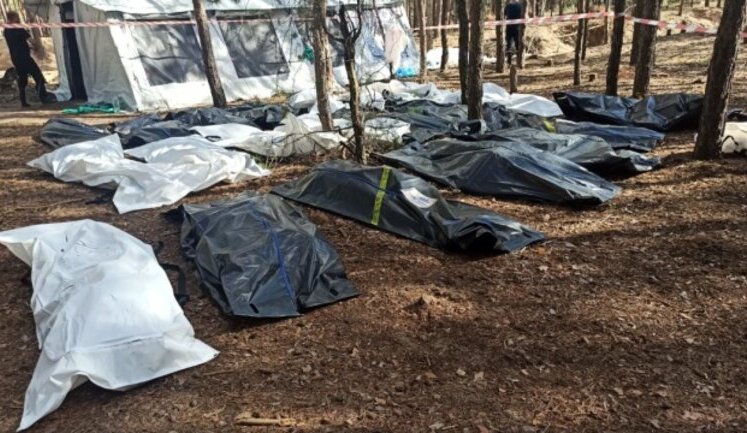
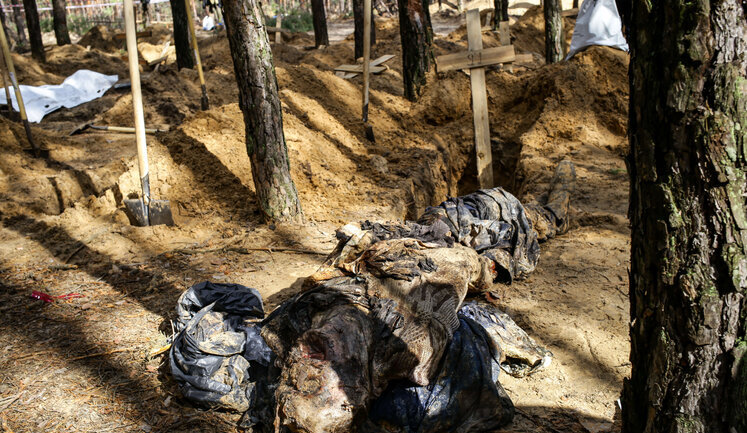
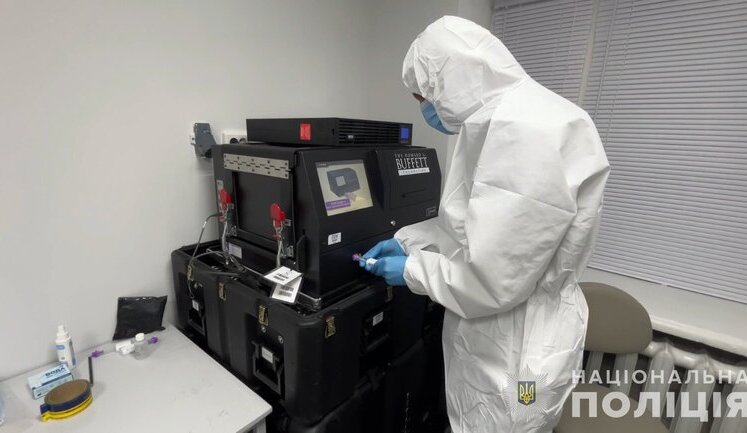
Forensic analysis plays a crucial role in Ukraine in identifying victims and solving complex cases. Recent forensic reports have confirmed causes of death under various circumstances, further underlining the importance of this field. The death of Roman Sopin, a conscript, was clarified through forensic examination as resulting from blunt-force trauma. In Izium, Kharkiv region, a mass grave yielded the identification of 402 people, exemplifying the ongoing challenge of forensic identification in mass casualty events. Additionally, DNA analyses are essential in confirming identities where traditional methods fall short, such as in the tragedies involving Russian strikes in Dnipro and Kharkiv. The detained official in Zakarpattia for forging expert opinions highlights systemic issues within forensic practices. These instances illustrate the complexities and critical nature of forensic examination in Ukraine, impacting legal proceedings and historical record-keeping.
What are the recent findings in forensic analysis in Ukraine?
Recent forensic analysis in Ukraine has seen several critical findings. These include the identification of the causes of death, such as the confirmed blunt-force trauma in the death of conscript Roman Sopin. Furthermore, extensive DNA analysis continues to aid in identifying victims from sites such as the mass graves in Izium, and from recent Russian strikes, showcasing the pivotal role of forensic science in resolving cases and aiding in the legal process.
How is DNA analysis used in forensic examinations in Ukraine?
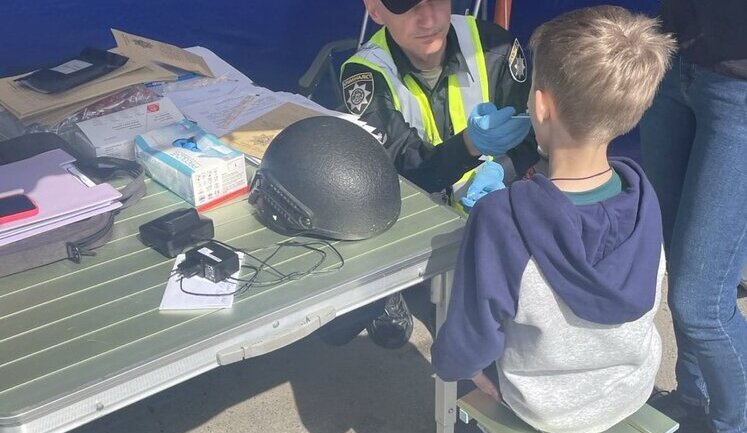
DNA analysis is a vital tool in forensic examinations across Ukraine, notably in identifying bodies that are otherwise unrecognizable. This technique has been paramount in cases where Russian missile strikes have occurred, aiding in identifying victims amidst chaotic scenarios. Moreover, DNA testing had proven instrumental in areas plagued by mass casualties, like mass grave sites, ensuring that families attain closure by recognizing lost loved ones.
What were the challenges faced in identifying bodies in Izium?
Identifying bodies in Izium faced several challenges, primarily due to the state of the remains found in mass graves. Out of numerous bodies, a significant number remained unidentified due to insufficient DNA samples from relatives or the deteriorated condition of the remains. These challenges demonstrate the hurdles forensic experts encounter in mass casualty situations, requiring detailed DNA profiling and international cooperation to resolve these cases.
Why are forensic examinations essential in conflict zones?
Forensic examinations are crucial in conflict zones as they provide indisputable evidence regarding victims' identities and causes of death. In Ukraine, these analyses help document war crimes and violations of human rights, assisting international bodies in investigating and prosecuting these crimes. By reconstructing events through forensic evidence, justice is sought for affected individuals and communities, playing a key role in reconciliation and historical documentation.
What role do forensic experts play in legal proceedings in Ukraine?
Forensic experts in Ukraine engage significantly in legal proceedings by providing scientific evidence essential for proper adjudication. This includes presenting reports on cause of death, identity verification, and evidence collection at crime scenes. Their evaluations are crucial in confirming or refuting claims within trials, as well as in understanding contexts of incidents like those involving corrupted official practices, ensuring that justice is served based on reliable and scientifically-backed findings.
What systemic issues have emerged within forensic practices in Ukraine?
Systemic issues within Ukraine's forensic practices include instances of corruption, such as the case in Zakarpattia, where an official was detained for forging expert opinions. These issues undermine public trust in forensic science and highlight the need for reforms to ensure accountability and integrity. Furthermore, challenges like inadequately resourced forensic departments impact the efficacy and timeliness of forensic work, necessitating investment and oversight to uphold standards.
How has forensic analysis influenced historical records in Ukraine?
Forensic analysis significantly influences historical records in Ukraine by providing empirical data that clarify past events, especially in the context of the ongoing military conflict. Accurate identification of remains and determination of events' circumstances contribute to comprehensive historical documentation. This scientific approach aids in correct historical interpretation and safeguarding against revisionism, preserving truthful narratives for future generations and ensuring historical accountability.