The world in 2025 faces shifting power dynamics, highlighted by the release of various national security strategies. The United States unveiled its updated National Security Strategy, acknowledging that its previous global dominance is waning. Similarly, Norway introduced its own strategy, describing Russia as a persistent threat, focusing on defense and deterrence without engaging in bilateral resets. Meanwhile, Ukraine continues forging strategic economic and defense partnerships with the European Union, emphasizing collective security and industry development. These strategic developments reflect an evolving and uncertain global environment where strategic planning and international collaboration are vital.
What are key points of the United States' new National Security Strategy?
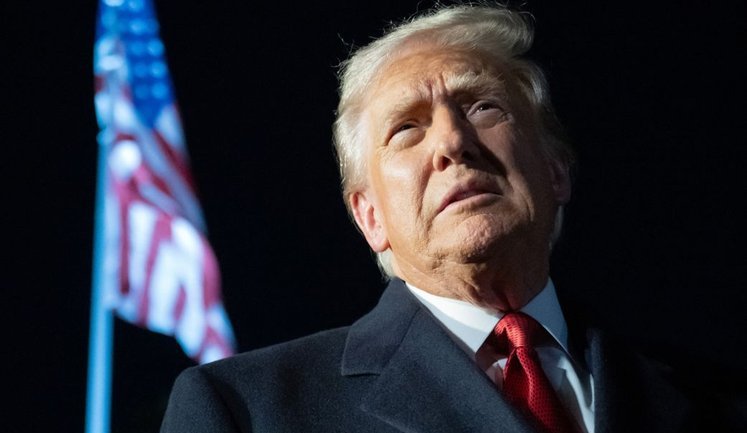
The United States' new National Security Strategy acknowledges the end of its total global order dominance, emphasizing new security tactics and the need for adapting to the current geopolitical climate. This includes working closer with allies and tackling emerging threats through technology and adept diplomacy.
What threat does Norway's National Security Strategy focus on?
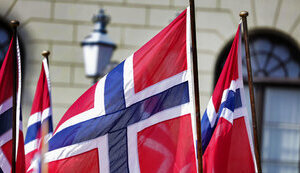
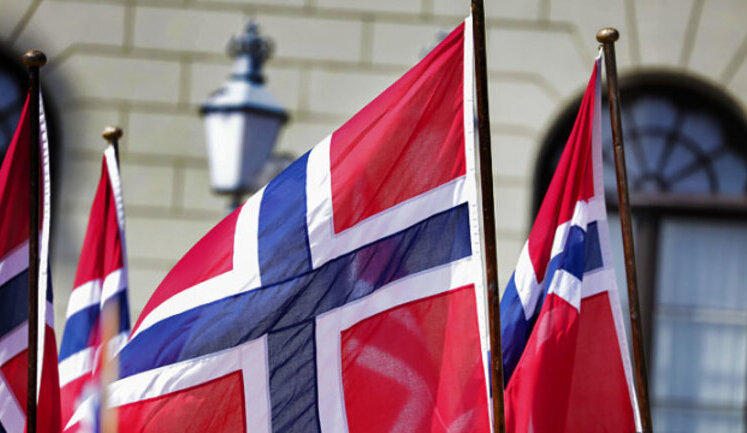
Norway's first-ever National Security Strategy outlines Russia as a constant and long-term threat that needs to be met with deterrence and defense. The strategy indicates that any dialogue or reset with Russia is currently off the table, emphasizing the importance of maintaining strict control measures.
How is Ukraine involved in European defense strategy development?
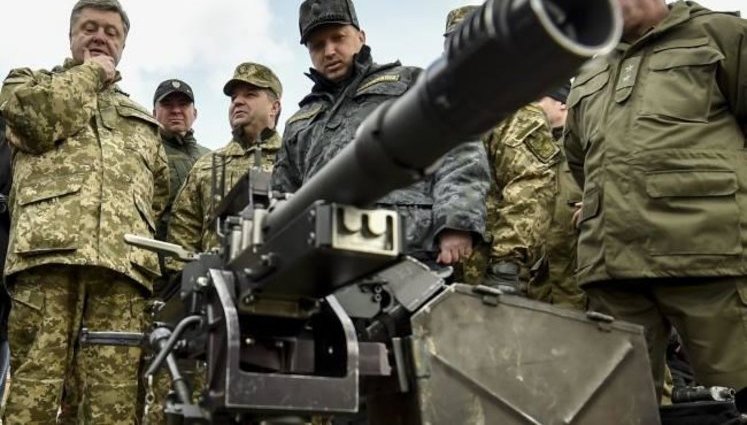
Ukraine actively participates in shaping the European defense industry strategy, as highlighted by recent collaborations with the EU. This engagement aims to bolster collective security efforts and enhance European defense capabilities, underscoring Ukraine's strategic importance in European geopolitics.
What are Ukraine’s strategic goals for war veterans?
Ukraine has approved a strategic policy for war veterans, valid until 2030, focusing on welfare and national security. This strategy aims to improve veterans' livelihoods, integrate them into society, and ensure their contributions to national resilience and security are recognized and supported through comprehensive governmental support plans.
How does the U.S. Helsinki Commission perceive Russia's role in global security?
The U.S. Helsinki Commission views Russia as a persistent threat to global security. They advocate for a policy shift in Washington that reevaluates post-Cold War assumptions about Russia, urging the U.S. to recognize and prepare for ongoing challenges posed by Russian policies and actions on a global scale.