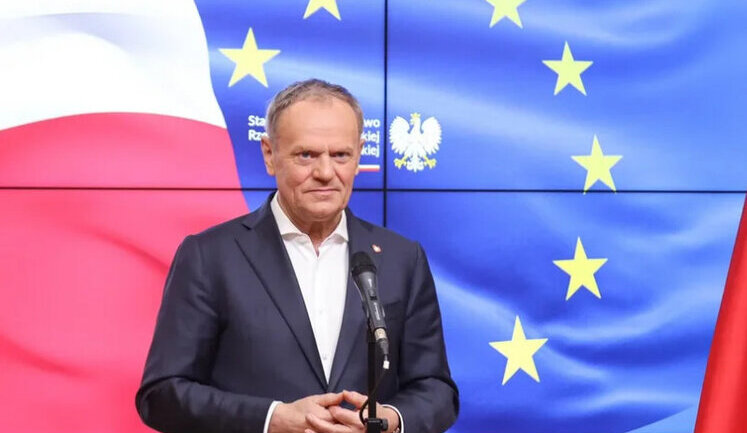
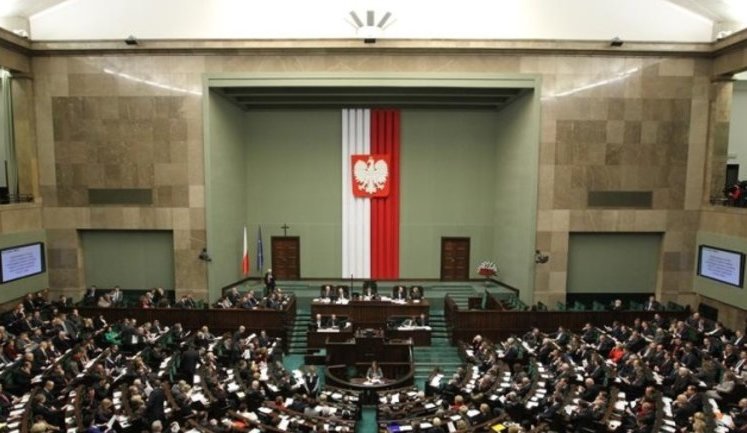
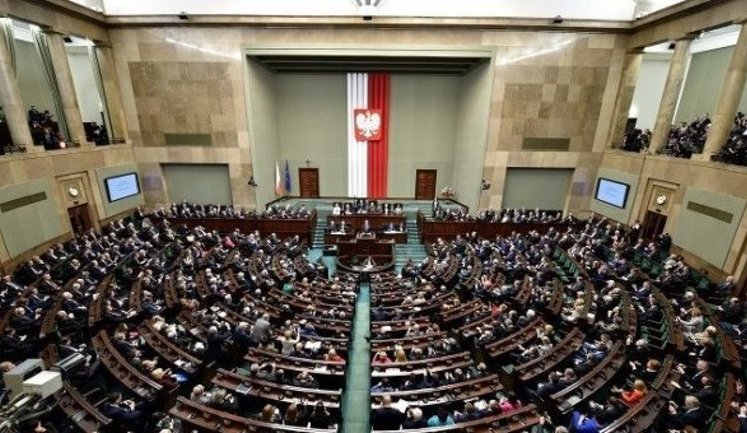
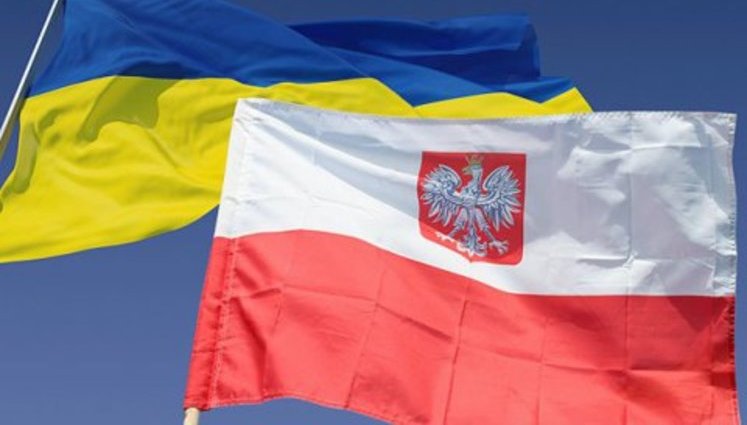
The recent activities of the Sejm highlight its critical role in shaping the geopolitical landscape of Eastern Europe. Notably, the Polish Sejm has affirmed its confidence in Donald Tusk's government and adopted a resolution backing Ukraine, emphasizing Poland's strategic stance within the region. Poland's support for Ukraine extends beyond diplomacy, reflecting in the Sejm's resolution that underscores its commitment to Ukraine's sovereignty. The Lithuanian Seimas and Latvian Saeima join in solidarity, urging Ukraine's inclusion in NATO, further illustrating regional alliances. These legislative actions reflect the Sejm's influence on regional stability and international relations, advocating for justice against Russian aggression and historical recognition.
What recent actions have the Polish Sejm taken regarding Ukraine?
The Polish Sejm has actively demonstrated its support for Ukraine by adopting resolutions that back Ukraine's sovereignty and call for international measures against Russian aggression. The Sejm's actions affirm Poland's commitment to its Eastern European ally while also supporting Ukraine's aspirations for greater interaction with NATO. Additionally, support within the Parliament for Tusk's government reflects a broader geopolitical strategy.
How has the Lithuanian Seimas positioned itself on Ukrainian matters?
The Lithuanian Seimas has taken a firm stand by recognizing Russian aggression in Ukraine as genocide, reflecting its strong support for Ukraine. The new Speaker, Skvernelis, has emphasized cooperation and support for Ukraine in dialogues with the Ukrainian government, further affirming Lithuania's staunch allyship and proactive engagement in addressing regional issues, particularly in relation to NATO discussions.
What is the significance of Latvia's Saeima statement on NATO and Ukraine?
Latvia's Saeima made a pivotal move by endorsing a statement advocating for Ukraine's swift invitation to NATO. This signifies Latvia's supportive stance towards Ukraine's integration into Western defense structures amidst ongoing regional tensions. The Saeima's decision underscores the collective Baltic support for Ukraine, amplifying NATO's strategic discussions and illustrating the unified front of European allies in fortifying their defenses against geopolitical threats.
How has the Polish Sejm addressed historical issues involving Ukraine?
The Polish Sejm has revisited historical issues, particularly through the contentious decision to declare July 11 as a National Day of Remembrance for the Volhynia genocide. This resolution highlights the enduring complexities in Polish-Ukrainian relations, as it acknowledges past atrocities while encouraging dialogue on historical blunders. The session has stirred mixed reactions, reflecting ongoing challenges in reconciling historical narratives while promoting cooperative international relations with Ukraine.
What was the response of Ukrainian leadership to Poland's legislative moves?
Ukrainian leadership has expressed both concern and diplomatic engagement in response to Poland's legislative actions. President Poroshenko, particularly, has voiced apprehension over Poland's sanctions on 'Bandera ideology', stressing the necessity for historical dialogue over legislative prohibitions. This situation highlights Ukraine's nuanced approach towards advocating for its historical perspective while strengthening its strategic partnership with Poland amid shifting legislative landscapes.