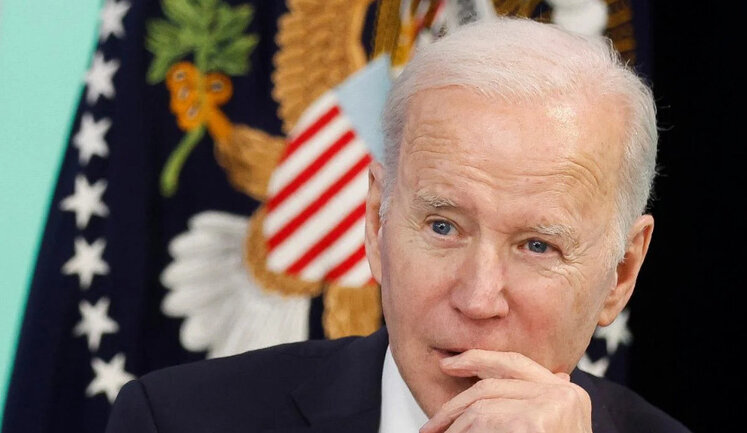
Competition plays a pivotal role in shaping global political dynamics. President Joe Biden emphasized that while the United States will compete with China, it remains committed to avoiding conflicts. This approach reflects a broader strategy where competition is seen as a driving force for innovation and progress, but is carefully managed to prevent escalation. In Ukraine, competition among manufacturers for military procurement was highlighted by Oleksandr Turchynov, who noted that it could ease the national budget burden. These strategies underline the dual nature of competition in promoting efficiency and stability while requiring careful diplomatic maneuvering to ensure it doesn't spiral into conflict.
What is the USA’s approach to competition with China?
The United States, under President Joe Biden, approaches competition with China by actively engaging in economic and technological arenas while ensuring that such competition does not escalate into direct conflict. This strategy is designed to maintain balance and peace while fostering advancement in various sectors.
How can competition affect military procurement in Ukraine?
Competition in military procurement can significantly impact Ukraine by encouraging local manufacturers to innovate and offer competitive prices. This not only reduces financial pressures on the government budget but also bolsters domestic production capabilities and enhances national security through the sustained development of advanced military technologies.
Why is competition important in defense strategies?
Competition is crucial in defense strategies because it fosters innovation and cost-efficiency. It drives manufacturers and countries to develop better technologies and more efficient methodologies, ensuring that military forces are equipped with state-of-the-art capabilities while optimizing expenditure and resource allocation.
How does competition influence international relations?
Competition influences international relations by creating a dynamic where countries strive for leadership in various sectors, including technology, economy, and military. It can lead to cooperative or adversarial relationships, depending on how nations manage their competitive interactions, balancing advancements with diplomatic engagements to sustain peace.
What are the risks of competition turning into conflict?
The risks of competition evolving into conflict often center around miscommunications and aggressive moves that might be perceived as threats. Economic and military competitions are particularly sensitive, and without careful diplomatic efforts, they can lead to heightened tensions and potential escalations, disrupting international stability and peace.