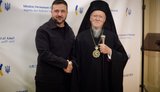
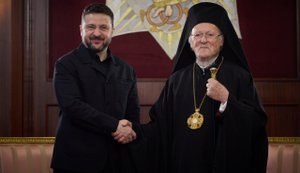
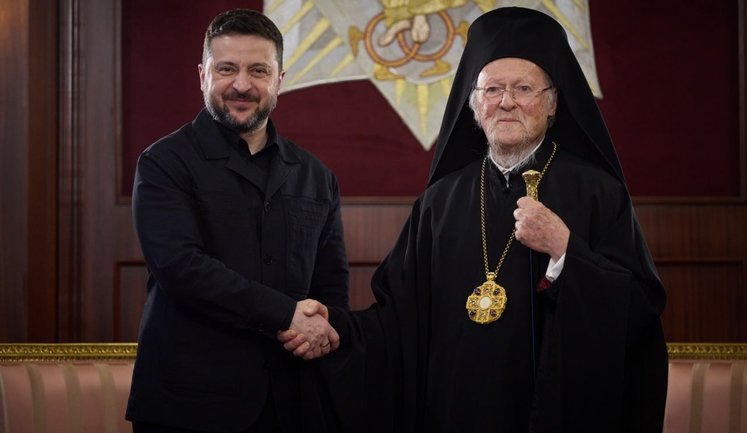
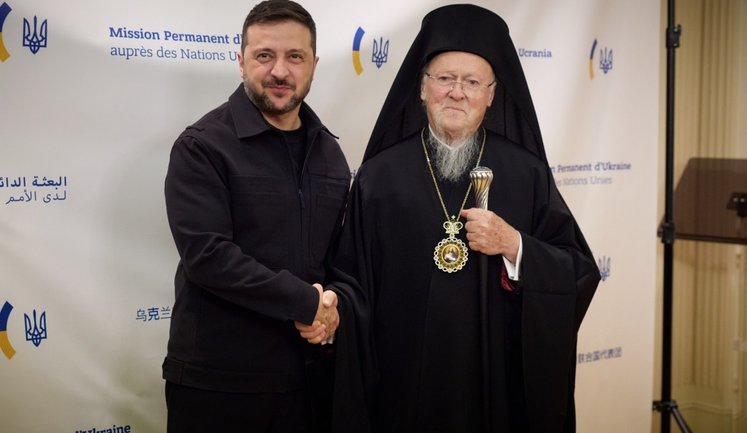
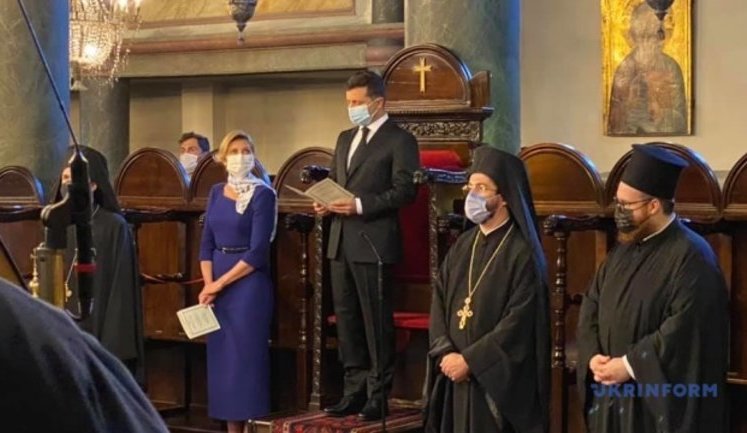
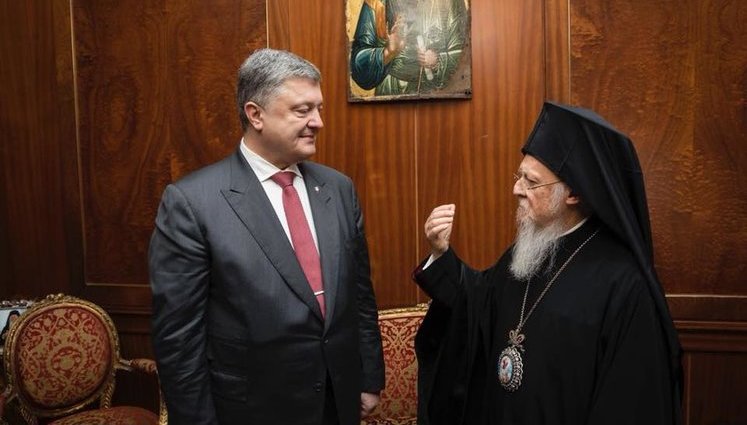
President Volodymyr Zelenskyy has been actively engaging with Ecumenical Patriarch Bartholomew to fortify Ukraine's spiritual independence and contribute to global peace efforts. Their recent interactions, including meetings in New York and telephone conversations, underscore the significance of religious and cultural diplomacy in addressing Ukraine's challenges. Zelenskyy emphasized Ukraine's pursuit of peace and justice in 2025 and discussed the role of spiritual autonomy in reinforcing national identity. The Ecumenical Patriarchate's participation in global peace initiatives further solidifies the collaboration between Ukraine and the Orthodox Church in striving for harmonious relations worldwide.
What are the main topics discussed by Zelenskyy and Patriarch Bartholomew?
President Zelenskyy and Patriarch Bartholomew have focused on Ukraine's spiritual independence, global peace efforts, and the significance of religious diplomacy in addressing ongoing conflicts. Their discussions have highlighted the importance of spiritual autonomy as part of Ukraine's national identity and the broader role of the Orthodox Church in global peace initiatives.
How does Patriarch Bartholomew's position influence Ukraine's religious landscape?
Ecumenical Patriarch Bartholomew plays a pivotal role in Ukraine's religious landscape by supporting its spiritual independence and recognizing its right to have an Autocephalous Orthodox Church. This bolsters Ukraine's national identity and strengthens its cultural and spiritual autonomy, reducing outside influence on its religious affairs.
Why is Ukraine's spiritual independence significant for global peace?
Ukraine's spiritual independence signifies its cultural sovereignty and the ability to manage its religious affairs without external control. This autonomy supports global peace by promoting dialogue and cooperation among nations and religious entities. It also empowers the Orthodox Church's role in contributing to harmonious international relations, fostering an environment of mutual respect and understanding.
What was the outcome of the Global Peace Summit involving the Ecumenical Patriarchate?
The Global Peace Summit resulted in a joint communiqué that the Ecumenical Patriarchate endorsed, reflecting its commitment to peace-building efforts. The Patriarchate's active participation underscores its dedication to fostering global harmony and highlights the religious community's influence in promoting peaceful resolutions to international conflicts.
How does Zelenskyy's relationship with Patriarch Bartholomew impact Ukraine's international standing?
Zelenskyy's relationship with Patriarch Bartholomew positively impacts Ukraine's international standing by showcasing its commitment to spiritual autonomy and global peace. This alliance demonstrates Ukraine's strategic use of religious diplomacy to enhance its cultural identity and engage in meaningful cooperation with global religious leaders, further strengthening its position on the world stage.
What role does the Ecumenical Patriarchate play in Ukraine's peace process?
The Ecumenical Patriarchate plays a supportive role in Ukraine's peace process by advocating for spiritual independence and participating in peace-building initiatives. Its endorsement of Ukraine's autocephaly and involvement in global peace efforts demonstrate the Patriarchate's commitment to promoting stability and harmony within Ukraine and beyond through religious diplomacy.