In the Dnipropetrovsk region, a lieutenant-colonel attempted to sell an armoured vehicle and explosives, marking a significant incident in arms trafficking. Meanwhile, Ukrainian forces showcase resilience amidst combat, with armored vehicles like the "Novator" surviving drone strikes and continuing operations. The Defense Ministry's approval of 1,678 new weapons models underscores Ukraine's strategic advances. Numerous successful drone strikes by Ukrainian forces disrupt Russian logistics, striking tanks, artillery systems, and more while Ukrainian drones effectively target Russian military equipment, fortifying defense tactics. The scope of destruction, including over 150,000 Russian vehicles, highlights the ongoing intensity of arms-related operations. Reports of innovative weaponry and domestically manufactured armaments reflect Ukraine's focus on operational efficiency in 2026, contributing to a fortified defense posture.
How did law enforcement prevent arms sales in the Dnipropetrovsk region?
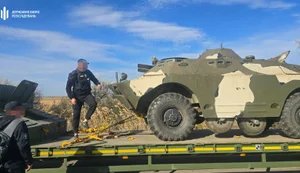
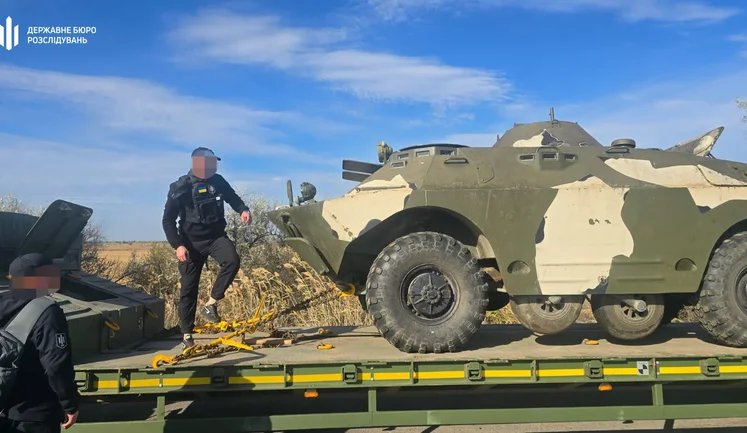
Law enforcement intervened in an attempted sale of an armoured vehicle and explosives. The State Bureau of Investigation stopped the transaction involving a lieutenant-colonel planning to sell a BRDM-2 vehicle and 300 kg of TNT explosives for $8,000. Two suspects were apprehended during this operation, reflecting a significant crackdown on arms trafficking in Ukraine.
What impact did Ukrainian drones have on Russian military logistics?
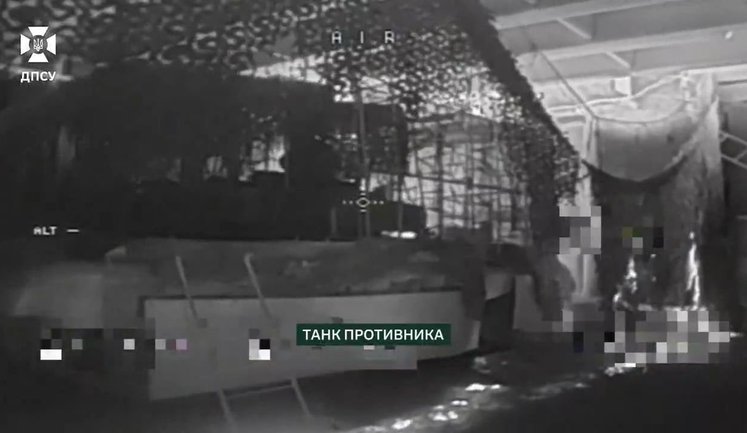
Ukrainian drones significantly disrupted Russian military logistics by carrying out targeted strikes deep into enemy lines. These operations targeted crucial supply routes, destroying artillery, tanks, and logistical columns. Such strategic strikes hinder Russian military capacity and exemplify the evolving combat strategies employed by Ukrainian forces, effectively weakening enemy positions through precise armed drone operations.
What advancements in military equipment were approved by Ukraine's Defense Ministry in 2026?
In 2026, Ukraine's Defense Ministry approved an array of advanced military equipment, codifying 1,678 new models of weapons and vehicles. A notable 91.2% of these are Ukrainian-made, highlighting a focus on domestic manufacturing. These advancements range from innovative UAVs to upgraded armored vehicles, ensuring enhanced operational capabilities for the Defense Forces, and reflecting a significant investment in self-reliant defense technologies strengthening Ukraine's military arsenal.
How effective have Ukraine's defense forces been against enemy artillery?
Ukraine's Defense Forces have shown remarkable efficacy against enemy artillery, highlighted by the destruction of over 2,000 Russian artillery systems in just one month. Their tactical prowess is demonstrated through coordinated strikes and the use of advanced drones, cutting-edge technologies, and strategic planning to neutralize artillery threats. This efficiency helps maintain defensive lines, showcasing competent military strategies in countering artillery threats in ongoing conflicts.
What was the significance of the "Novator" vehicle incident?
The "Novator" armoured vehicle showcased resilience and reliability in wartime conditions by continuing operations after being struck by a Russian FPV drone. Despite catching fire during the attack, it travelled 20 kilometers, safely transporting its crew to safety. This incident exemplifies the durability of Ukrainian military vehicles and underscores the critical role of armoured protection in ensuring troop safety during enemy engagements.