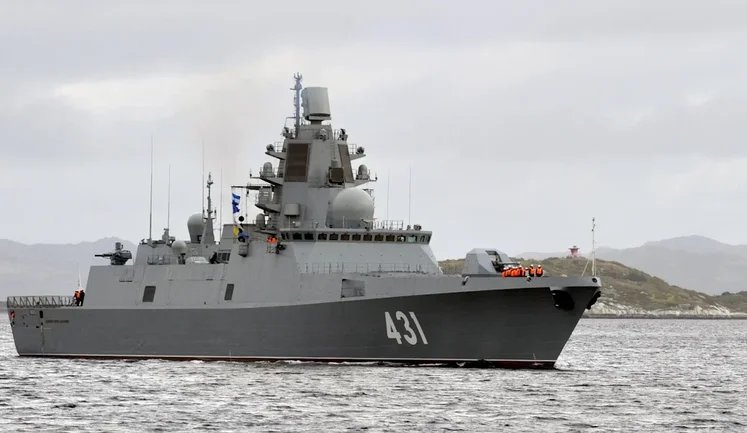
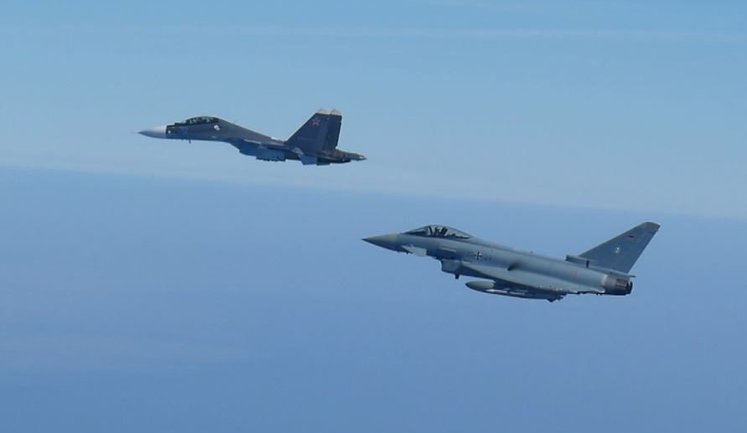
The Baltic Sea region has become a critical hotspot for military maneuvers amid escalating tensions between NATO and Russia. The U.S. confirmed the deployment of 40 Marines to support NATO’s Baltic Sentry mission. In parallel, Russia has stationed several warships, including the frigate "Admiral Kasatonov" from the Northern Fleet, increasing military presence. Polish Air Force jets have been actively intercepting Russian reconnaissance missions, notably a Russian Il-20 intercepted over international waters without a flight plan. The strategic significance of the Baltic Sea continues to grow, making it a focal point for international security and geopolitical strategies. These events underscore the region's evolving dynamics as a key battleground for international power plays.
Why is the Baltic Sea significant for NATO and Russia?
The Baltic Sea is strategically significant due to its location connecting multiple countries including NATO members and Russia. It serves as a critical zone for maritime security and power projection. NATO's presence aims to assure Baltic states' security, while Russia sees it as a critical area to showcase its military capabilities and safeguard its perceived interests.
What recent military operations have occurred in the Baltic Sea region?
Recently, the U.S. deployed 40 Marines for NATO's Baltic Sentry mission. Concurrently, Russian warships, including the frigate "Admiral Kasatonov," have joined military exercises. Various interceptions by Polish fighter jets of Russian aircraft underscore ongoing aerial tensions, highlighting the heightened military activity in this crucial maritime corridor.
How have Polish forces responded to Russian flights over the Baltic Sea?
Polish Air Force has frequently intercepted Russian aircraft over the Baltic Sea, including Su-30 fighter jets and Il-20 reconnaissance planes flying without flight plans. These actions are part of Poland's efforts to monitor and secure its airspace against unauthorized incursions, ensuring regional safety amid rising military engagements.
What concerns have arisen from recent Russian naval activity in the Baltic Sea?
Recent Russian naval deployments, such as the frigate "Admiral Kasatonov," have heightened regional tensions. These movements are seen as a demonstration of military strength, raising concerns among neighboring Baltic states and NATO allies about potential provocations and the broader implications for regional security and political stability.
How does NATO plan to address security challenges in the Baltic Sea?
NATO continues to bolster its regional presence and conducts joint military exercises to enhance defense readiness and assure member states. Deployments like the U.S. Marines to the Baltic Sentry mission are part of an ongoing strategy to deter aggression and maintain a security balance, ensuring a prompt response to any threats in the Baltic Sea area.