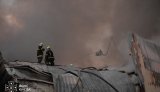
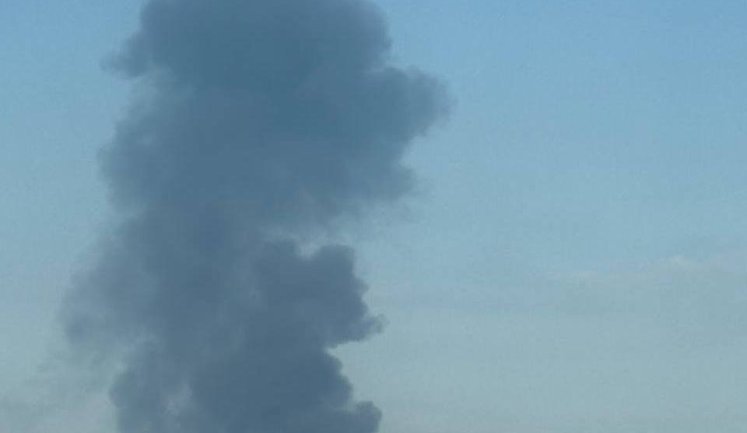
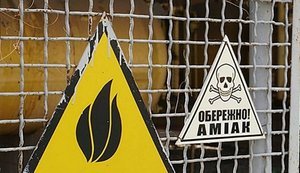
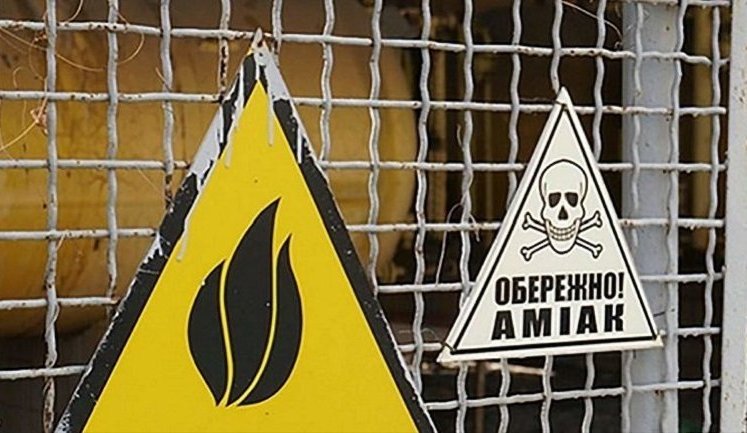
Air quality in Kyiv and surrounding regions has significantly deteriorated several times over recent months, largely due to Russian military actions. Negative impacts have been particularly notable following shelling and attacks, which have introduced pollutants like ammonia, sulfur dioxide, and elevated particulate matter into the atmosphere. Key areas affected include Obolon, Sviatoshyn, and the Brovary District. Such conditions pose serious health risks to residents, prompting advice to limit outdoor activities. Ongoing monitoring and reporting ensure timely responses to these changes in air quality. The aftermath not only affects air quality but disrupts air monitoring systems, complicating efforts to manage pollution effectively.
Why has air quality deteriorated in Kyiv recently?
Recent military activities in the region, particularly shelling and attacks by Russian forces, have significantly affected air quality in Kyiv. The introduction of pollutants such as ammonia, sulfur dioxide, and increased particulate matter due to fires and damage to infrastructure is the main reason for the sharp decline in air quality.
Which areas in Kyiv are most affected by pollution?
Areas such as Obolon, Sviatoshyn, and the Brovary District have been most affected by air pollution in Kyiv. These regions have experienced elevated levels of harmful pollutants in the air due to sustained military attacks, notably during instances of fires and infrastructure damage.
What pollutants have been detected in Kyiv's air?
Recent reports have identified elevated levels of pollutants such as ammonia, sulfur dioxide, and fine particulate matter in Kyiv's air. Military conflicts, particularly those involving shelling, have contributed significantly to these pollution incidents, creating severe health risks for residents.
How is air quality monitored in Kyiv and its regions?
Air quality in Kyiv is monitored using fixed reference stations that measure pollutant levels in real-time. However, recent power outages and military activities have occasionally disrupted these monitoring efforts, affecting the accurate reporting and handling of air quality data.
What measures are advised for residents during poor air quality events?
During periods of poor air quality, residents in affected areas are advised to limit outdoor activities, especially prolonged exposure. Staying hydrated, using air purifiers indoors, and closely following local government advisories can help mitigate health impacts during these periods.