Recent incidents involving students in Ukraine highlight complex socio-political challenges. In Ternopil, a student misguidedly set cars ablaze, fearing Russian drone attacks, revealing the psychological warfare employed by Russian operatives. Concurrently, in occupied territories, Russia's allure of "easy money" is conning students into joining its military, promising education alongside service. Ukrainian legislative changes further complicate the landscape, with debates on limiting student deferments from mobilization. The enduring impact on students, whether through direct recruitment, false narratives, or legal amendments, showcases their critical role in Ukraine's ongoing conflicts.
Why did a student set fire to cars in Ternopil?
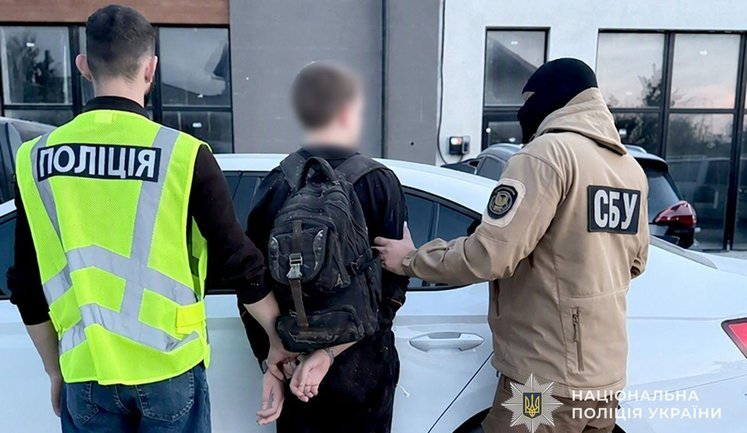
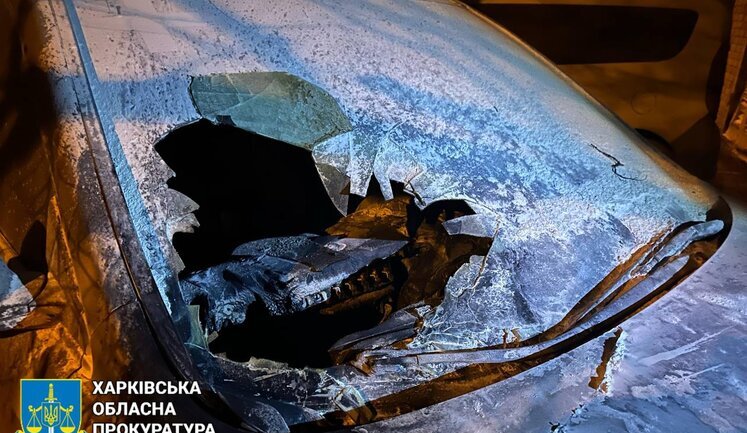
A 19-year-old student, influenced by Russian intelligence, believed the cars contained drone-guiding transmitters aimed at protecting Ternopil from attacks. This incident underscores the psychological tactics used in hybrid warfare, where misinformation targets vulnerable individuals to carry out acts of sabotage under deceptive pretenses.
How are students being recruited in occupied territories?
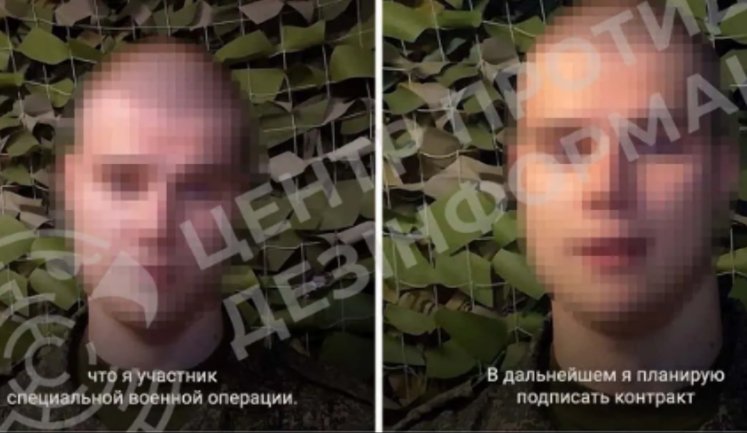
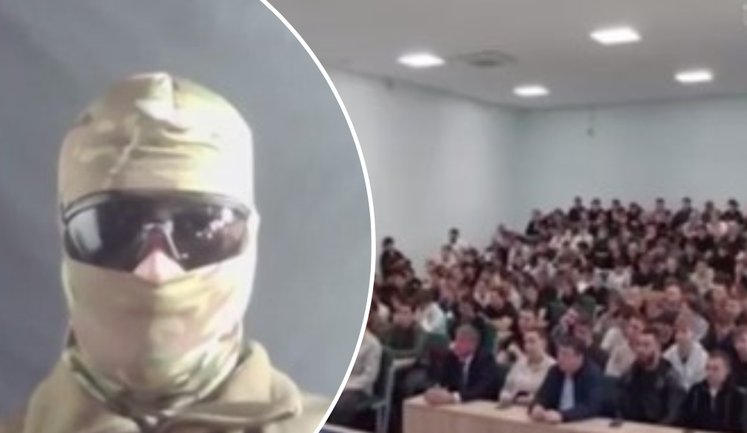
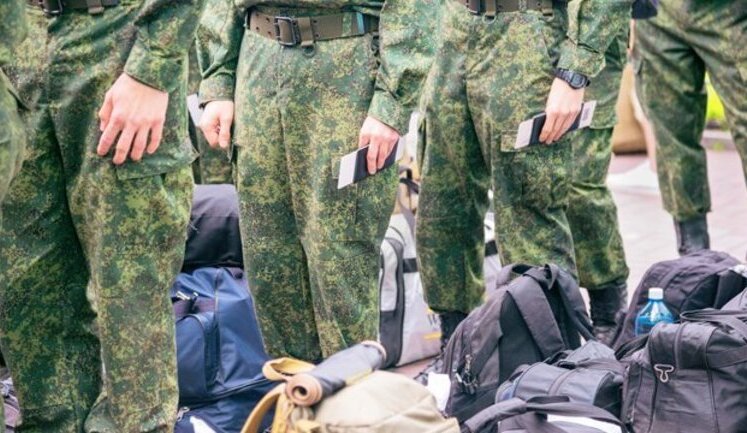
In Russia-occupied regions, students are lured into military service with promises of financial gain and educational continuation. Propaganda shapes military service as a lucrative and honorable choice, enticing the youth under false pretenses, exploiting economic hardships, and ideological narratives to bolster Russia’s military ranks.
What legislative changes are affecting student mobilization?
Ukraine is considering amendments to mobilization laws, particularly targeting students over 25. These changes would remove their deferment rights, compelling them to face potential conscription, reflecting Ukraine's need to balance educational rights with national defense requirements amid ongoing conflicts.
What safety concerns have arisen in student accommodations?
In Zhytomyr, a fire in a dormitory raised alarms about student safety. Such incidents highlight the risks related to infrastructure and emergency preparedness in educational institutions, emphasizing the need for improved safety protocols to protect students from potential hazards and ensure their well-being in communal living spaces.
How is military training being integrated into education?
Military training in Ukraine is becoming part of educational curriculums for third-year students, preparing them for potential service. This initiative reflects Ukraine's strategy to integrate defense education into civilian life, ensuring its populace is equipped with basic military skills amid a climate of heightened security needs and geopolitical tensions.