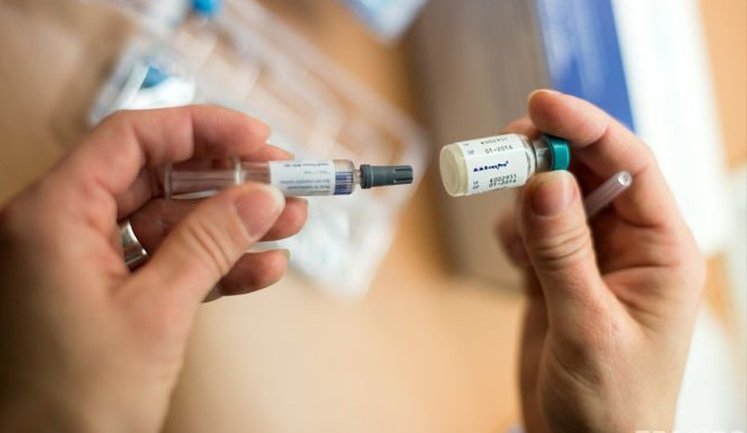
The United States has made a significant contribution to Ukraine's healthcare sector by donating 16.5 tons of oncological drugs to Ukrainian hospitals. This initiative, as reported by the Ministry of Health, aims to support cancer treatment facilities and improve access to vital medications for patients in need. The donation reflects ongoing international efforts to assist Ukraine during challenging times. This act of solidarity underscores the critical role of global partnerships in enhancing healthcare capabilities and ensuring patients receive necessary care. Oncology remains a major focus, with increasing attention on providing resources to improve survival and recovery rates among cancer patients. The donation signifies a pivotal step in the collaboration between nations to address cancer treatment in crisis regions.
What is the significance of the USA's donation of oncological drugs to Ukraine?
The USA's donation of 16.5 tons of oncological drugs to Ukrainian hospitals is highly significant as it addresses critical shortages in life-saving medications, enhances the ability to treat cancer patients, and symbolizes international support during a time of crisis. This initiative highlights the importance of international aid in strengthening healthcare infrastructure and providing essential medical support to communities in need.
How does the donation impact cancer treatment facilities in Ukrainian hospitals?
The donation positively impacts cancer treatment facilities in Ukrainian hospitals by supplying essential oncological drugs, thus allowing healthcare professionals to continue providing necessary treatments to cancer patients. This influx of medication helps bridge gaps in resources, ensuring uninterrupted care and potentially improving patient outcomes. It also demonstrates the value of international partnerships in healthcare delivery.
What role does international aid play in enhancing healthcare in Ukraine?
International aid plays a crucial role in enhancing healthcare in Ukraine by providing much-needed medical supplies, equipment, and expertise. These contributions help bolster the healthcare system's capacity to respond to crises, maintain treatment standards, and improve patient care. Aid from international partners also fosters collaboration and knowledge exchange, aiding long-term healthcare development.
In what ways can global partnerships support oncology in crisis regions?
Global partnerships can support oncology in crisis regions by facilitating the exchange of medical resources, expertise, and technology. These partnerships provide access to essential drugs, improved diagnostic tools, and training for medical staff. By working together, countries can enhance treatment capabilities, innovate cancer care delivery, and ultimately improve patient survival and recovery in areas affected by crises.
Why is it important to address cancer treatment needs in regions facing crises?
Addressing cancer treatment needs in regions facing crises is important to ensure that vulnerable populations continue to receive life-saving care despite challenges. Crises often strain healthcare systems, leading to shortages of medication and resources. Focusing on oncology under these circumstances helps mitigate the risk of increased mortality rates, supports social stability, and prioritizes essential healthcare amidst wider recovery efforts.