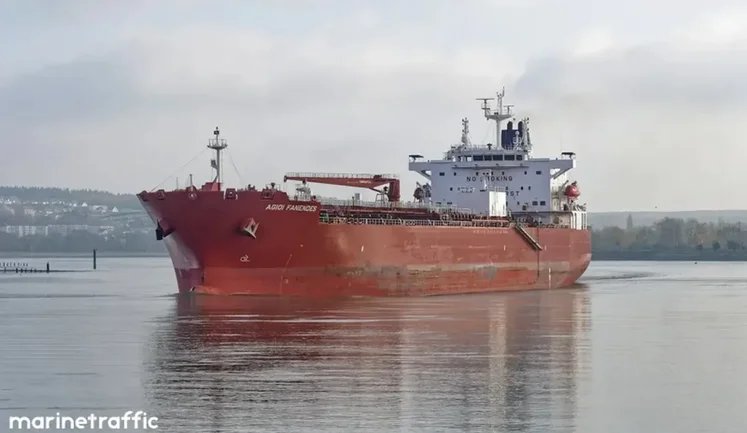
The diesel fuel market is undergoing significant changes due to various geopolitical events and strategic decisions. A notable incident involved the Agioi Fanendes tanker, which, equipped with a Russian diesel engine, turned back en route to the USA, altering its course approximately 740 km from New York. This highlights the volatile nature of diesel shipments involving Russian fuels. Furthermore, Russia’s recent resumption of diesel exports to Turkey and Brazil showcases a return to significant trade flows following an export ban that had been influenced by U.S. negotiations. This dynamic is further compounded by President Trump's remarks on how strikes on Russian oil refineries have impacted the diesel market, causing fluctuations in availability and pricing. Moreover, the ongoing Middle East conflict and resultant panic buying led to daily fuel price hikes, notably increasing gasoline and diesel prices at major filling stations. These developments emphasize the intricate ties between geopolitical decisions and the global diesel fuel supply chain.
What caused the Agioi Fanendes to turn back from the USA?
The Agioi Fanendes tanker, carrying Russian diesel, unexpectedly changed course approximately 740 km from New York. The specific reasons for this diversion are not detailed, but it reflects the complexities in the international transport of Russian diesel amid shifting geopolitical landscapes.
Why did Russia resume diesel exports to Turkey and Brazil?
Russia resumed diesel exports to Turkey and Brazil following the lifting of a U.S.-mediated export ban. This resumption to its two largest buyers indicates a strategic shift in Russia's fuel export policies and highlights the importance of international negotiations in shaping such decisions.
How have strikes on Russian refineries affected the market?
President Trump noted that strikes on Russian oil refineries have significantly impacted the diesel fuel market, leading to shortages and influencing global pricing. These disruptions highlight the sensitivity of fuel markets to production and supply chain disturbances.
How has the war in the Middle East influenced fuel prices?
The war in the Middle East has led to panic buying, causing major filling station chains to increase fuel prices by an average of 5 hryvnias per liter. This situation exemplifies how regional conflicts can directly affect global fuel pricing and supply dynamics.
What is the condition for Slovakia to supply diesel to Ukraine?
Slovakia's Prime Minister Robert Fico stated that diesel supplies to Ukraine would cease if the transit of Russian Lukoil oil is not resumed by Kyiv. This condition underscores the interdependencies within European energy supply agreements and the geopolitical strategies impacting fuel distribution.